How to stop wasting 30% of your curing budget
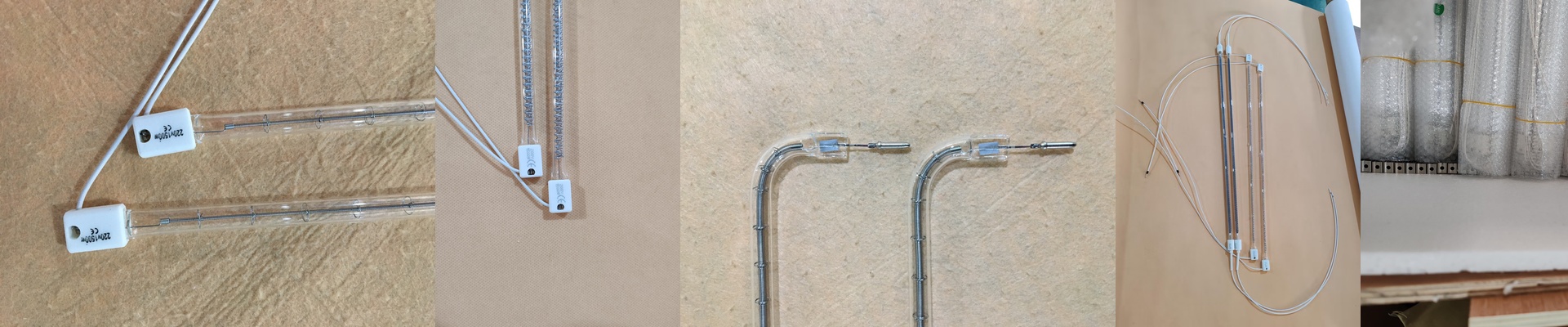
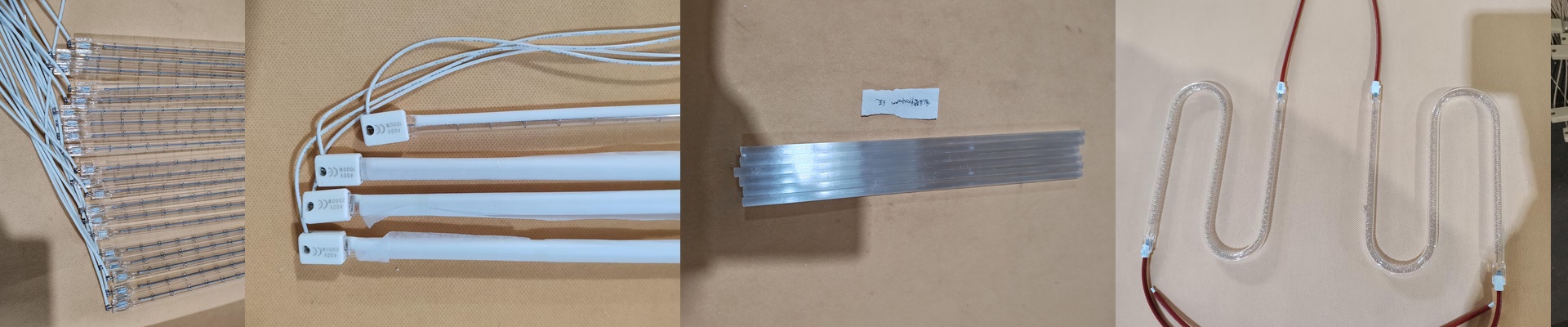
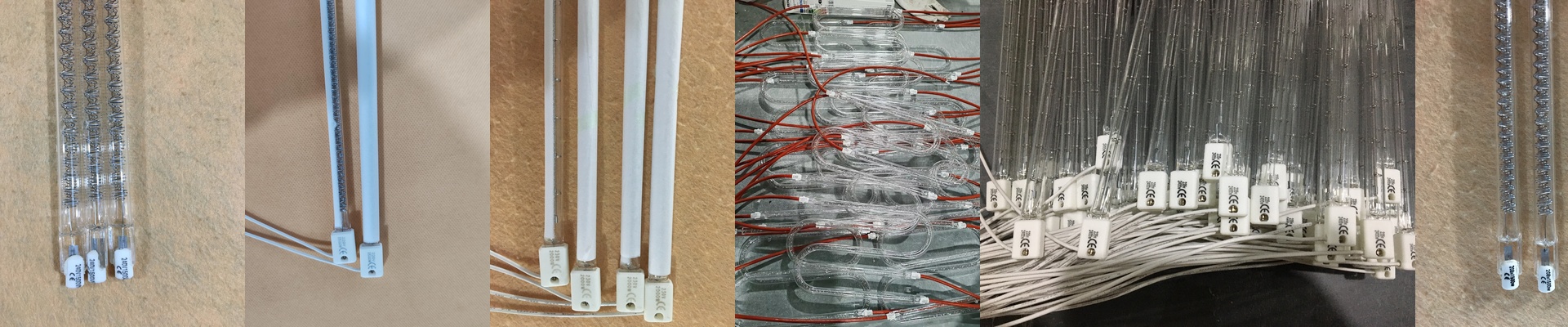
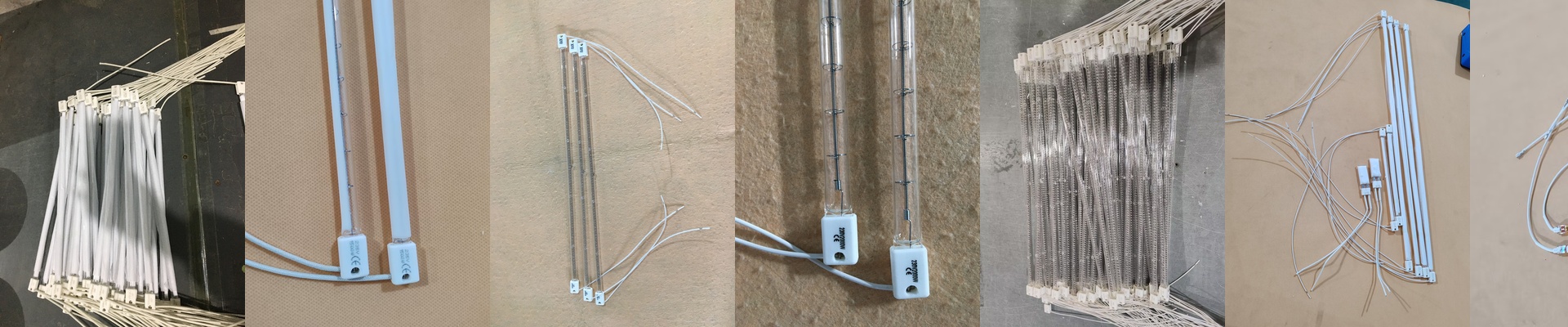
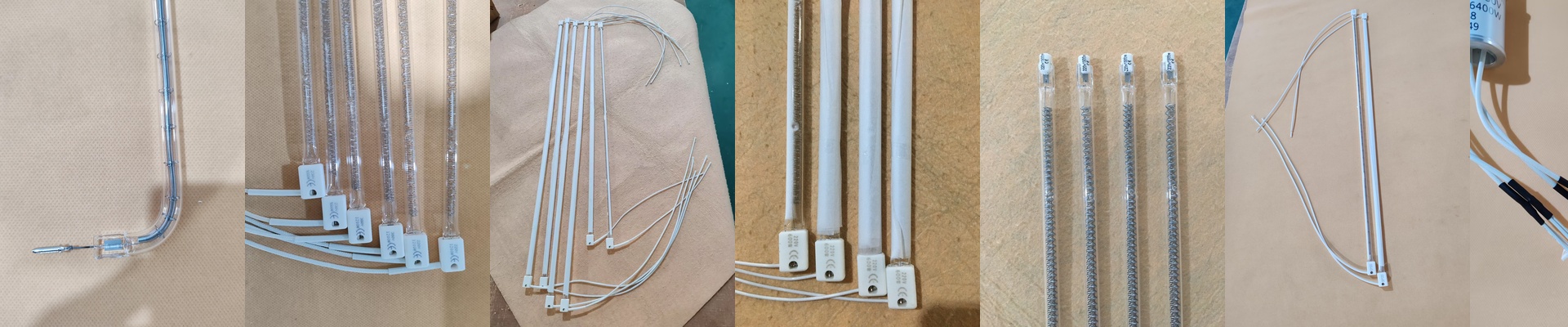
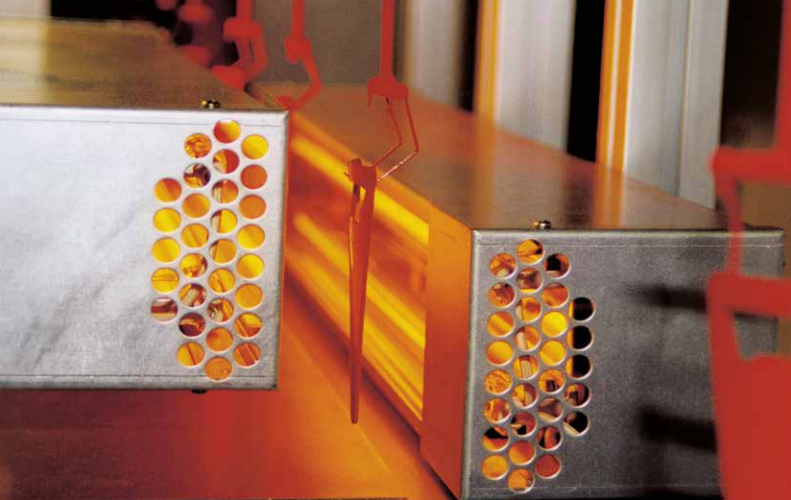
When people build a new metal curing line, they usually obsess over two things: how much floor space they have and how fast the conveyor can move. The heating elements? Those usually get an afterthought. But here’s the problem. If you just go with standard heating because it’s the “default” choice, you’re essentially signing up for a higher electric bill for the next ten years. The problem with heating air Think about a standard convection oven. You’re spending a ton of energy heating up the air, and then hoping that air heats up your part. It’s slow. It’s wasteful. High-efficiency IR lamps work differently. They don’t mess around with the air; they hit the coating directly with electromagnetic radiation. The difference in the morning is huge. Instead of standing around for two hours waiting for a massive oven to warm up, IR lamps hit peak power in seconds. You just flip a switch and get to work. No more paying to heat a giant metal box of air while your team waits for the temperature to climb. Saving space (and sanity) When you plan for IR from the start, you can actually shrink the curing tunnel. Since the heat hits harder and faster, the parts cure quicker. That means you get a smaller footprint on your shop floor and you don’t have to spend as much on insulation. Plus, your exhaust systems don’t have to work nearly as hard. It just makes the whole layout feel leaner. The “Gotchas” Now, it’s not all magic. You have to get the setup right. These high-wattage arrays are picky about power. If your voltage is jumping all over the place, you’re going to burn through lamps way faster than you should. And for the love of everything, don’t skimp on the cooling fans. These things get incredibly hot. If you don’t vent the housings and reflectors properly, the heat soak will literally warp your mounting brackets. At the end of the day, switching to IR isn’t just about buying a fancy bulb. It’s about how much energy it takes to finish one single part. When you stop wasting time and air, that 30% in savings actually starts to show up in your bank account.