Stop Treating Your Oven Like a Giant Toaster
Most shops look at curing ovens as big heat boxes. You throw the part in, crank the dial, and hope for the best. But here’s the thing: in powder coating, that’s a gamble. The difference between a finish that flakes off in a year and one that stays rock-solid for a decade isn’t about how much heat you can pump into the room. It’s about how that heat actually gets into the coating.
Getting the heat right
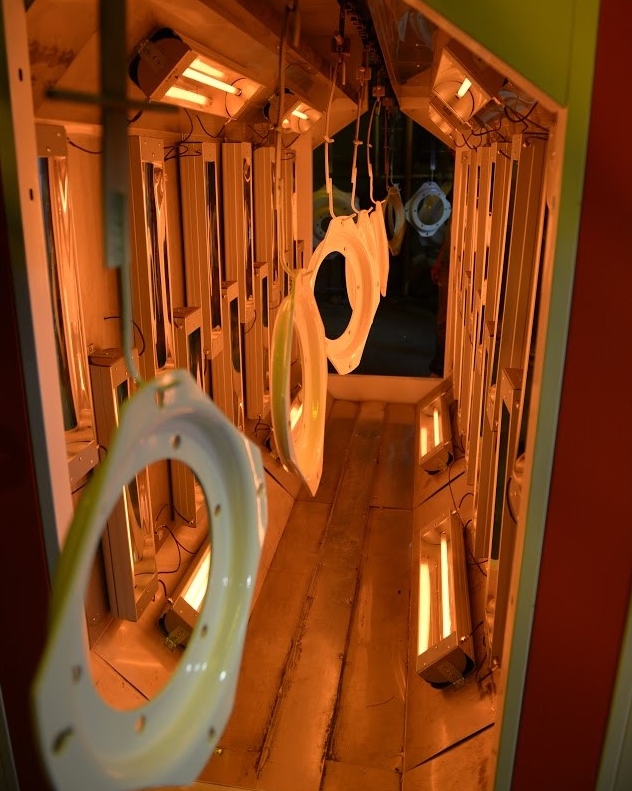
If you blast the surface too hard, you end up with “orange peel” or those ugly scorched edges. On the flip side, if the heat is too low, the powder never truly bonds. We focus on the ramp-up and the soak. We want the heat to hit the part evenly, no matter the shape. Whether you’re dealing with a thin sheet of metal that wants to warp or a heavy casting that takes forever to warm up, the goal is the same:uniformity. You want the core of the part to be just as cured as the surface.
The science (without the boring part)
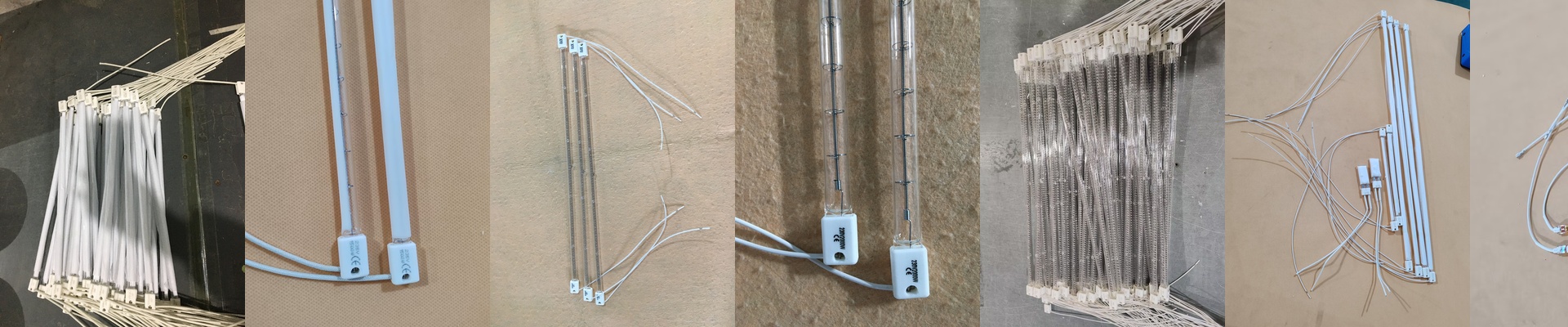
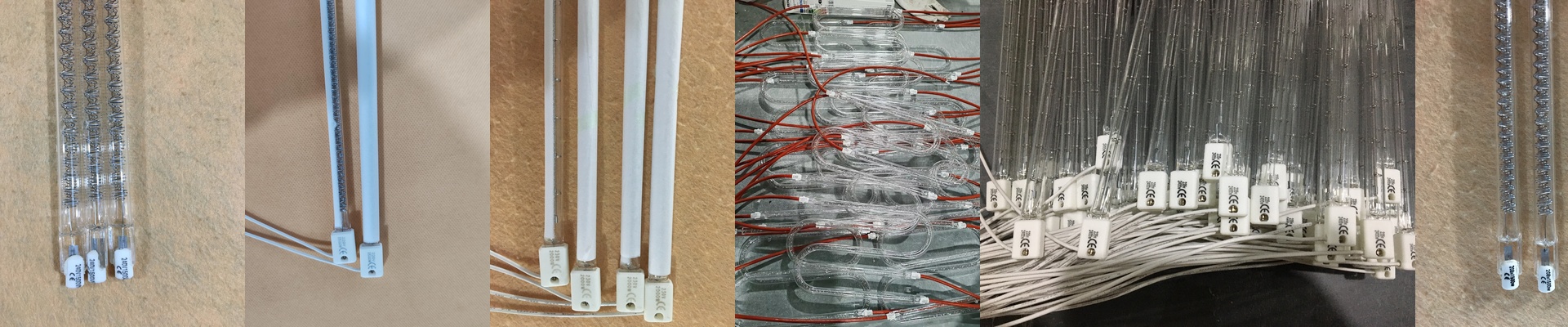
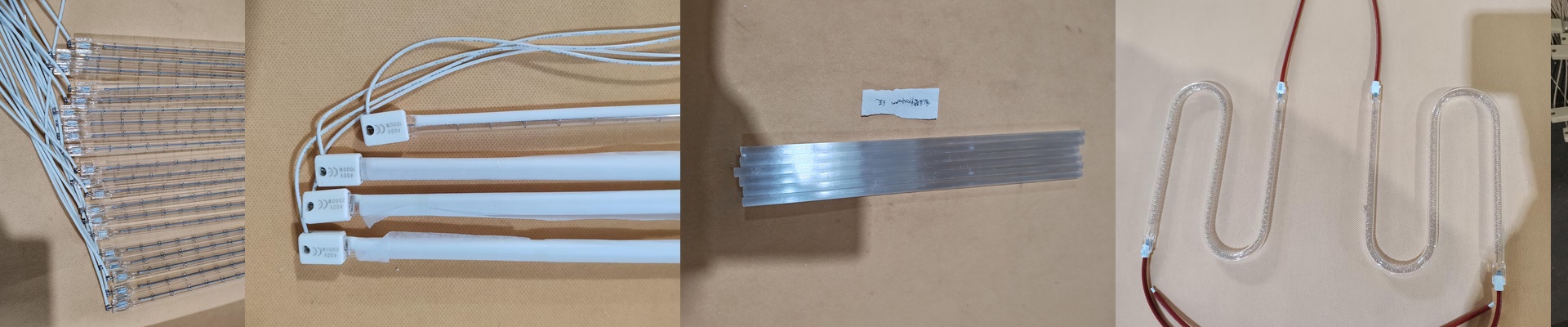
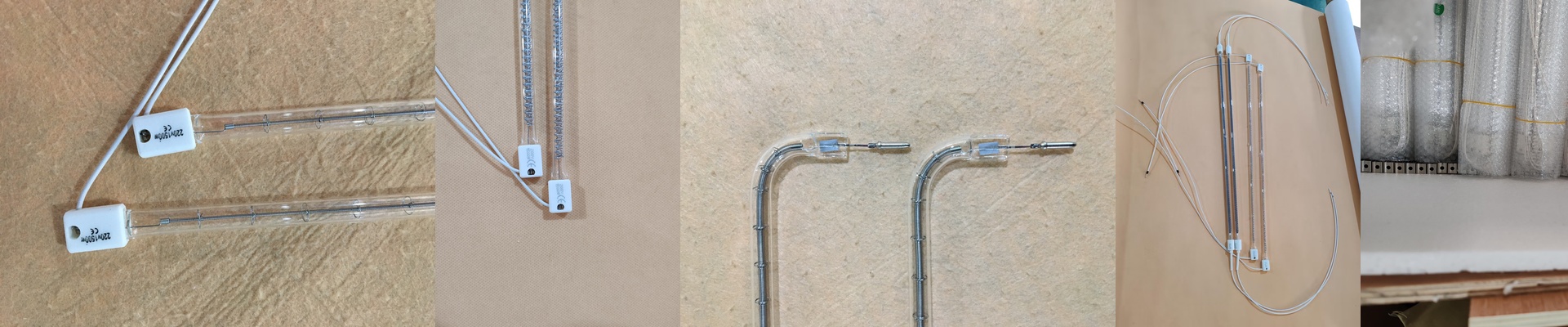
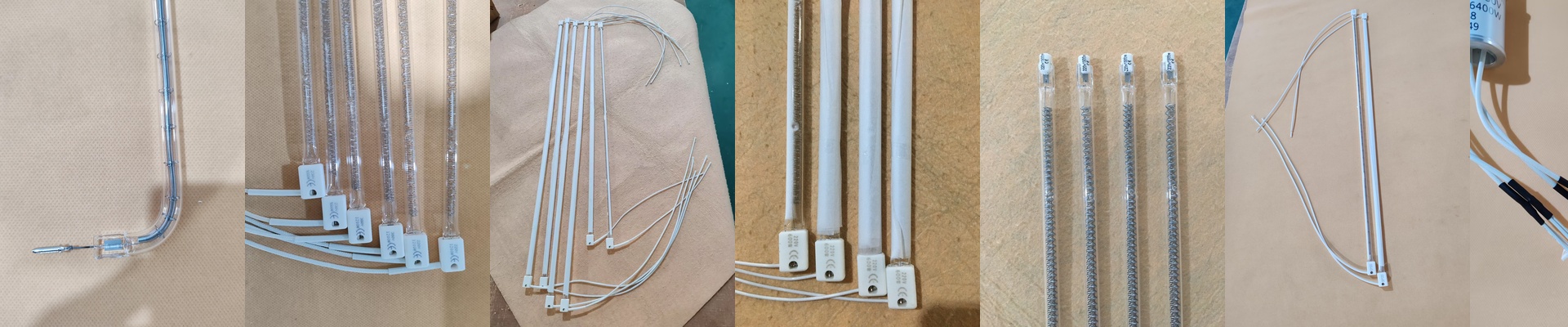
We spend a lot of time thinking about energy transfer. Instead of using generic heaters, we match the infrared wavelength to the specific powder you’re using. Why? Because it stops the energy from bouncing off the part and wasting power. It’s faster. It’s cleaner. We calculate the exact wattage you need for your specific line speed so you aren’t paying to heat the air in the room.
The catch
Now, you can’t just drop a high-precision heating array into a drafty, leaky shop and expect it to work. It just won’t. If your oven seals are shot, your energy bills will skyrocket and your finishes will start looking inconsistent. You have to keep the environment tight. It’s a balancing act between the heat coming out and the air staying put. We build these systems to take a beating. They’re designed for the grit and grime of a real factory floor, but they still hold those tight tolerances. At the end of the day, it’s not about just “getting the part hot”—it’s about knowing exactly what’s happening every single time you hit the start button.