Introduction
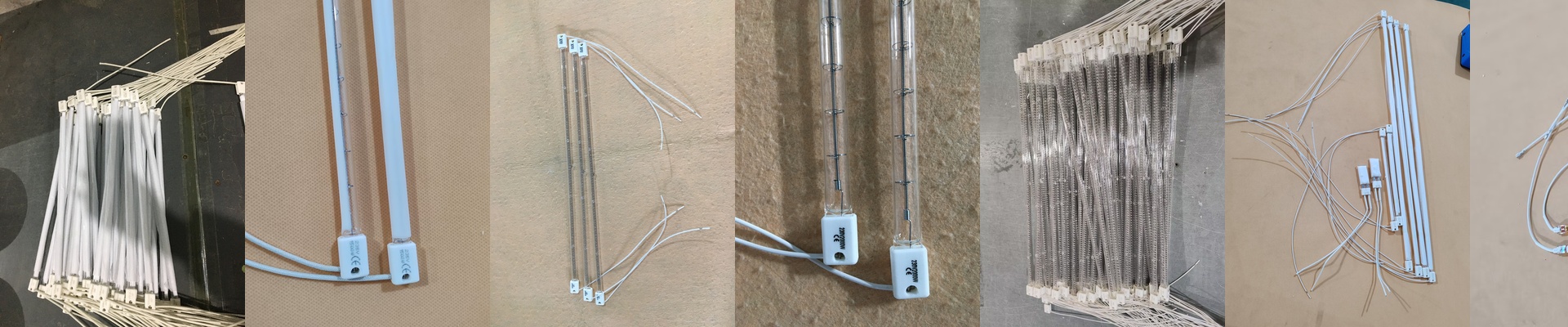
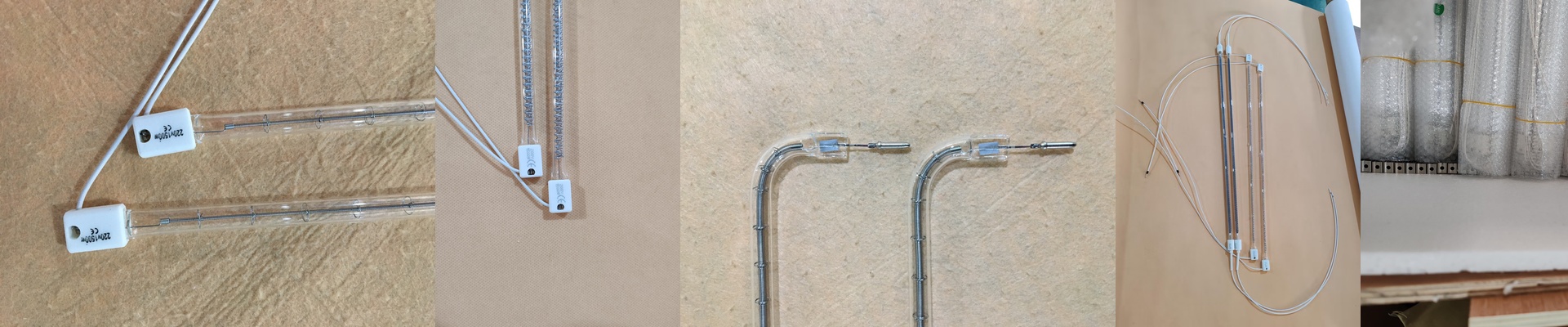
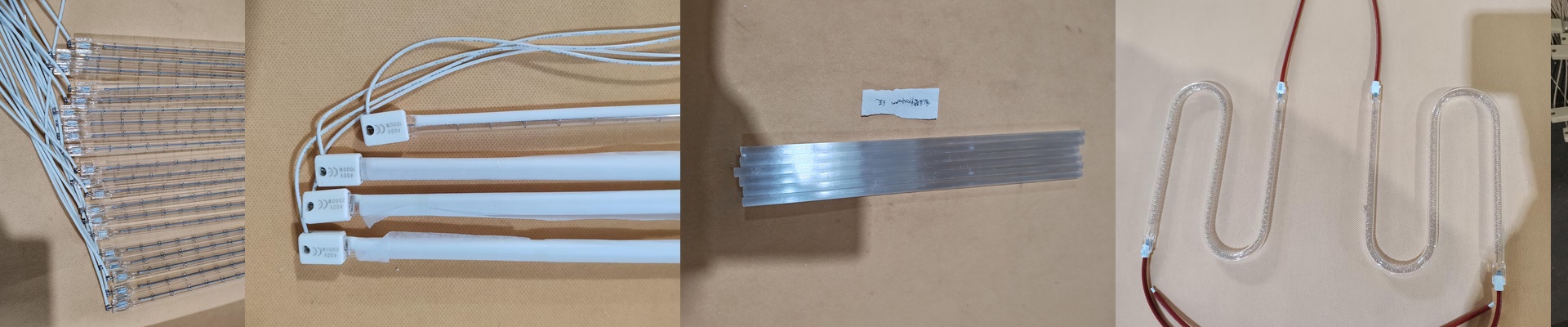
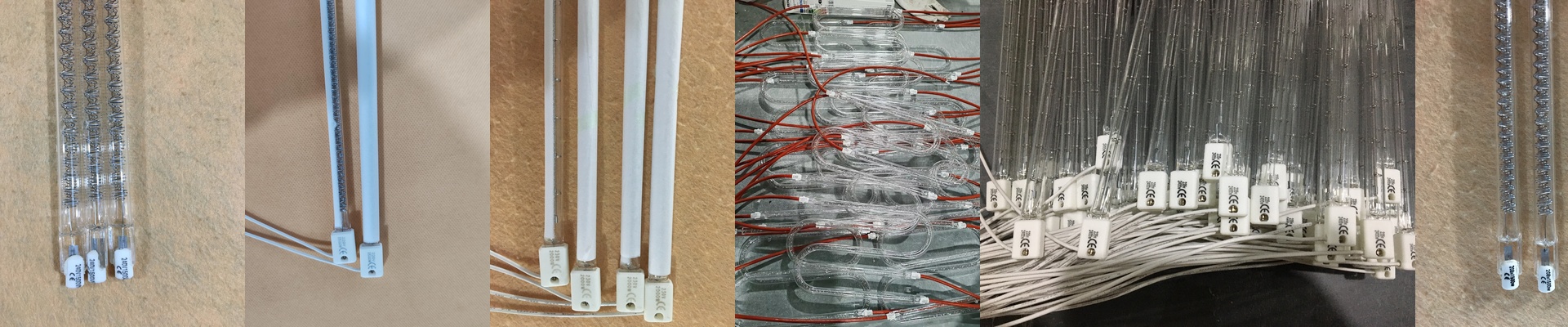
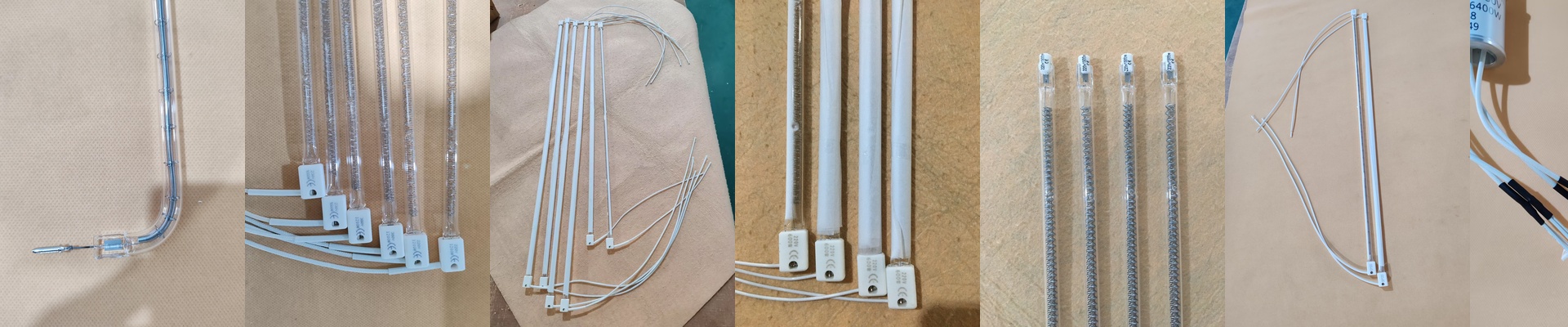
Picture this: you’re elbow-deep in a tight spot, trying to make something work, and you need heat. Fast. And not just any heat—something focused, something that gets the job done without taking up a ton of space. That’s exactly why we built the 400W halogen heat tube. It’s a compact powerhouse, an infrared heater that punches way above its weight. If you’re an engineer wrestling with machinery, retrofitting old equipment, or building process ovens, this little tube is your secret weapon. It fits where you need it, and it responds instantly. No fuss, no wasted space—just pure, focused heat.
The Power Behind the Heat
We went with 400W for a reason. It gives you a serious amount of heat without overloading your control circuits. The result? Lightning-fast warm-up times. Seriously, the temperature climbs quickly, which means your cycles stay consistent and your downtime shrinks. The tube shape is no accident, either. It concentrates all that energy down a narrow path, so you get a predictable, controlled heating zone. And when it comes to installation? Just match the voltage and current to your existing driver, and you’re good to go. It’s a straight-up, drop-in solution.
What It’s Built From
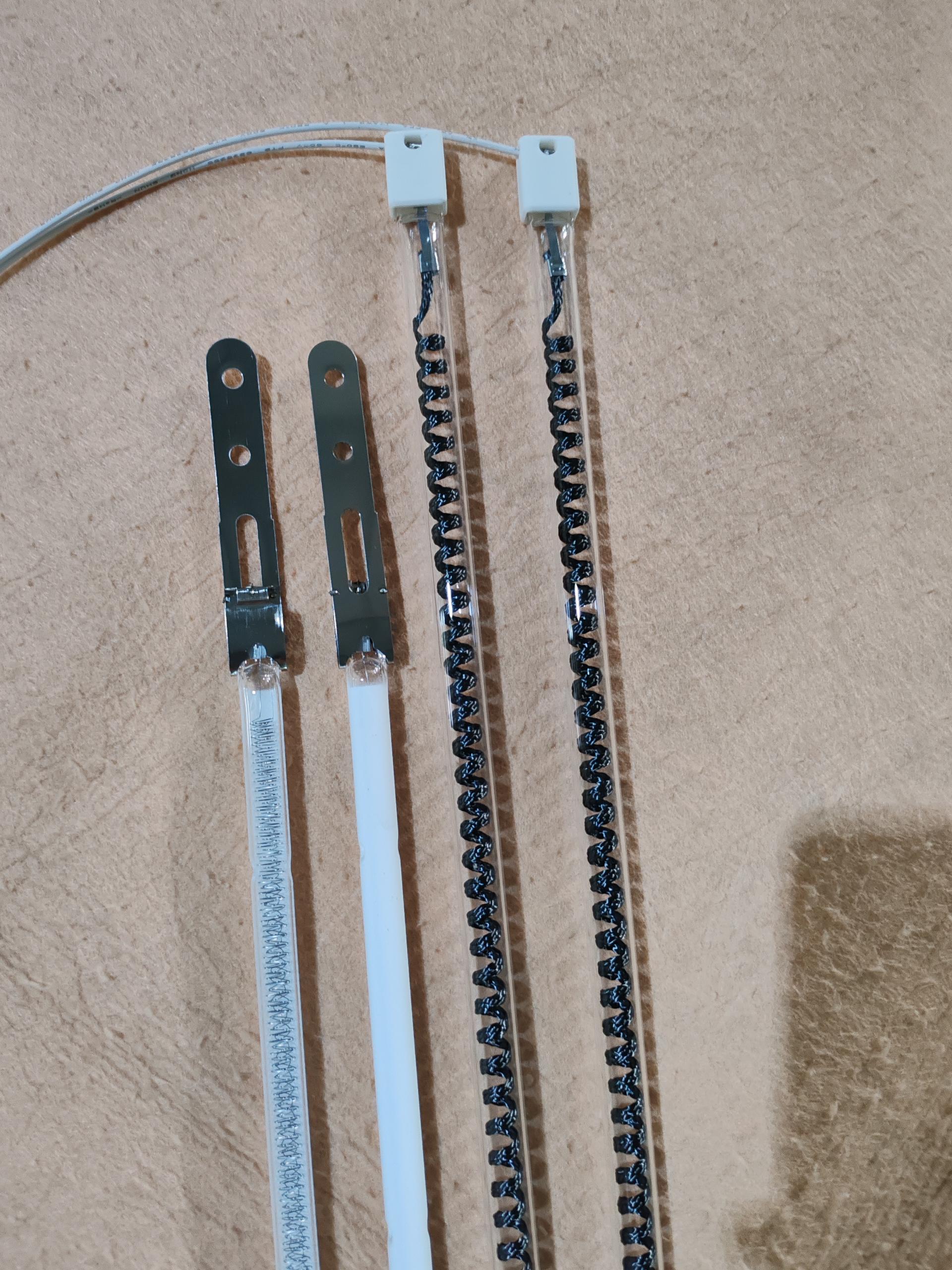
Here’s the guts of it: a quartz envelope packed with halogen gas. That combo is what keeps the filament stable, even when it’s glowing white-hot. It’s built to take the stress of repeated heating and cooling without burning out. Plus, the halogen cycle helps keep the heat output steady over the tube’s entire life. Then there’s the R7s connector. It makes wiring a breeze and gives you a rock-solid connection in industrial sockets. No more worrying about hot spots or fiddling around for ages on the shop floor. When it’s time for a replacement, it’s a quick, clean job.
Where It Shines
This tube is your go-to for jobs that need fast, directional heat. Think plastic sealing, drying out components, curing finishes, or hitting a specific spot on a production line. Because the heat is so concentrated, you’re not wasting energy warming up the air around it. Now, a heads-up: that 400W density packs a punch. You’ll need to make sure there’s enough airflow and proper thermal management to keep nearby parts from getting too hot. But get the mounting right, add a little heat shielding, and you’ve got a system that’s reliable, repeatable, and ready for whatever you throw at it.