Introduction
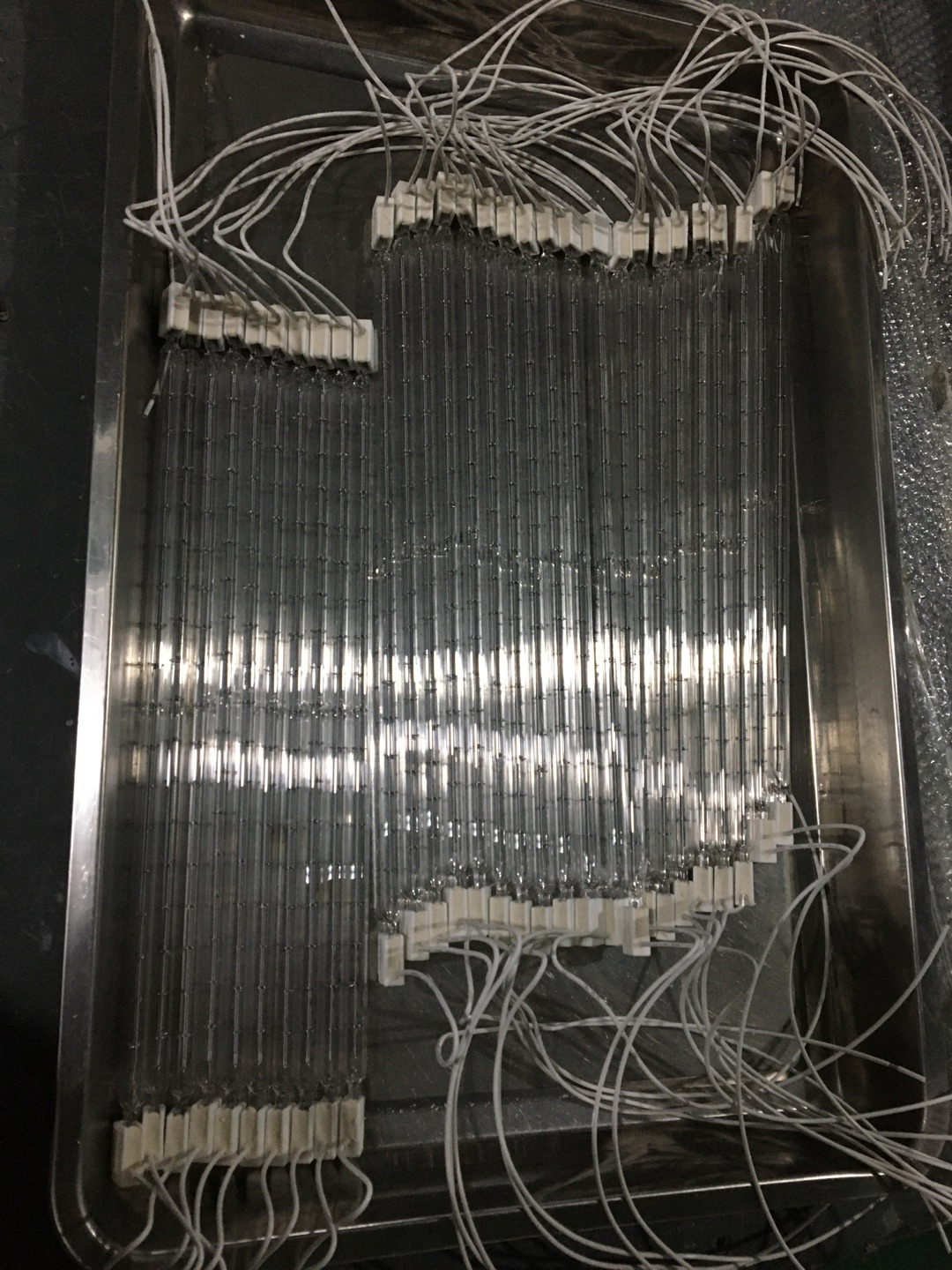
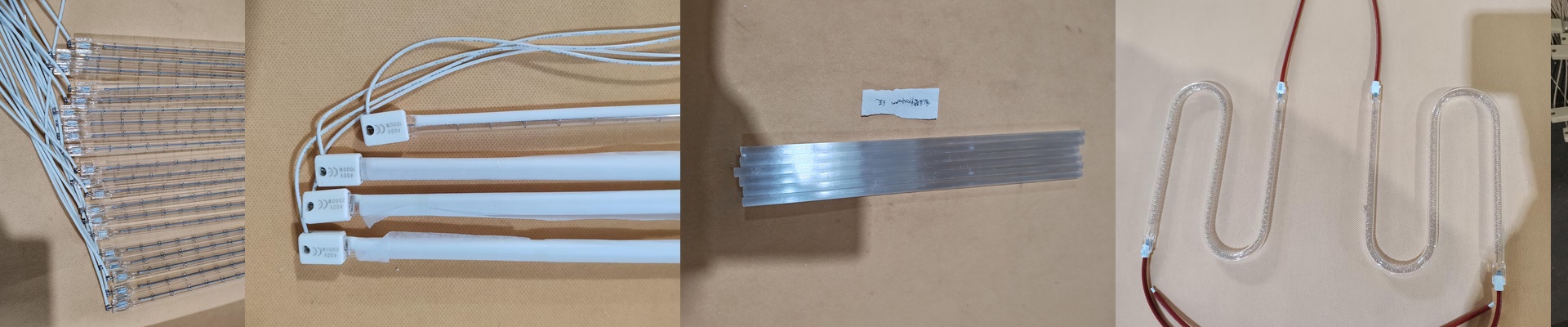
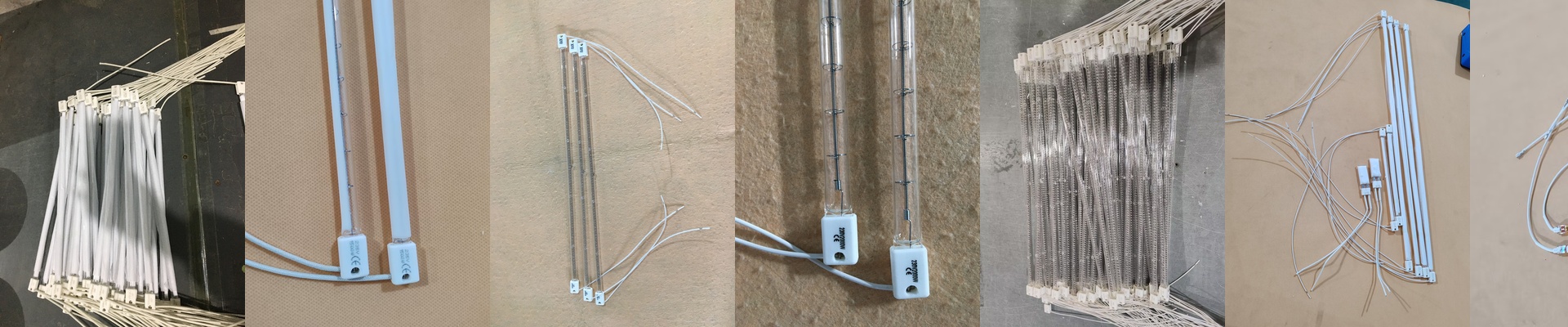
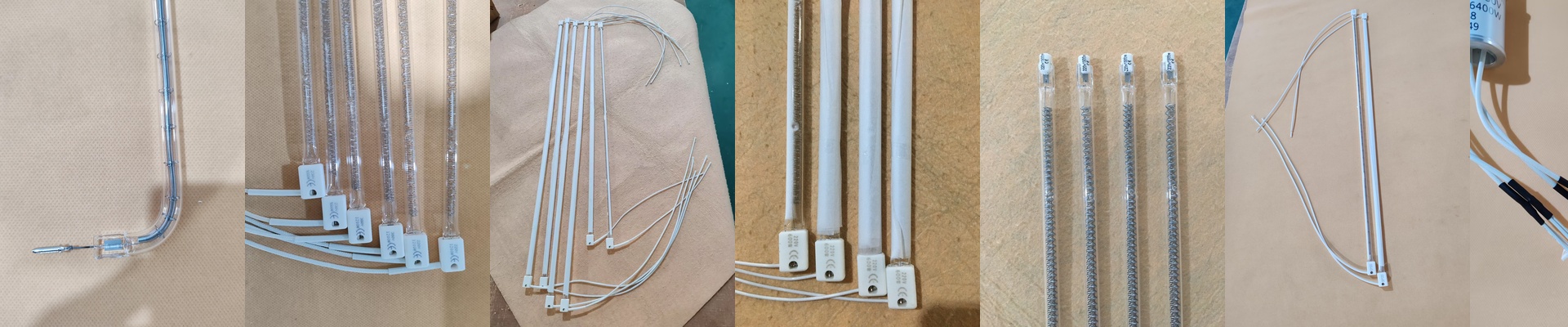
We make halogen heating quartz tubes for the machines that need heat—fast, focused, and right where you need it. These aren’t your run-of-the-mill bulbs. They’re built to pack a serious punch in tight spaces, so you get heat you can count on, when you need it, where you need it.
The real talk on power, voltage, and size
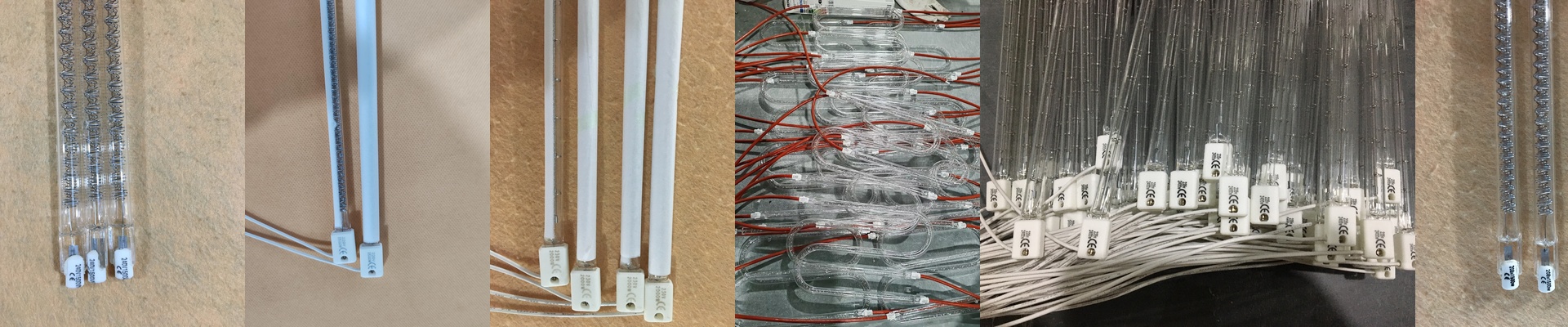
When we talk about these tubes, wattage, voltage, and length aren’t just numbers on a spec sheet. They tell the whole story about how much heat you’ll get and how it fits into your machine. A 400V high-voltage design is how we pack a lot of power into a small element. That’s what keeps the lamp short while still delivering the energy density you need. The wattage rating? That tells you what heat load the lamp can handle day after day, without breaking a sweat. Just make sure the wattage and voltage match your control gear. If they don’t, the lamp won’t last long. And length matters—a lot. It sets the size of the heated zone and decides how much room the lamp needs inside the machine. If you’re retrofitting an existing line, you need a lamp that slips right into the old brackets and reflectors. So we size our lamps to drop in as a direct replacement, without forcing you to redesign the heater housing.
What’s inside: quartz, coating, and the right connections
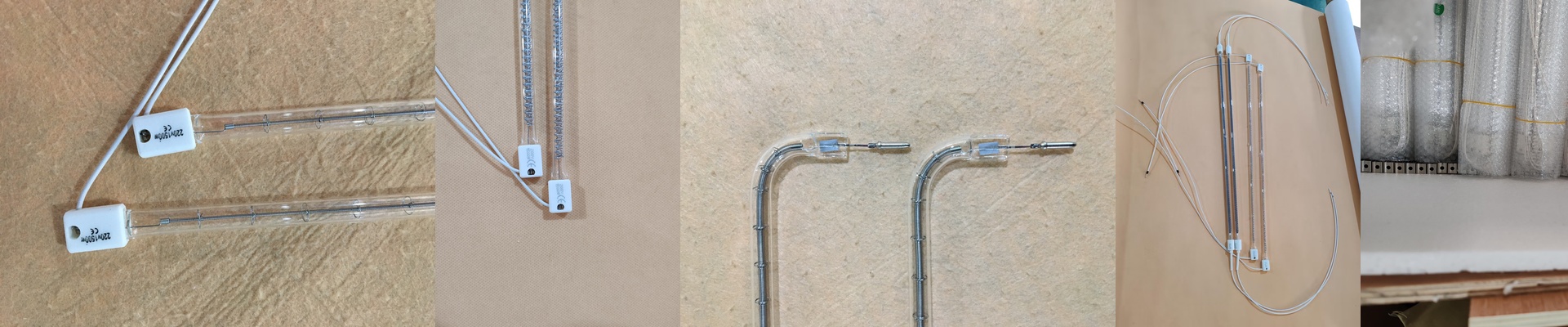
We build these around quartz because it can take extreme heat and stays transparent to shortwave infrared. That transparency means the filament’s heat goes straight through the envelope and into the target—efficiently. The halogen cycle keeps the filament clean, so output stays steady over the life of the lamp. No surprises, no gradual fade. Then there’s the reflective coating on the quartz tube. It pushes energy forward, so you waste less heat and protect nearby parts. It also helps keep the temperature even across the surface you’re heating. As for connectors, R7s and Sk15 weren’t chosen by accident. They’re about secure contact, handling high current, and making replacement easy. R7s gives you a solid two-point connection that can carry high wattage without creating hot spots at the terminals. Sk15 is the compact option when space is tight. Either way, wiring is simpler and maintenance happens faster on the shop floor.
Where these shine—and what to keep in mind
You’ll find these tubes where fast, localized heating is the name of the game: PET blowing, plastic welding, curing, shrink fitting. The shortwave response gets energy in quickly, so cycle times shrink. And because the footprint is compact, you can refit tight machines without a major overhaul. But here’s the thing: that kind of power in a small package means you need proper cooling and thermal shielding. If your machine can’t shed the heat, you’ll lose component life fast. Match the lamp to the system, and you get performance you can predict—with downtime that stays low.