The Infrared Halogen Lamp That Actually Gets Out of Your Way
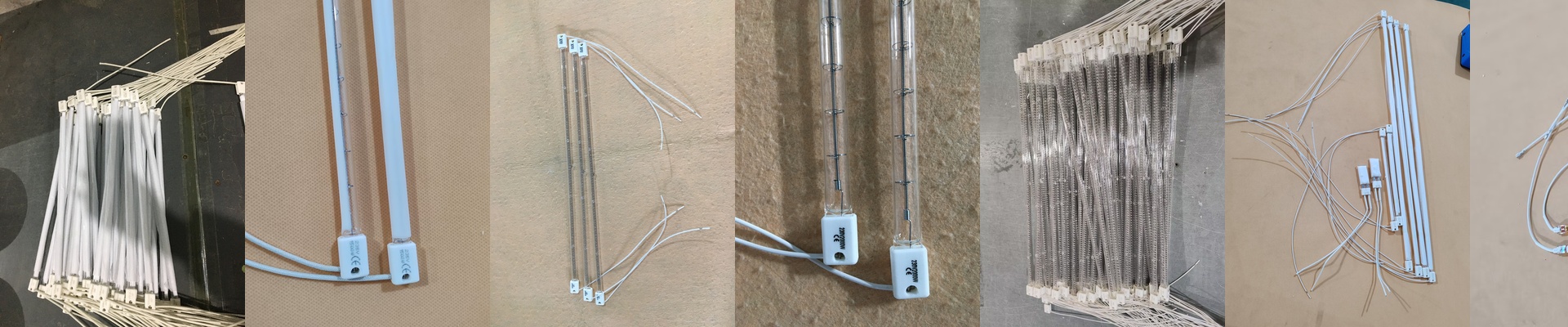
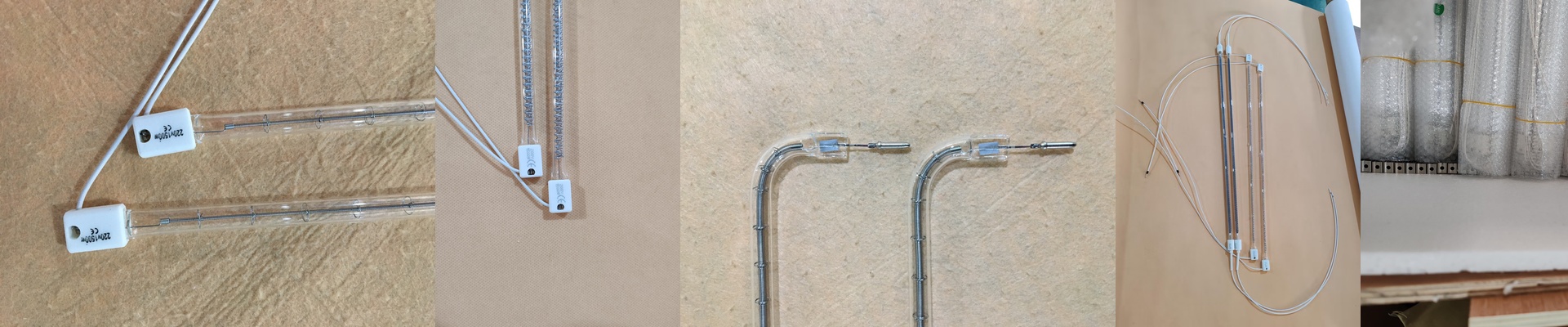
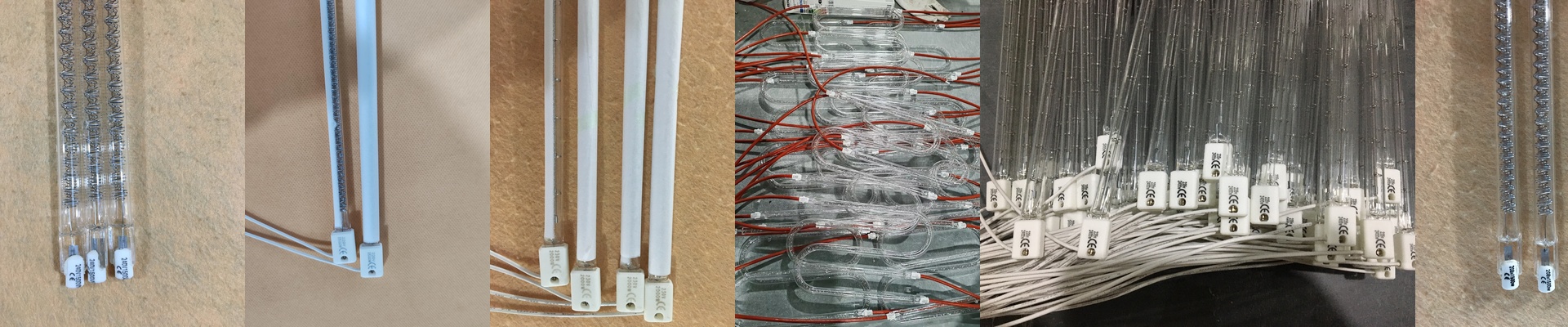
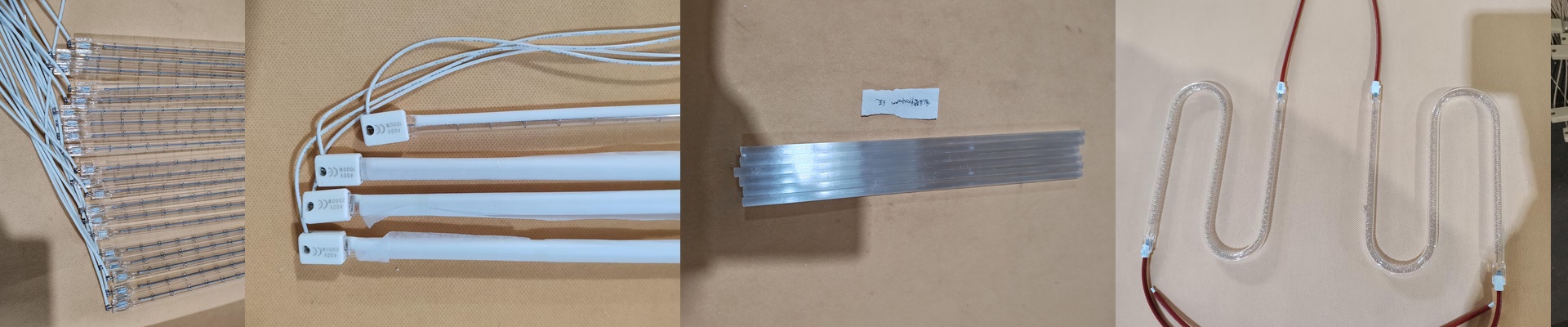
Let’s talk about a heat source that’s built for the real world—the kind of spot you can’t heat with a giant oven, where you need control, speed, and precision. That’s what we built this high-efficiency infrared halogen lamp for. It’s compact, intense, and ready to deliver direct heat exactly where you need it. Think spot heating, component drying, process heating—any job where space is tight and timing matters.
Power, Voltage, and the Size That Makes Sense
At the heart of it is a 300mm quartz tube, rated at 2500W and 400V. That combo gives you a lot of heat without taking up a lot of room. The payoff is concentrated thermal output you can aim precisely. Heat-up is fast. And you’re not wasting energy warming the air all around the target. Just keep in mind: this is a high-voltage design. Make sure your machine’s wiring and insulation are up to the task. Plan your creepage and clearance distances, and confirm your power supply can handle the 400V load without breaking a sweat.
What’s Inside—and Why It Stays Stable
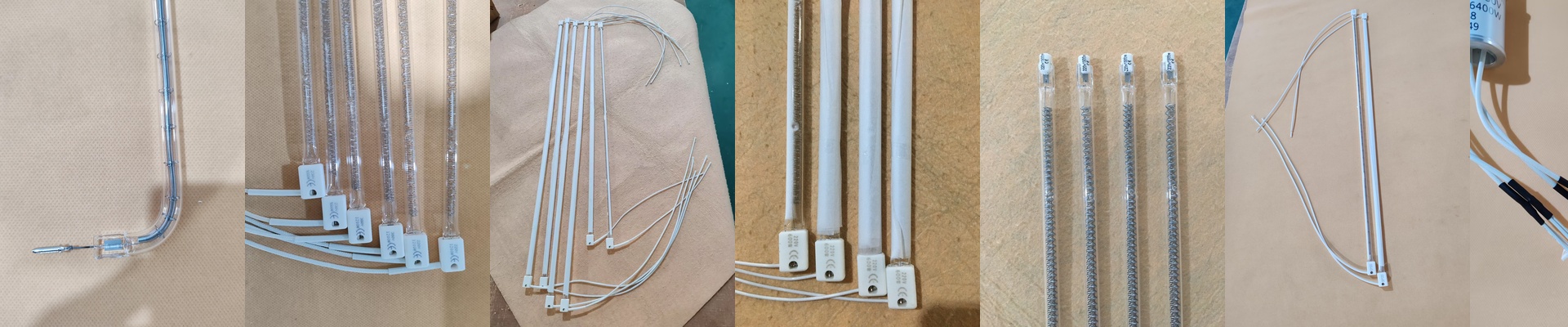
Inside that quartz envelope sits a shortwave infrared halogen element. The halogen cycle helps keep the filament stable, so output stays consistent over the life of the lamp. The quartz tube is also coated to shape the spectral output. More energy goes where you want it, and you get less of that harsh visible glare. For termination, it uses an R7s connector. It’s a standard, compact end-cap that gives you a solid mechanical mount and clean electrical contact. When you’re running high-cycle production, that means a quick, simple replacement—no fuss.
Where This Lamp Shines
This configuration is for the moments that demand fast response and localized heating. Component curing, plastic softening, adhesive activation, targeted drying—this is right in its wheelhouse. You heat the part, not the whole work area. That concentrated output gives you predictable performance. But there’s a trade-off: 2500W is dense, and that heat needs a plan. If your setup is tight, you’ll want to think through airflow and thermal shielding up front. That way, ambient temperatures stay in check, and nearby components stay protected.