Stop Wasting Your Heat: The Truth About Gold-Plated Halogen Lamps
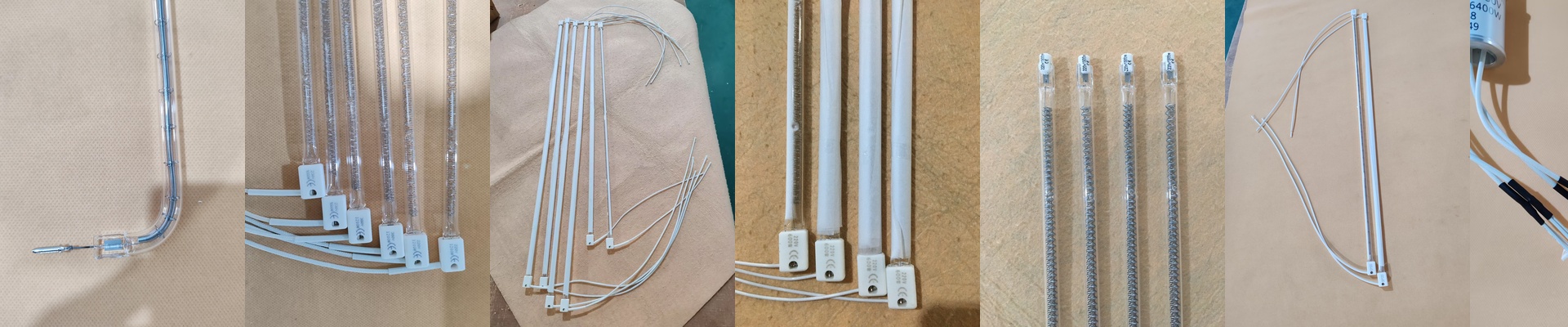
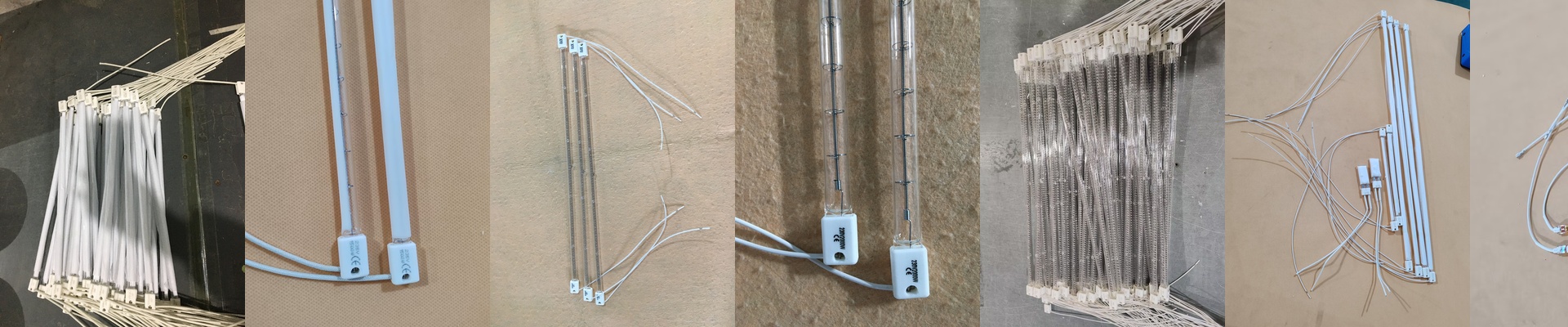
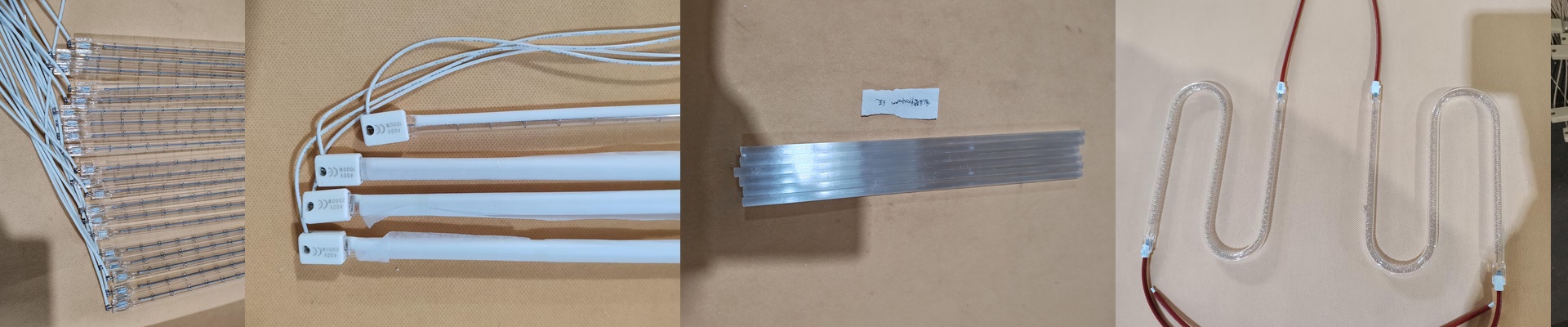
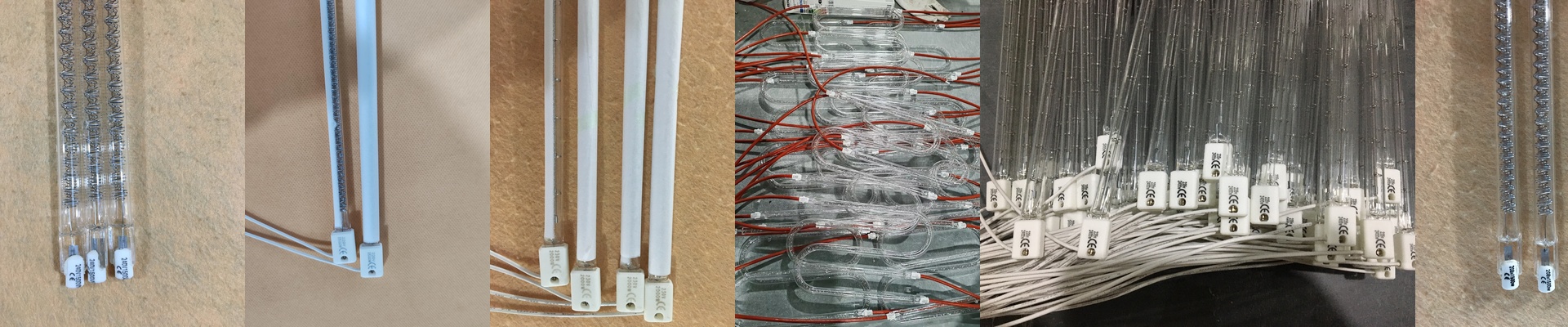
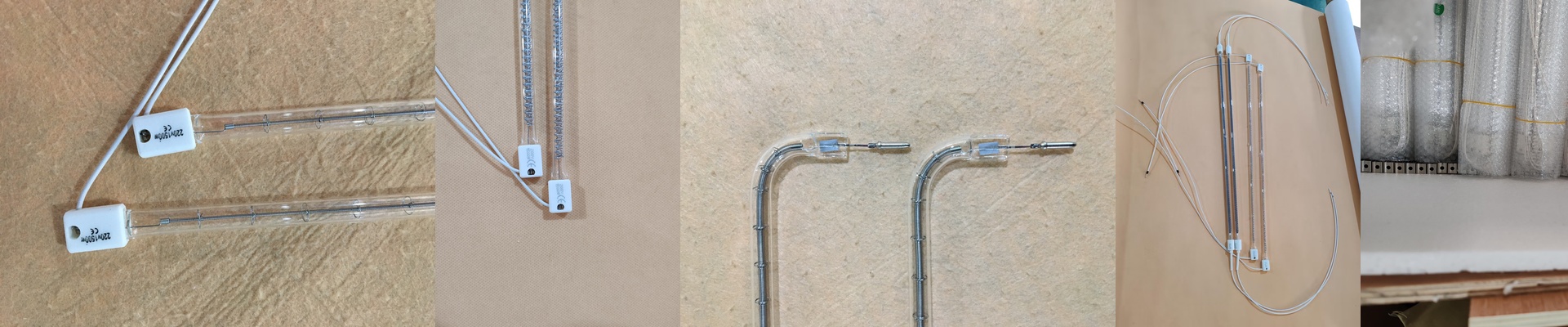
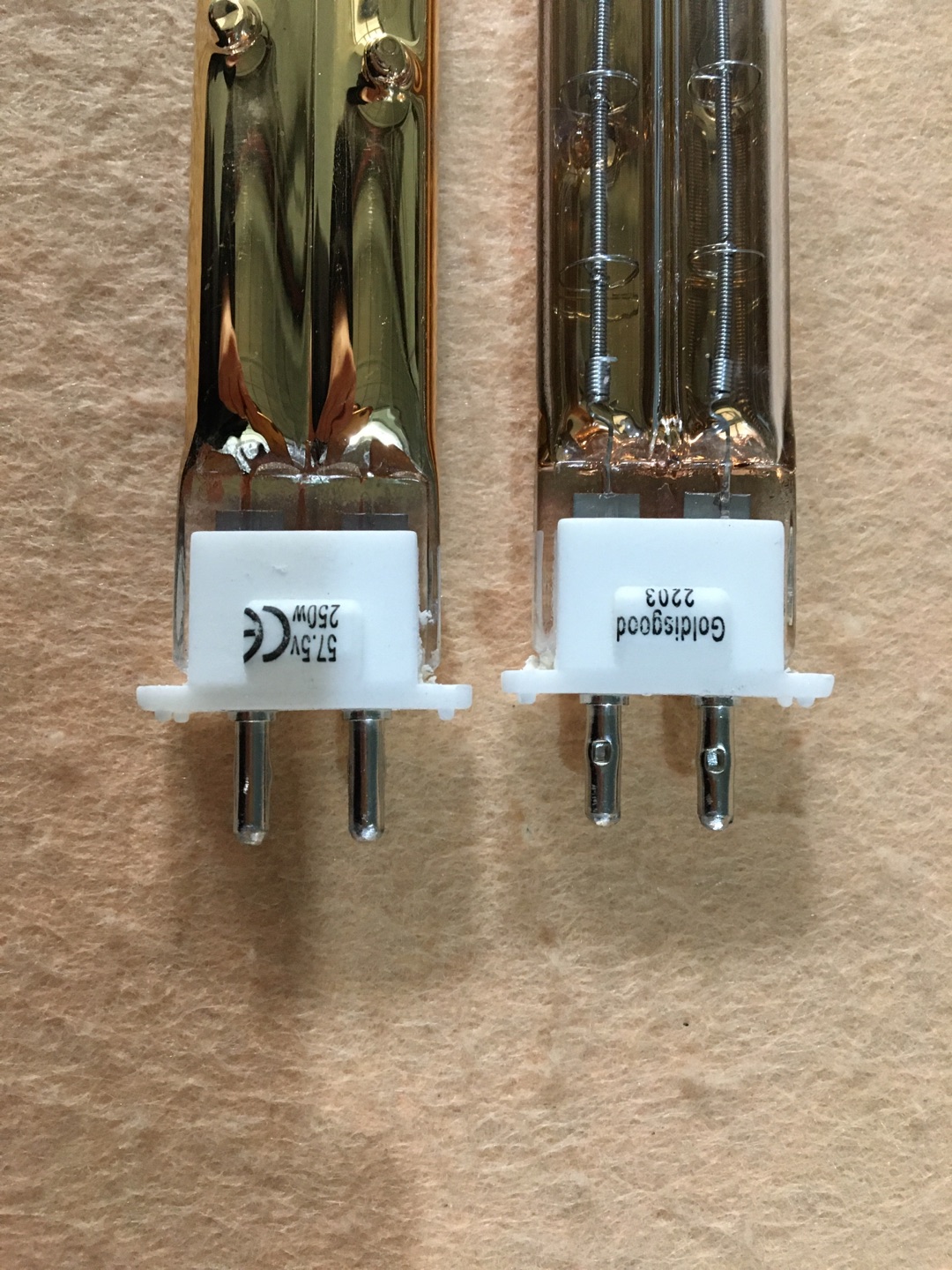
Let’s talk about waste. If you’re using standard quartz lamps, you’re basically throwing half your energy away. These things radiate heat in every single direction. In a real-world industrial setup, that means a huge chunk of your power is just heating up the machine frame instead of actually doing its job on the workpiece. It’s frustrating. And expensive. That’s why we use a thin layer of gold on the back of the quartz. It acts like a mirror, bouncing all that wasted energy forward. Why gold? Simple. Gold is incredible at reflecting infrared light. But more importantly, it doesn’t flake or oxidize when things get screaming hot. It turns your lamp into a directional beam of heat. You hit your target temperature way faster, and you don’t have to crank the wattage to the max to make it happen. Now, a quick word on the hardware. These lamps usually run on high-voltage circuits to keep things compact. Whether you’re plugging in R7s or Sk15 connectors,**make sure the fit is tight.**Seriously. If the connection is loose, you’ll get arcing, and you’ll burn your socket right out of the wall. We use high-purity quartz to house the tungsten filament because standard glass would just melt. Just keep an eye on your power supply. A sudden voltage spike? That’s a one-way ticket to a dead filament. You’ll see these lamps everywhere—PET blowing, curing lines, drying tunnels. Anywhere you need a massive punch of heat on a surface, fast. But here’s the catch. Because you’re concentrating all that energy into one beam, the emitter side gets incredibly hot. If your workpiece is too close, you’re going to scorch it. Take your time with the mounting distance. Get your cooling fans dialed in. If you don’t, you risk the quartz overheating and cracking, and nobody wants to deal with that mid-shift.