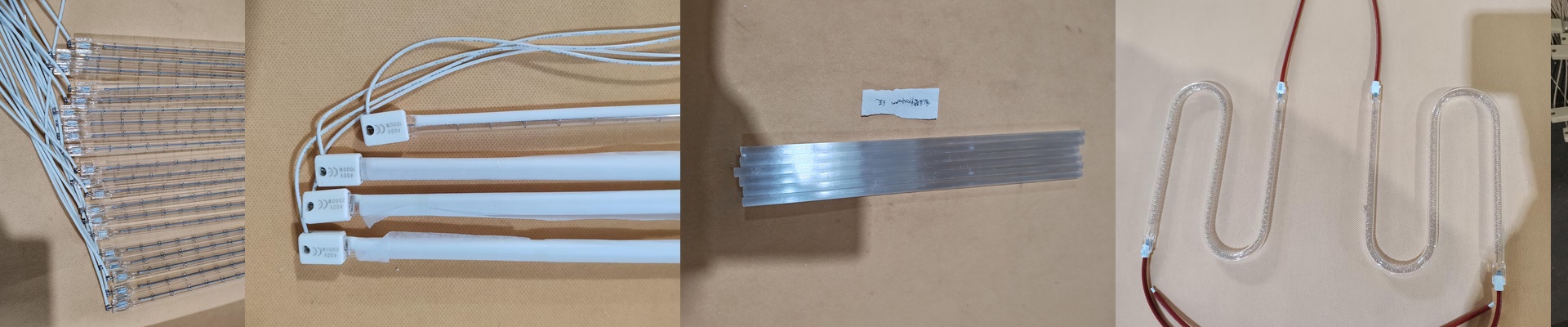
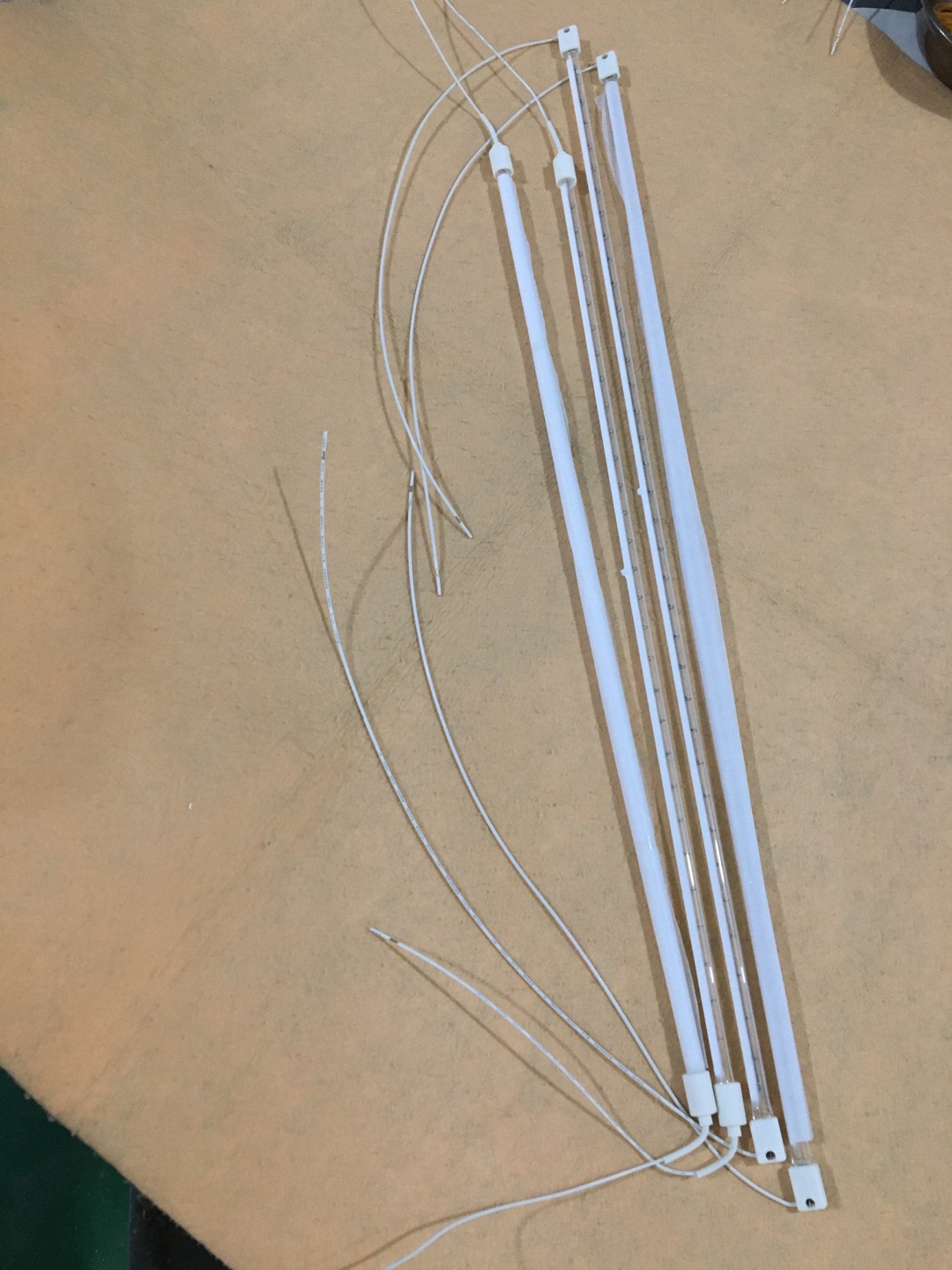
Let’s talk about half-white coated infrared lamps
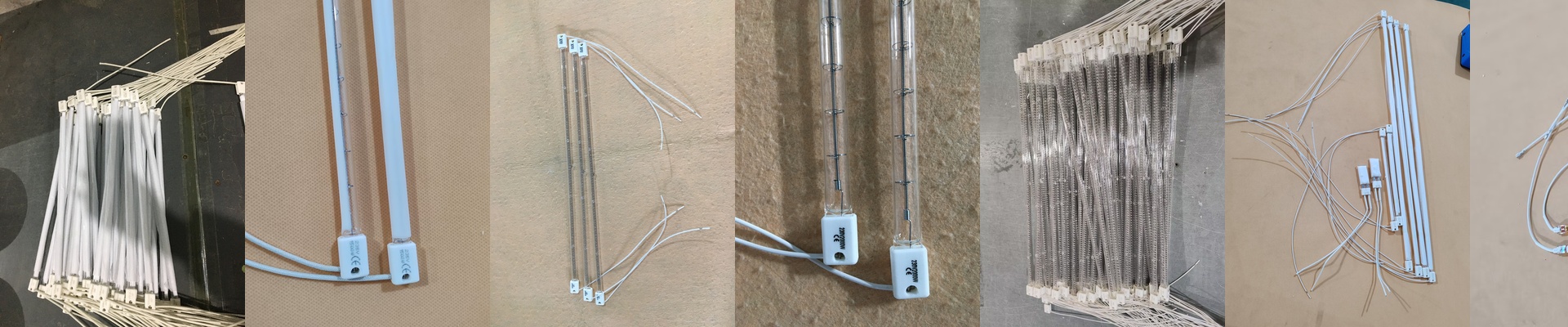
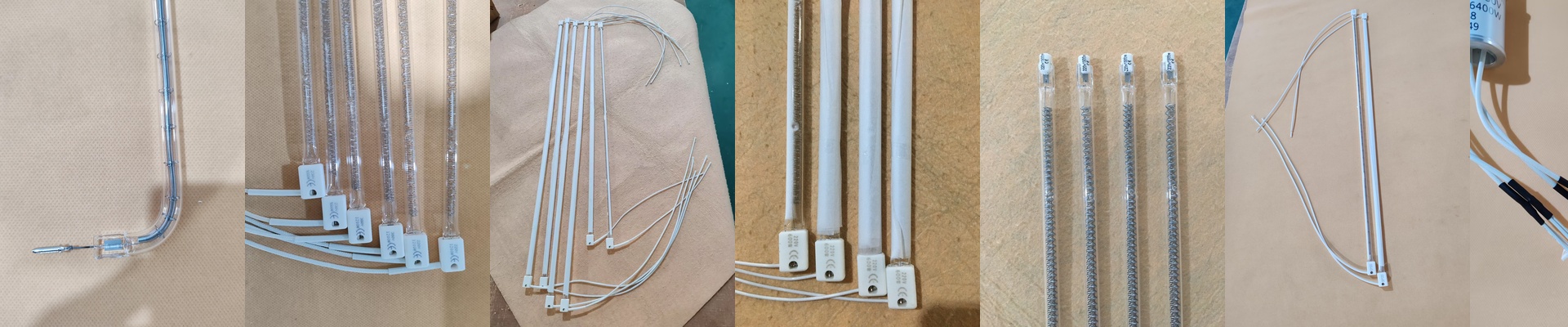
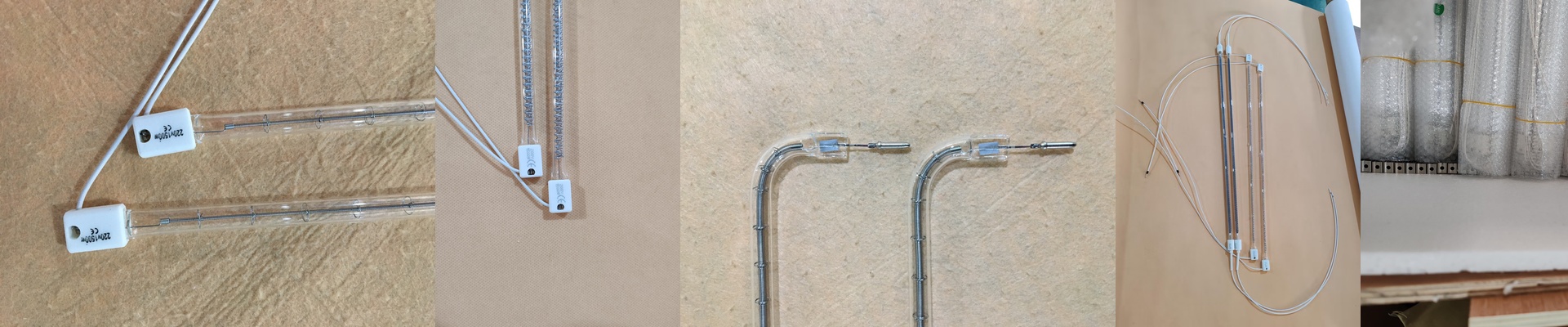
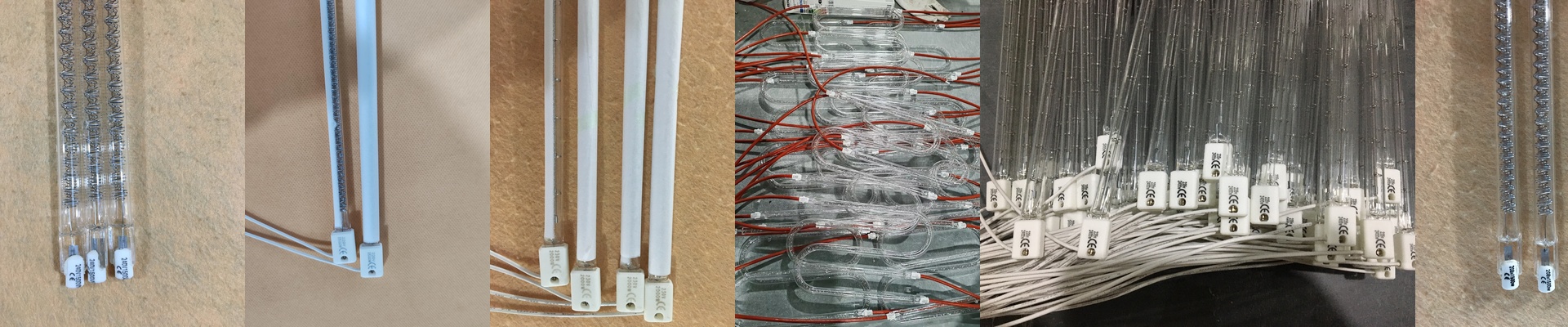
Ever had a problem where your heat is just… off? You’ve got a scorching hot spot right in the middle of your project, but the edges are still freezing. It’s frustrating. That’s exactly why we use half-white halogen lamps. A standard clear lamp just blasts heat straight ahead. By adding a partial white ceramic coating to the quartz, we can bounce some of that energy back or scatter it around. The result? The heat spreads out evenly across your surface instead of burning a hole through the center. The nitty-gritty on power These are shortwave IR sources, and we use high-purity quartz because the heat is intense. Really intense. If you need your industrial ovens to heat up faster, you can go with a higher wattage over a shorter length. Just a heads-up: make sure your power supplies actually match the lamp’s voltage. If they don’t, you’re just asking for the filaments to burn out way too soon. Why the white coating actually matters The “half-white” part isn’t for looks. It’s all about how the heat moves. Instead of a harsh, direct beam, the coating softens the blow and spreads the warmth. It’s the difference between a heat lamp and a warm breeze. It keeps your materials from warping or scorching in the middle while the rest of the piece stays cold. Setting them up (and a few warnings) We usually ship these with R7s or SK15 connectors, so you can just pop them in and go. Pair them with a PID controller if you want to keep your temperatures dialed in perfectly. But here’s the thing: there’s a trade-off. Because of that white coating, a little bit of the radiant energy gets blocked compared to a clear lamp. You might find you need to crank up the power or leave the part in the oven a bit longer to hit your target temperature. Also, keep an eye on your cooling fans. If the airflow drops, heat builds up around the coated envelope and can wreck the seals. Keep that air moving.