Introduction
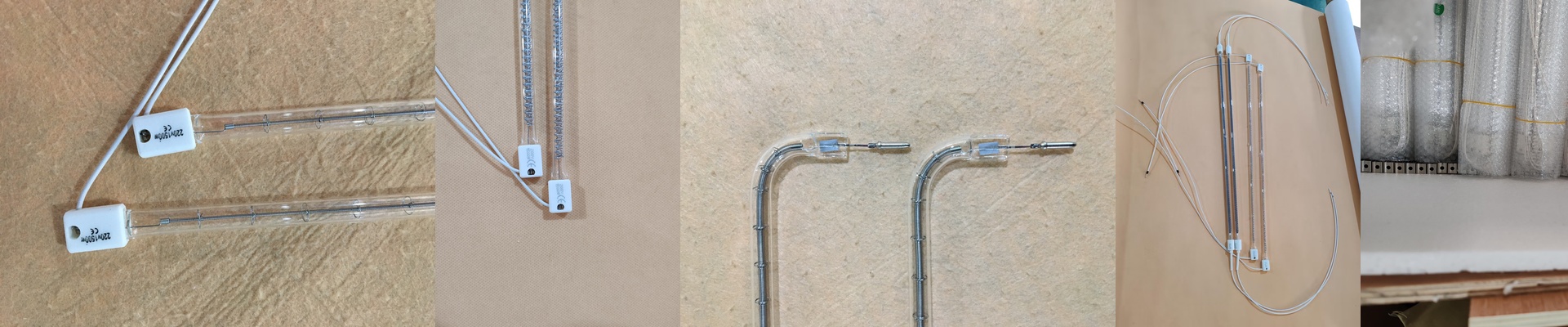
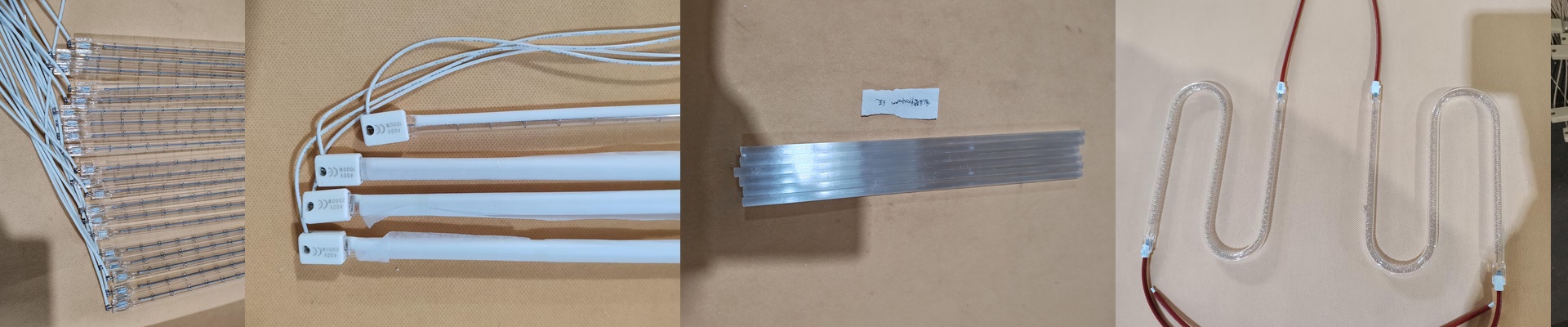
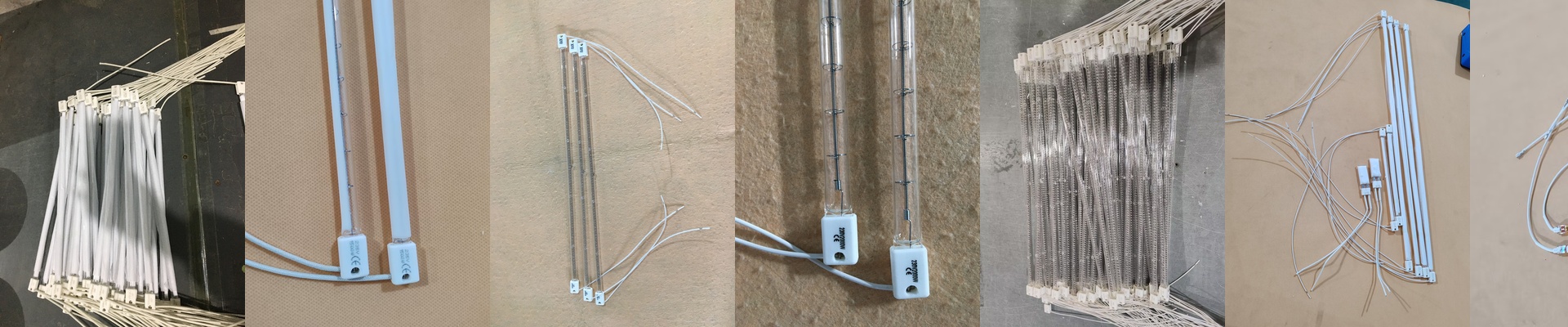
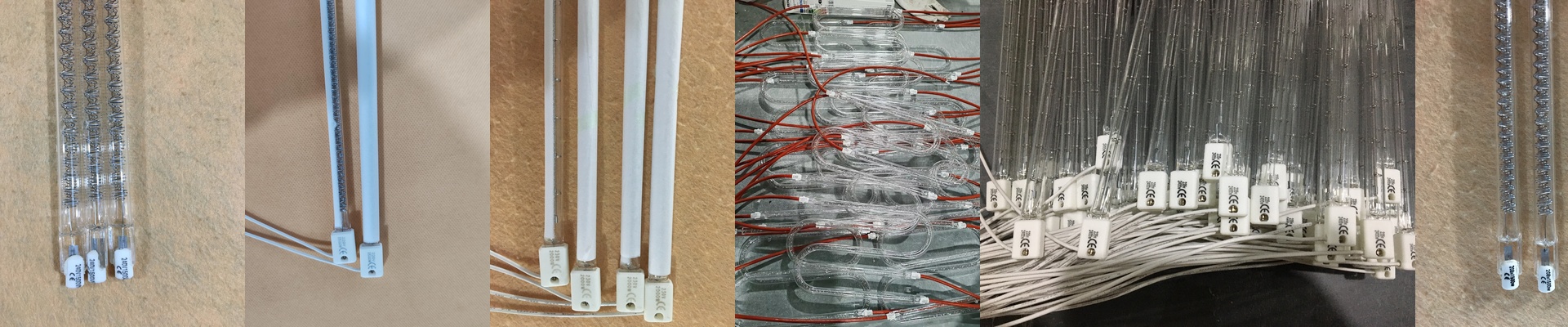
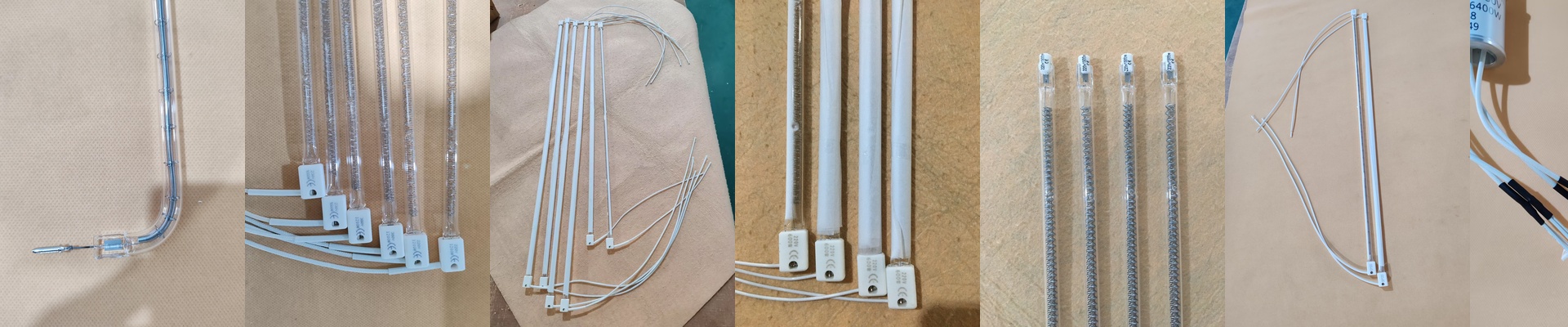
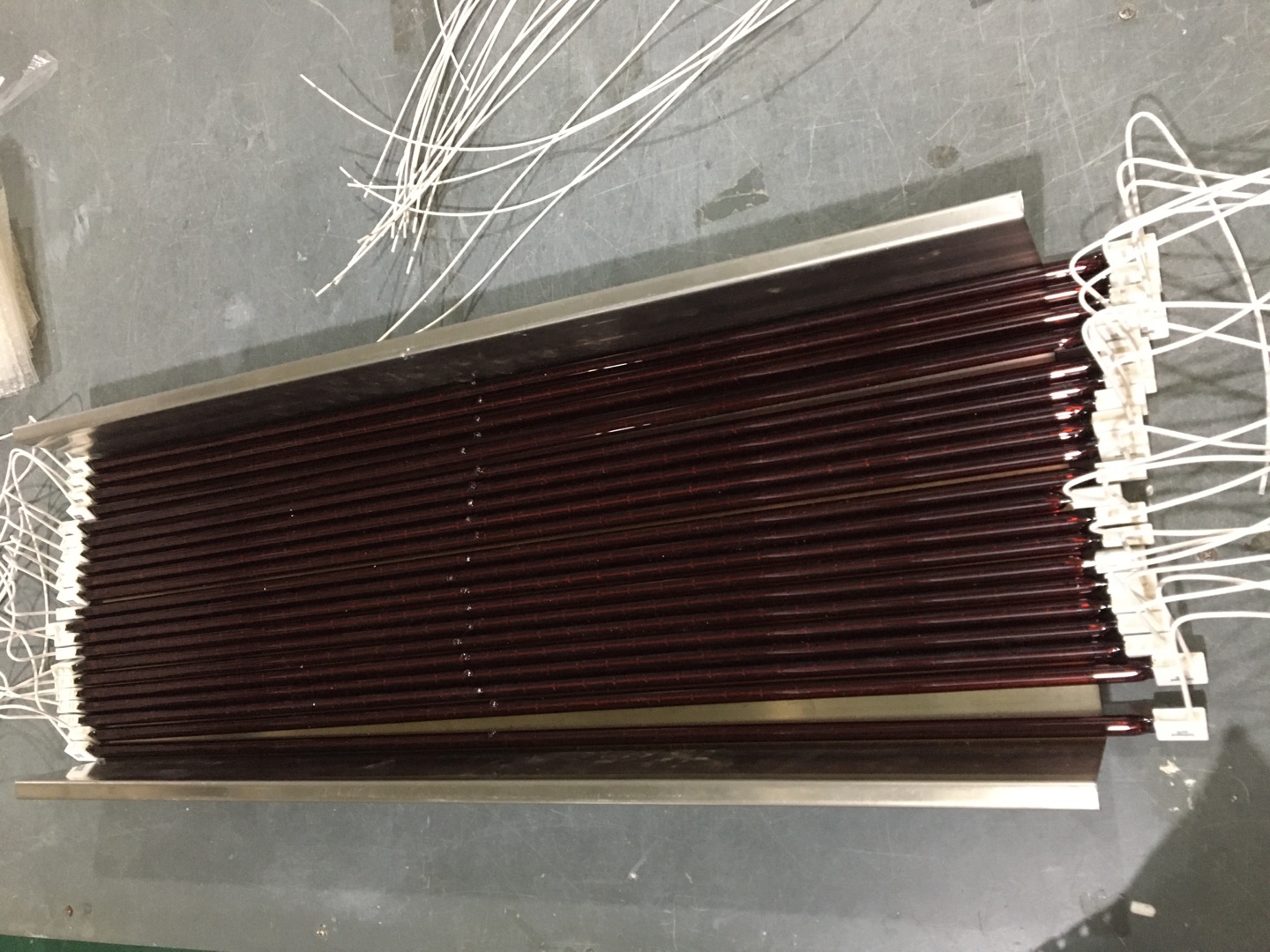
We built this 605mm halogen heating lamp—220V, 1000W—for one reason: to be the dependable heat source you can drop straight into demanding industrial gear. If you’re an engineer who needs serious output, a clean fit, and wiring that just plays nice, this was made for you.
Power, Voltage, and Size—Why It Matters
The 1000W rating at 220V is intentional. It gives you plenty of heat, but it also keeps the electrical side predictable. That means you can size your controls and wiring without guessing—no over-engineering, no crossed fingers. And that 605mm length? Not random. It gives you a long, even heat zone, which matters when your process needs uniform temperature across the whole target. The result is coverage that feels steady and consistent—no hot patches, no cold surprises.
The Build: Halogen, Quartz, and an R7s Connection
Inside, the halogen cycle stays working inside a quartz envelope. That’s the kind of detail that keeps the filament clean, so the light stays stable and the heat keeps coming the way you expect, all through the lamp’s life. Quartz also handles high temps without complaining, and it shrugs off thermal shock. So when things heat up and cool down, it stays solid. Then there’s the R7s connector. It’s a bi-pin design that snaps in and locks down—good mechanical grip, good electrical contact. On a loud, busy factory floor, that matters. No wiggle, no loosening inside the reflector. It just stays put.
What It Does—And Why It Feels Good to Install
This setup packs a lot of heat into a small footprint. If you’re doing jobs like PET blowing, where you need fast, focused heat to soften material quickly, it’s exactly the kind of performance you want. And the R7s connector makes it a straightforward swap. Wire it up, seat it, and you’re done—no messing with the fixture.
One Thing to Keep in Mind
Let’s be real: a 1000W lamp inside a 605mm tube runs hot. That’s the trade-off for the heat density. Make sure the surrounding equipment has enough ventilation, and that the reflector assembly is rated for the thermal load. Plan for the heat, and it’ll behave the way you need it to.