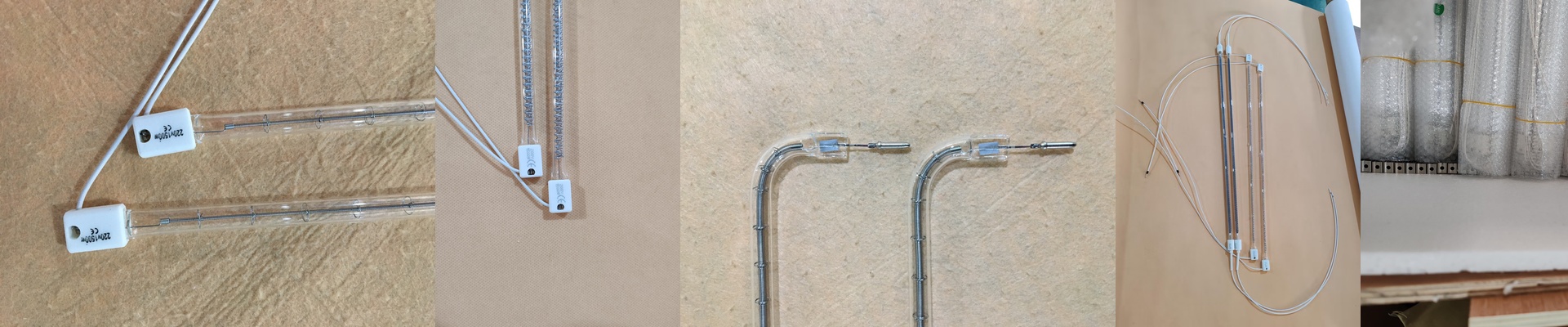
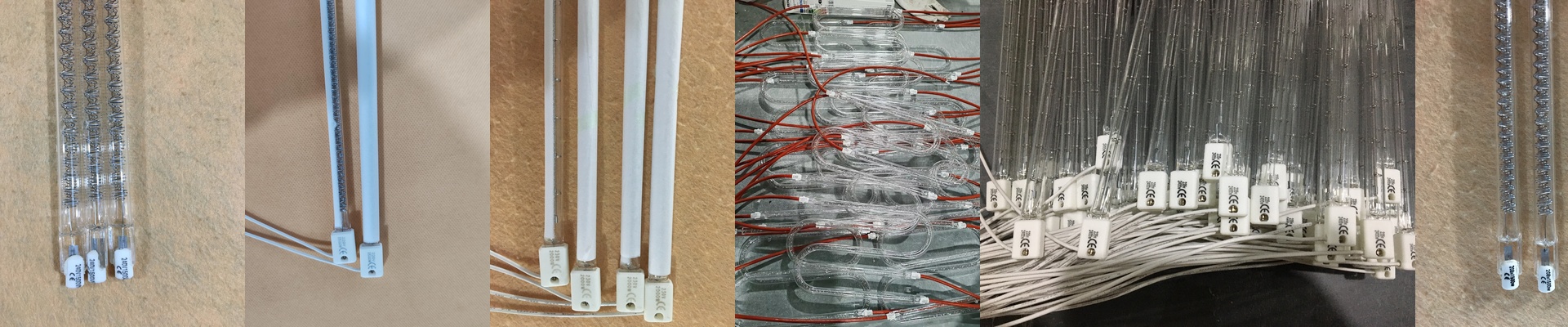
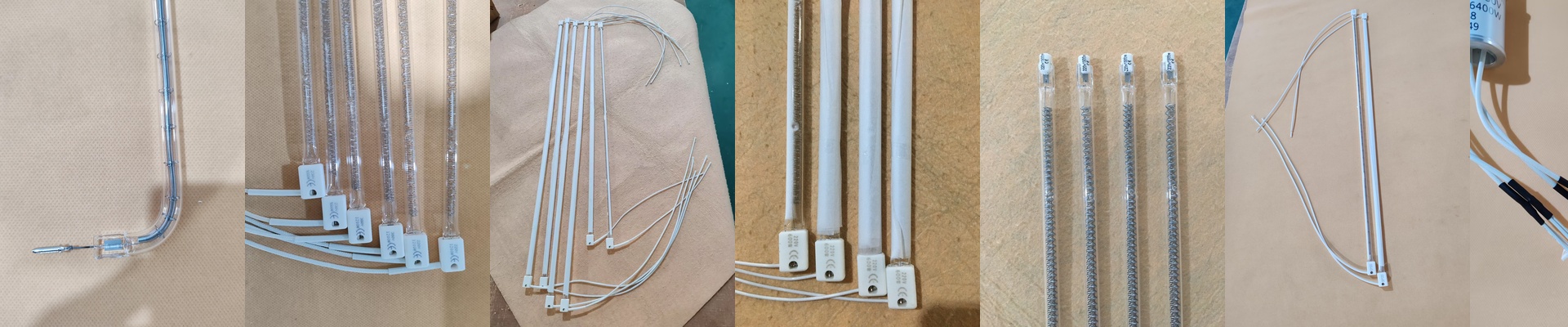
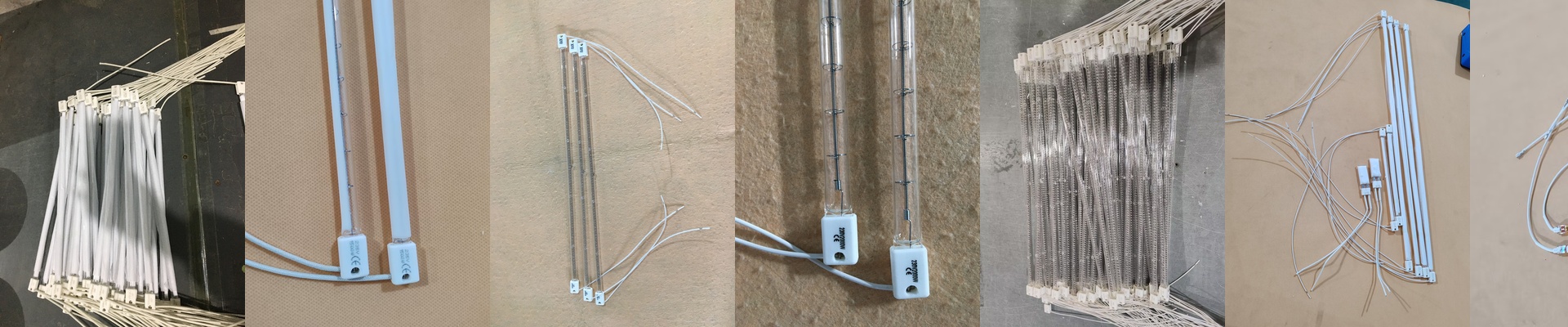
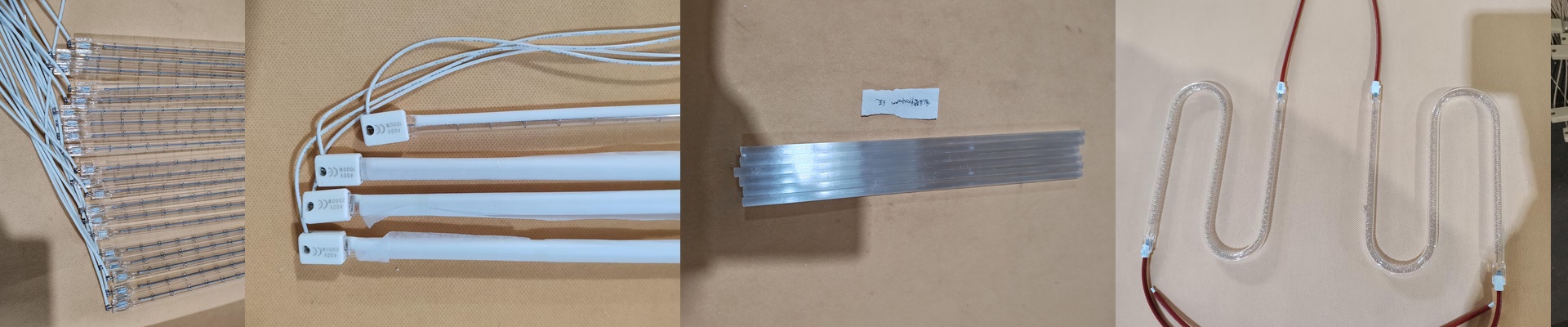
The 1000W Halogen Lamp: Your Go-To for Fast, Focused Heat
We built the 1000W halogen lamp for those industrial jobs where you need heat, and you need it now. No waiting around. No lag. It’s the kind of direct-radiant heat source that shines when your process demands a fast response and a serious burst of concentrated energy. Think thermoforming, curing, or any plastic processing where time is tight and precision matters. This lamp is all about packing a ton of heat into a small space.
Power, Voltage, and Size—Simplified
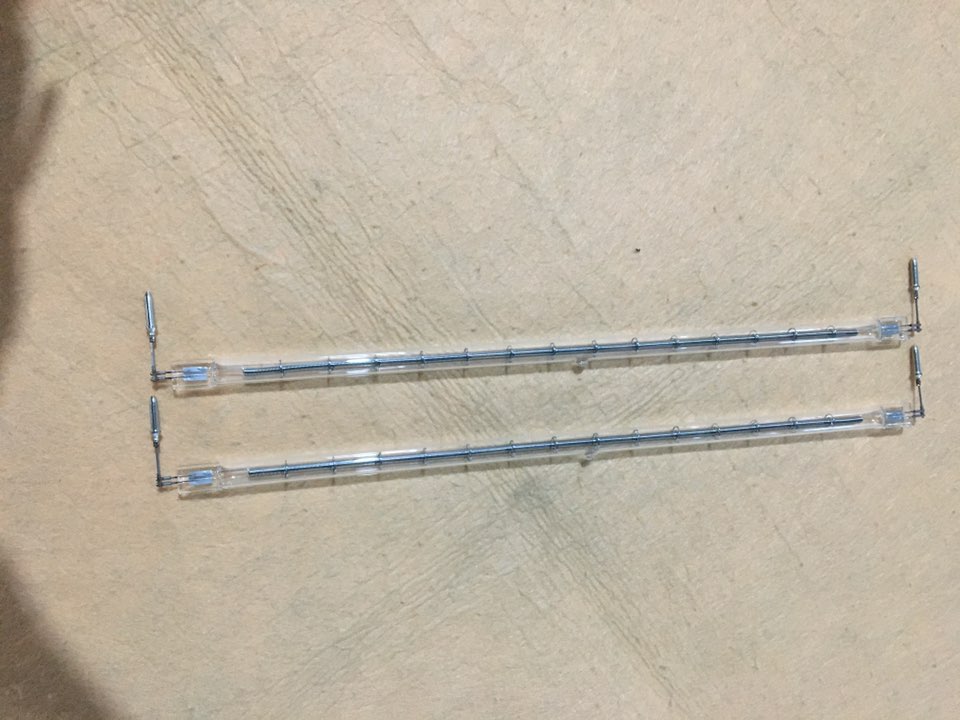
The 1000W rating isn’t just a random number. It’s a smart balance—giving you serious heat without overloading your electrical setup. You can wire these for standard line voltages, and if you go with a higher-voltage setup, the current drops. That means less voltage loss along the line and you can keep your wiring simple—no need for bulky conductors. And the size? Around 300mm. It’s a compact package that gives you a tight, focused hot zone. That makes it easy to slot right into existing production lines without having to rework the whole heating chamber.
What’s Inside: The Design That Matters
We use a quartz envelope because it can handle the extreme heat and is perfectly compatible with the halogen gas inside. That gas does some real magic—it keeps the filament stable by putting the evaporated tungsten right back where it belongs. The result? Consistent performance over the life of the lamp. Then there’s the R7s connector. It’s a simple, two-pin ceramic design, but it does the job. It holds tight, carries the current reliably, and installs in seconds. Once it’s in, it stays put—even when things get shaky with vibration or when the temperature keeps changing.
Heat on Demand, When You Need It
This lamp was born for processes that need heat to switch on and off instantly. Take PET blowing, for example. You need intense, localized heat to soften the preform—but you can’t afford to overheat the mold. The 1000W halogen lamp delivers that heat on command. No warm-up. No delay. Just pure, focused power exactly when you need it. But here’s the catch—the output is intense. So your machine needs to be ready for it. Make sure you’ve got proper heat shielding and airflow planned, or nearby components are going to feel the heat.