Stop Guessing Your Heat: The Shift in Industrial IR Lamps
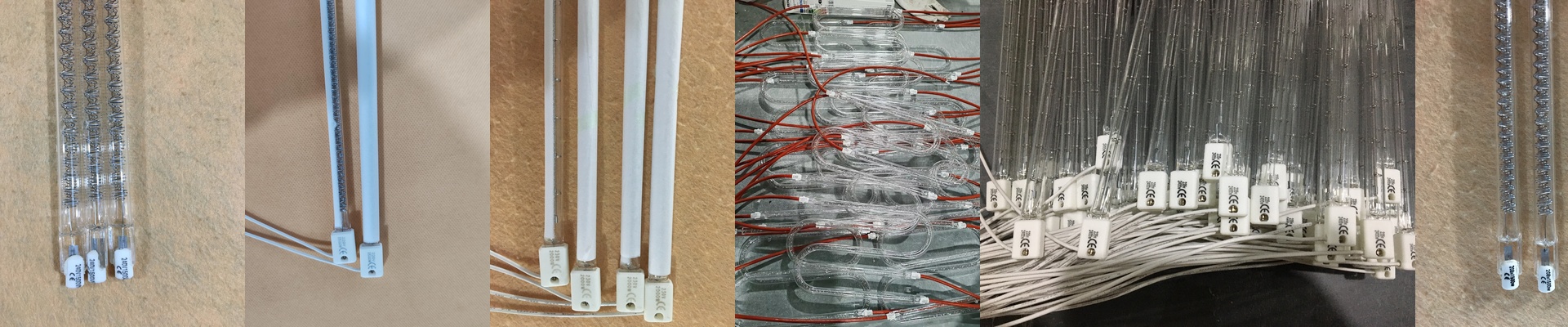
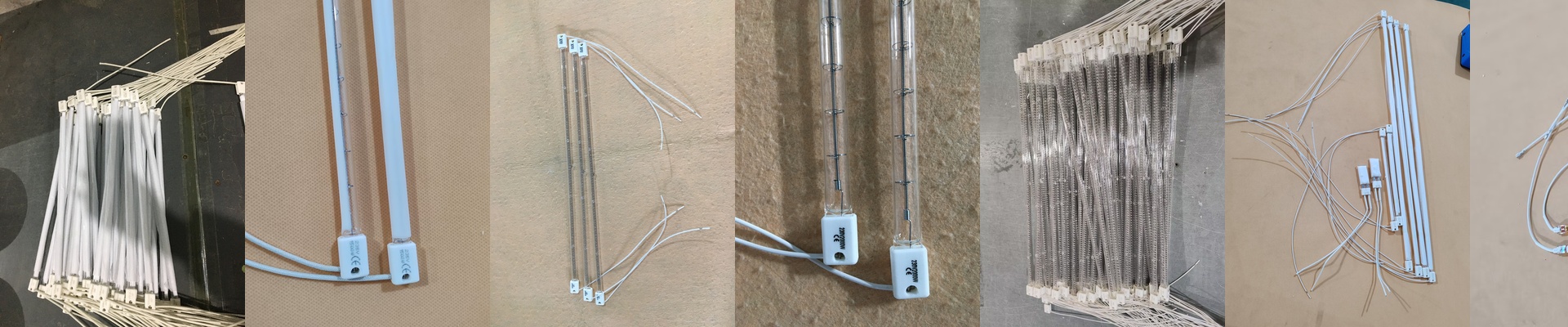
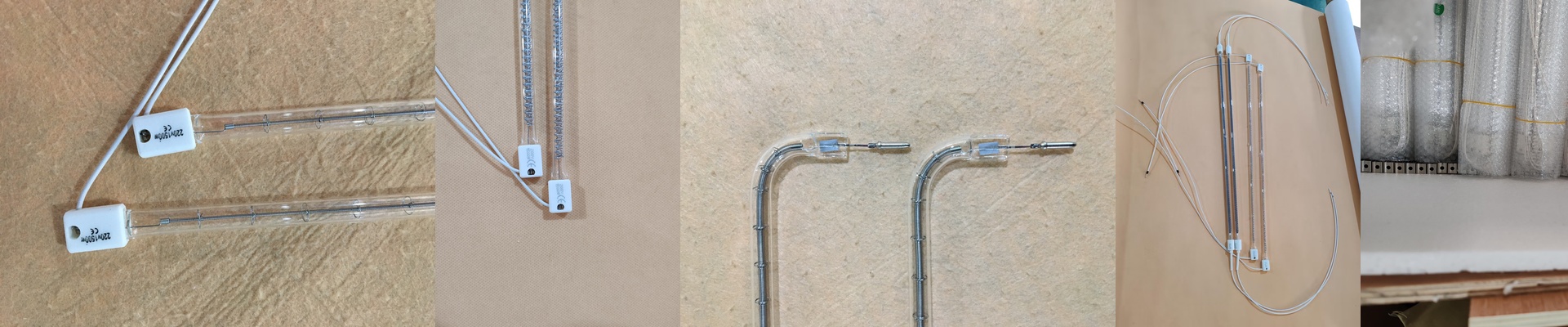
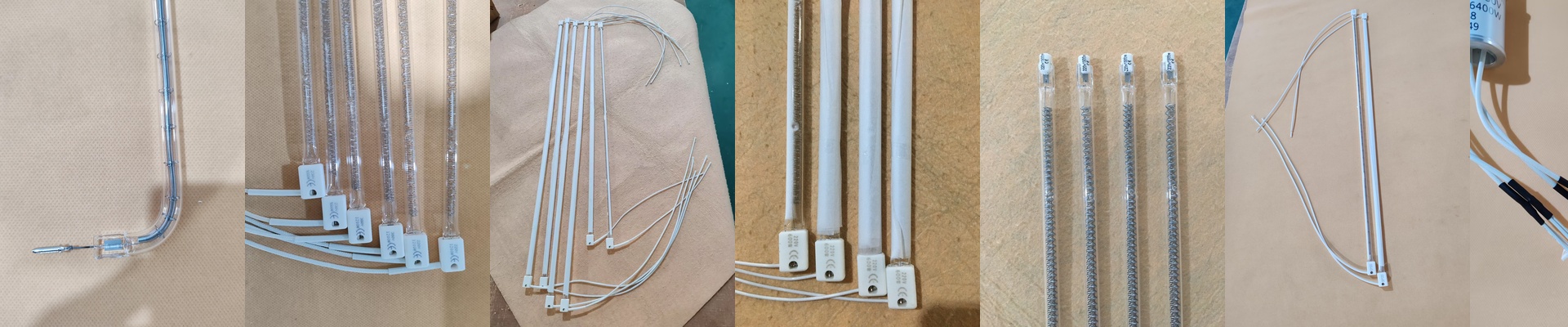
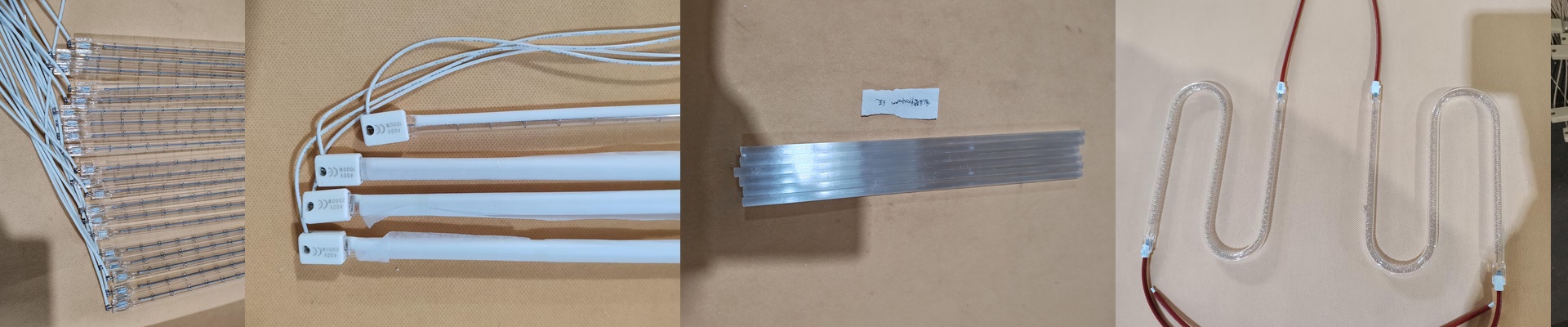
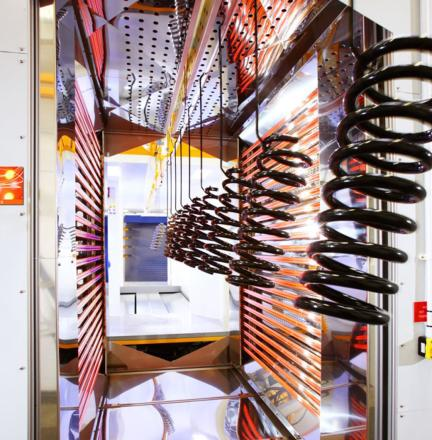
For years, standard halogen infrared lamps have been the reliable old workhorses of the curing and drying line. We build these things to take a beating. Between the quartz glass and the halogen gas cycles, they’re designed to handle massive heat without the filament just giving up and snapping. But let’s be honest: most of these setups are “blind.” You crank the power, cross your fingers and hope the surface temperature is where it needs to be, and then you wait. You wait until a QC failure tells you the lamp has degraded. It’s a stressful way to run a line.
How we keep them burning
The secret to a long-lasting tube is all in that halogen cycle. The gas basically pushes tungsten deposits back onto the filament, which keeps the wire from thinning out. We can even add special coatings to the quartz. This lets you hit the specific “sweet spot” of your paint or resin. It’s a lot smarter than just blasting heat and hoping for the best—it saves a ton of energy.
Making lamps “talk”
The next few years are going to be interesting because we’re finally making these lamps talk back. We’re moving past those basic on/off switches. By tucking sensors into the housing or using smart controllers, the lamp stops being just a piece of glass and becomes a data point. You can see voltage drops and current spikes in real-time. Basically, the lamp tells you it’s about to die before the whole line grinds to a halt.
The catch (because there’s always one)
Adding brains to a heating element isn’t exactly easy. Here’s the thing: electronics hate heat. You can’t just slap a PCB next to a 1000W halogen tube and expect it to survive. You need serious shielding. If your cooling blowers aren’t up to the task, your fancy new IoT hardware will fry long before the lamp ever does. But if you get it right? You stop treating these lamps like disposable lightbulbs and start treating them like assets. No more surprise outages. Just a smooth, predictable curing curve.