Getting Your Countertop Powder Coating Heater Right
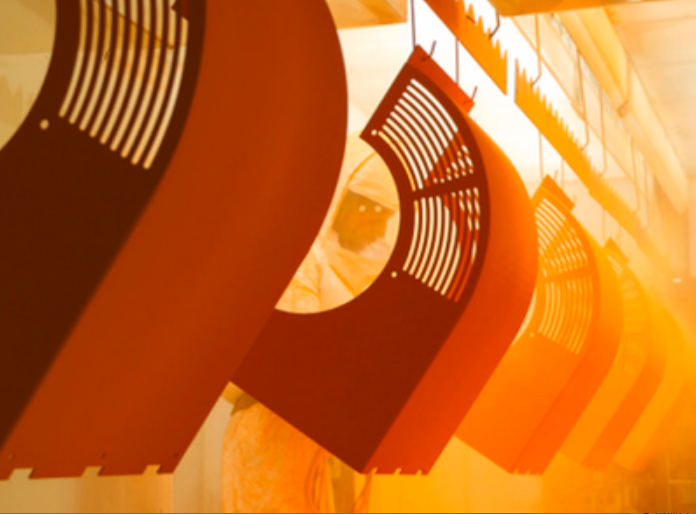
If you’re working with small batches, you don’t need a massive industrial oven. You just need a way to get those polymer resins to cure without ruining the part. That’s where our countertop heaters come in. We designed them to hit the right temperature fast, so the powder flows and locks in perfectly without cooking your substrate.
The Heat Stuff: Why Speed Matters
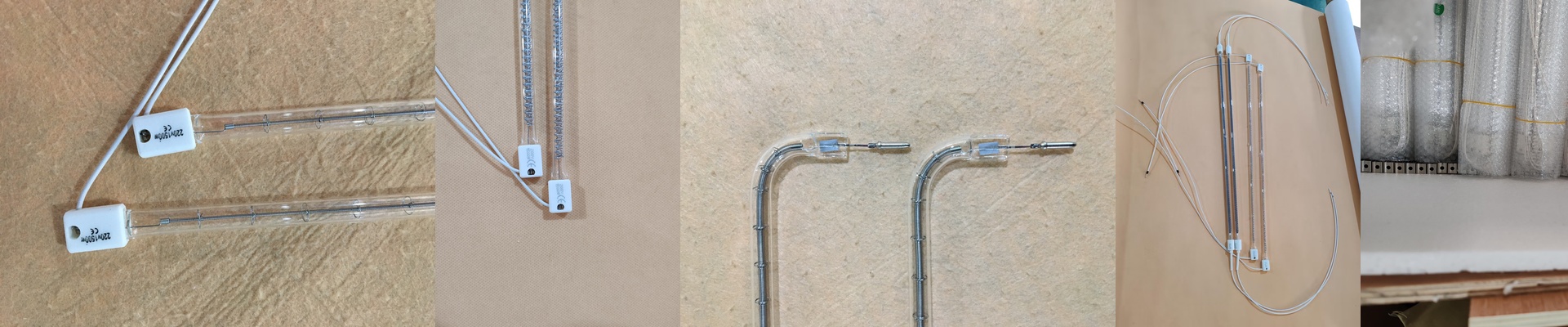
When you’re limited by desk space, you can’t afford a slow warm-up. You need to hit that 160°C to 200°C sweet spot in seconds, not minutes. We use short-wave IR emitters for this. Why? Because they punch through the powder layer way faster than the medium or long-wave options. It means your parts spend less time sitting there. **One quick tip:**check your power supply. These high-wattage elements can pull a lot of juice when they first kick on. If your wiring isn’t up to it, you’re going to be tripping breakers all day.
How It’s Built (And Where to Be Careful)
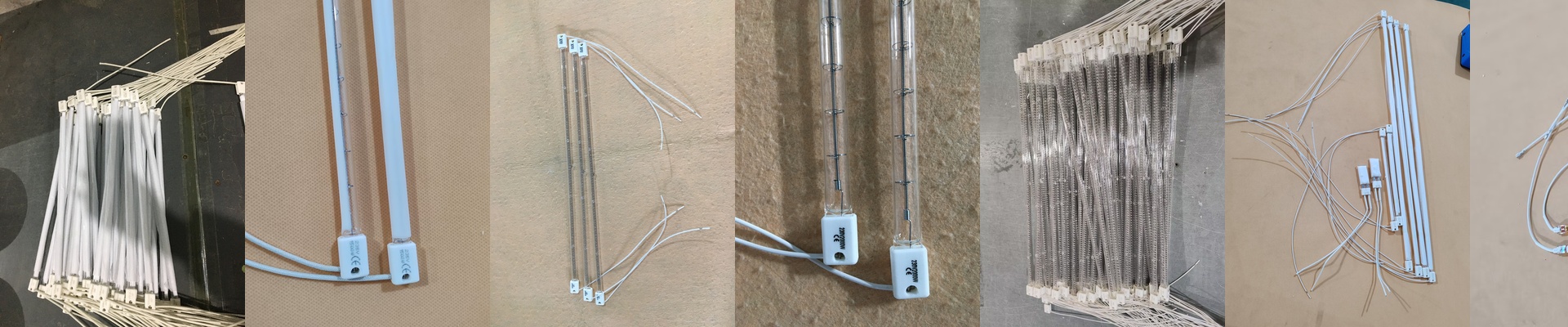
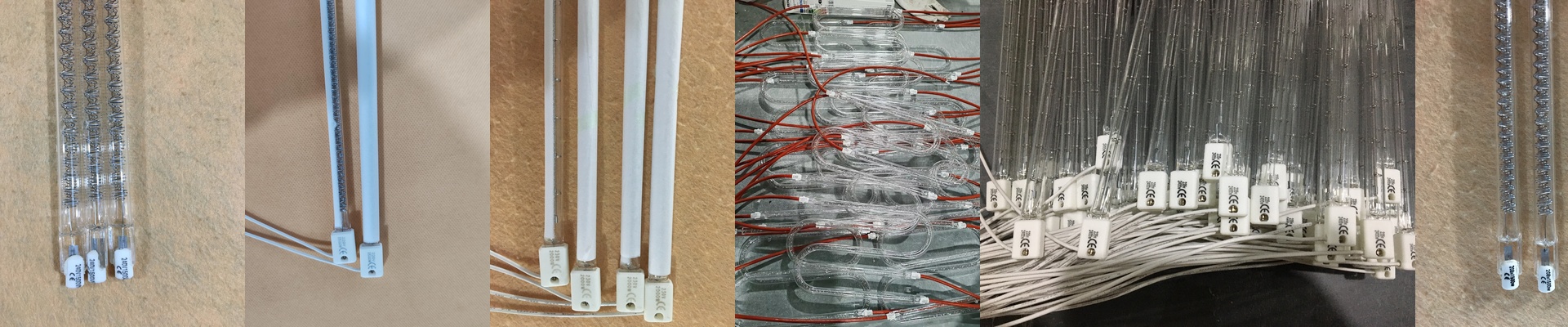
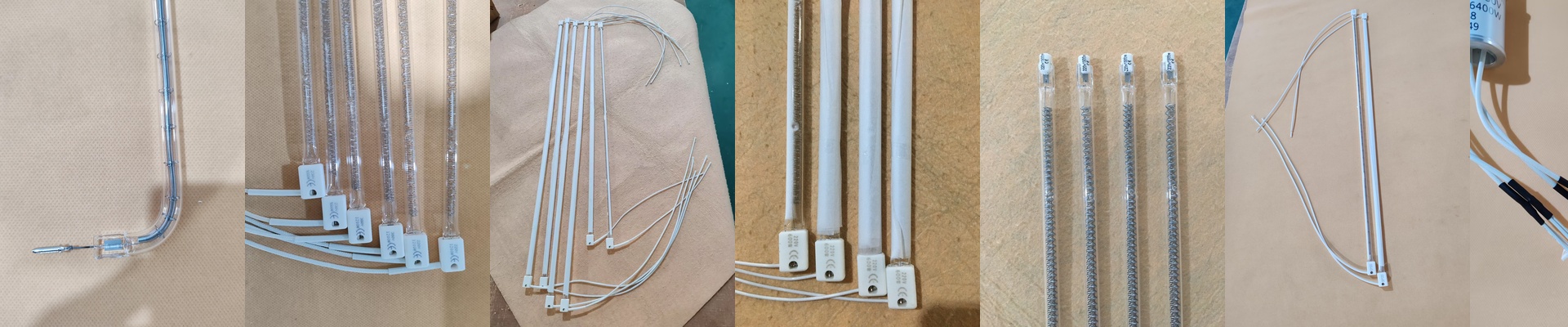
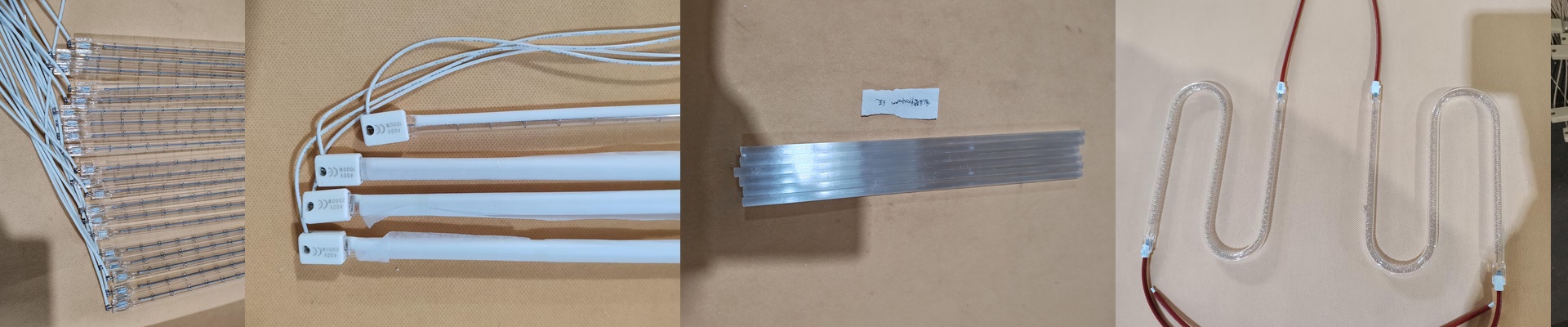
We wrap the heating elements in quartz glass. It keeps things clean and handles the heat swings without cracking. Plus, we use reinforced connectors so the wiring doesn’t just fry after a few months of heavy use. Inside, there’s a reflective chamber. It basically bounces the heat back onto your workpiece so you aren’t wasting energy heating up the air in your shop. But here’s the catch:**quartz is fragile.**It’s great for heat, but it hates being hit. If you’re tossing heavy metal castings into the heater, one wrong move and you’ve got a cracked element. If your team is handling heavy stuff, do yourself a favor and install some protective guards.
Keeping Your Shop Running
In the middle of a big job, a burnt-out element is a nightmare. It stops everything. The worst part? Waiting weeks for some corporate OEM office to “approve” a replacement part while your project gathers dust. We don’t do that. If something breaks, just call us. We provide 24-hour support to get a drop-in replacement sent your way immediately. We care about the voltage, the wattage, and the dimensions—not the paperwork. Your line keeps moving, and you get back to work.