Technical Deep-Dive: Power, Voltage, and Dimensions
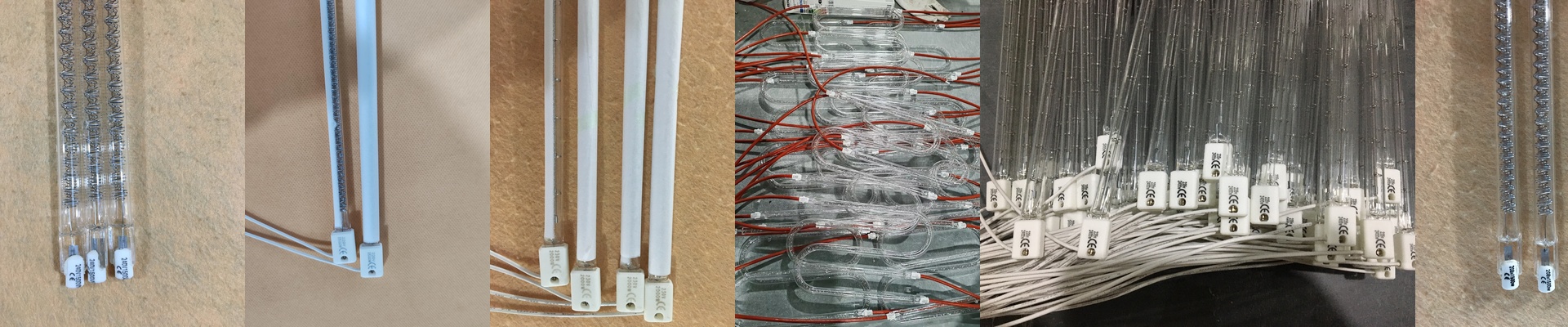
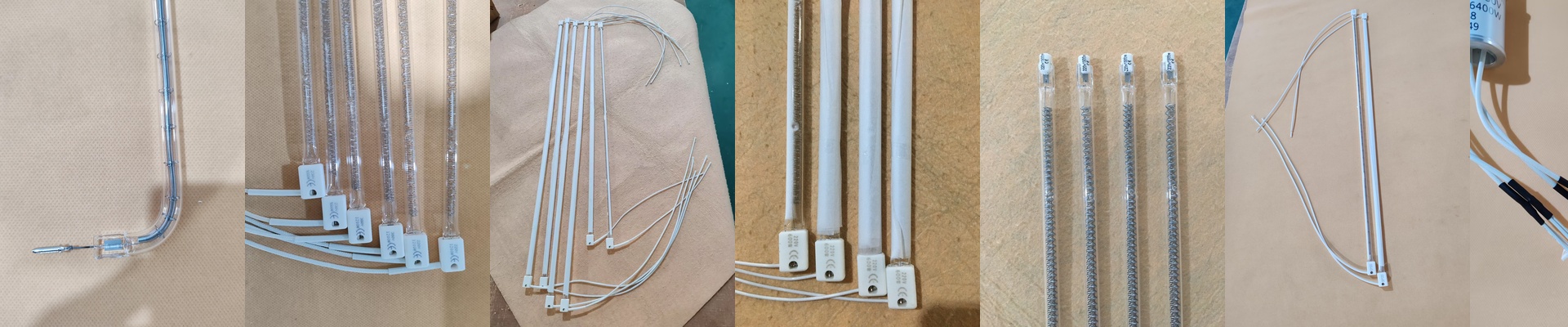
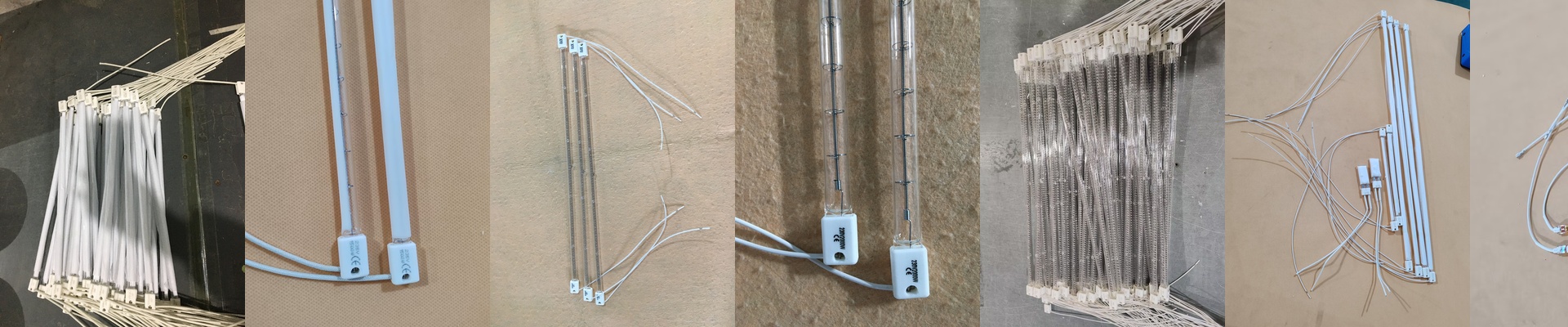
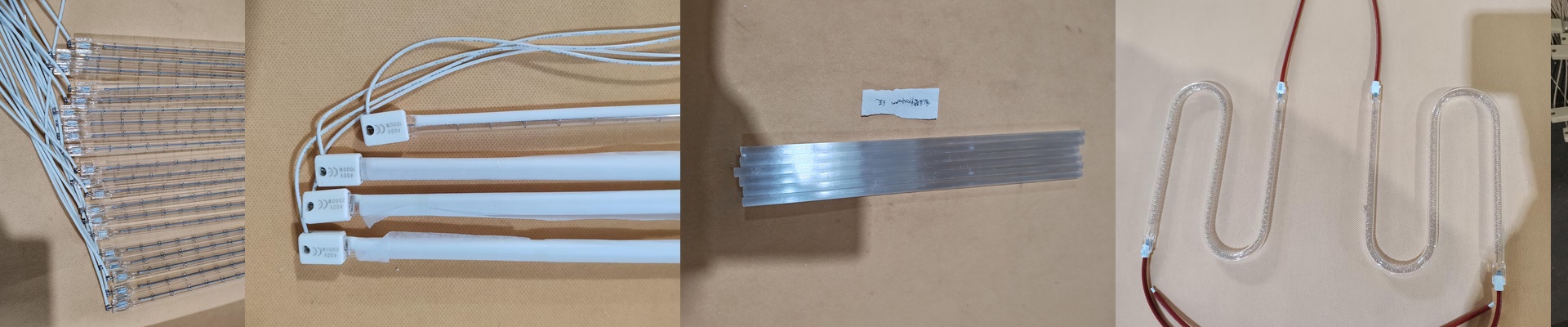
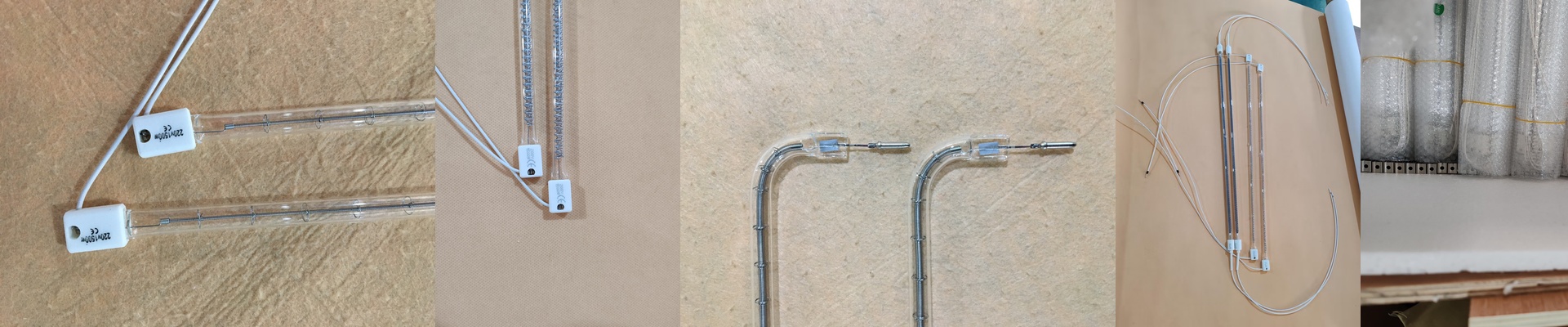
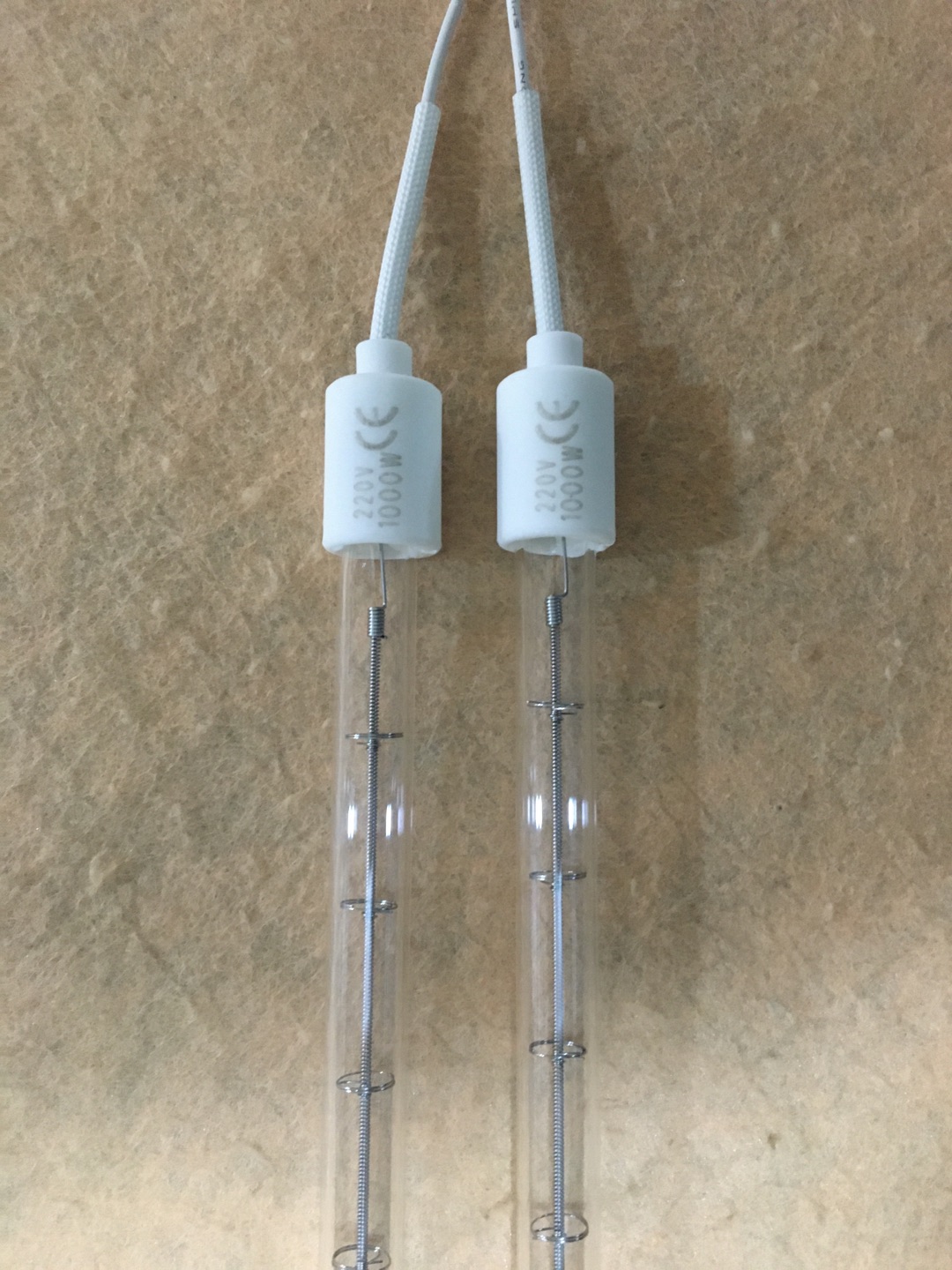
We built this quartz halogen heater lamp for one reason: to pack a ton of heat into a small space. The heart of it is the 2kW rating. That’s how it delivers the concentrated radiant heat that demanding industrial jobs demand. Of course, that kind of power needs a serious electrical design. So, the lamp runs on either 230V or 400V, which lines up perfectly with the standard industrial control panels and transformers you’re already using. Here’s the neat part: if you spec it out on a 400V line, you cut the current draw by about half compared to a 230V circuit. That means you can use smaller cables and put less stress on your contactors. The physical design is all about fitting into tight spots. The tube is around 300mm long, giving you just enough radiating surface to project a stable heat pattern without taking over your machine room.
Material & Design: Quartz, Halogen, and Connectors
We chose quartz for the envelope, not regular glass. Why? Because quartz can handle the thermal shock of rapid on/off cycles and stays rock-solid at high temperatures. Inside, the halogen cycle keeps the filament clean. It works by redepositing evaporated tungsten back onto the filament. This keeps the output stable over the life of the lamp and prevents that annoying blackening. Many versions also have a gold coating on the quartz. It reflects infrared back onto the filament, which boosts efficiency and directs more of that radiant energy forward. For installation, we use the standard R7s base. It’s a double-ended linear connector that locks in place and handles the current safely. The contacts are solid, and the ceramic body is built to take the heat.
Application & Benefits: Speed, Control, and Reliability
When you need fast response and precise control, this lamp really shines. It hits full output within seconds of turning on, so you can run short cycles without waiting around for a heater block to warm up. Plus, the radiant heat goes straight to the work, so you’re not wasting energy heating up the surrounding cabinet. It’s perfect for plastic heating, sealing, curing, and component testing. Now, it’s tough, but with high power density comes a little trade-off. You’ve got to manage the cooling and make sure the target material is at the right distance to avoid overheating. But when you need a drop-in replacement for a 2kW heater, this setup gives you predictable output, straightforward wiring, and performance you can count on, every single time.