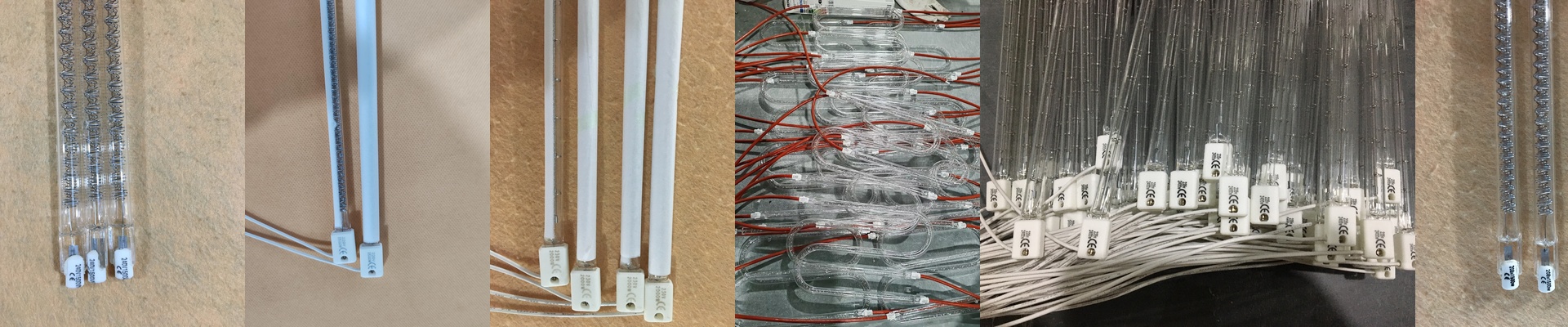
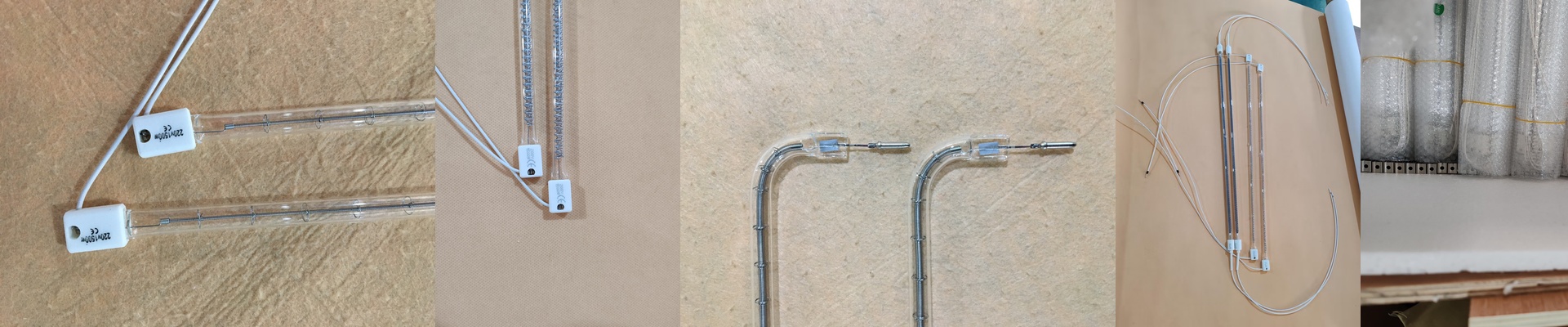
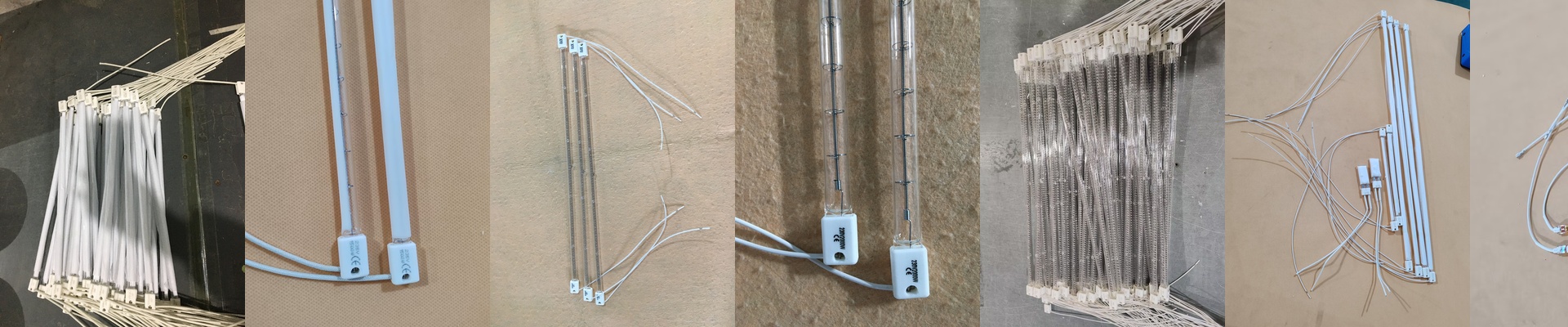
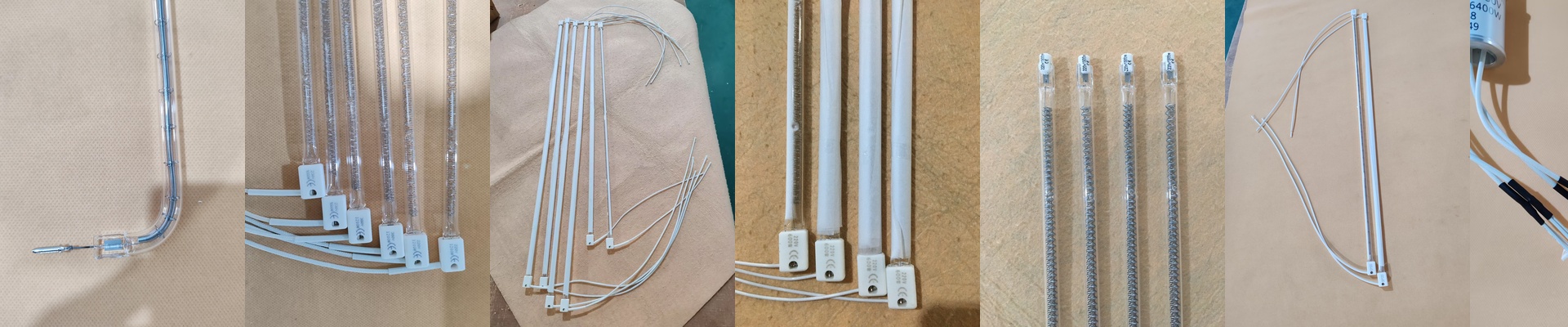
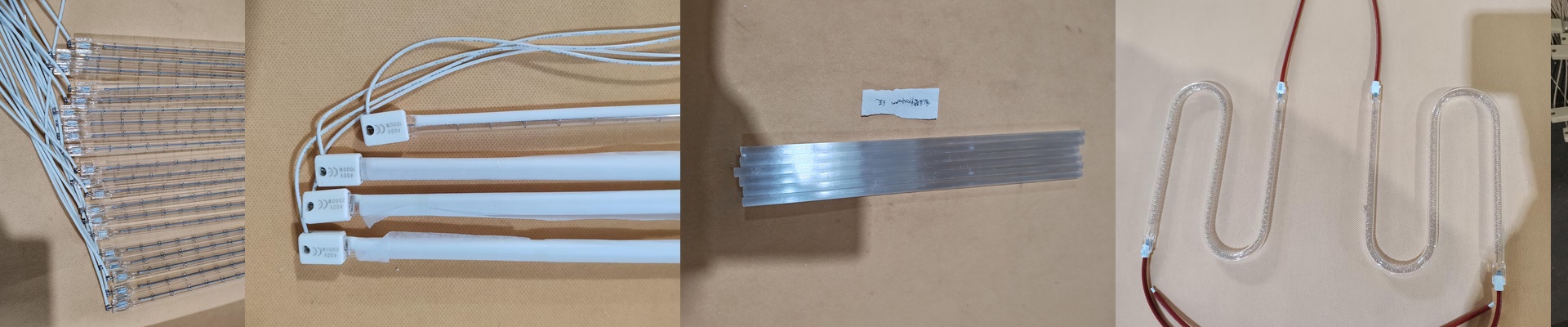
Meet the R7s halogen tube. It’s a compact, linear infrared heater, built for industrial machines where space is at a premium and heat needs to flip on the instant you need it. We lean on these tubes for process heating—plastic forming, drying, curing—where you want a fast response and a steady heat profile, all without taking up a ton of room.
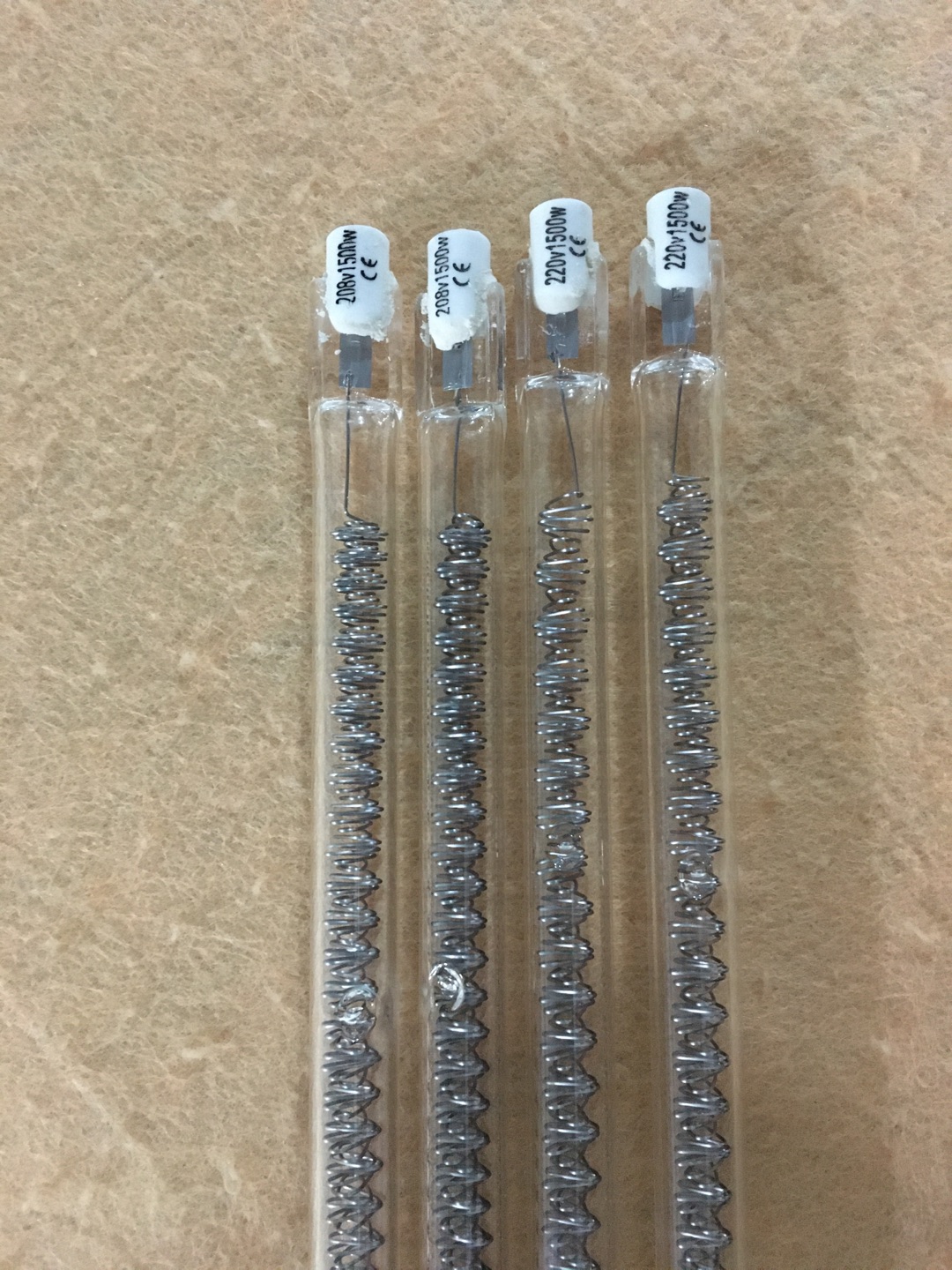
Here’s the thing about power, voltage, and size. The R7s is defined by its shape and its electrical specs. The R7s base sets the overall length and the two-pin footprint, so it drops straight into standard ceramic holders. Most come in around 300mm long—just enough emitting surface to create a uniform hot zone, without swallowing space inside your machine. Wattage and voltage are matched to what you’re actually doing. High-wattage versions can hit 2500W, often running on 400V. The trade-off is real: more power density means faster heat-up and higher temps, but it also means your control gear and cooling have to be up to the job. If you’re running 2500W inside a tight reflector, you’ll need proper airflow or heat sinking to keep components and wiring from overheating. Let’s talk materials and design. The envelope is quartz. Quartz can handle high filament temperatures and resists thermal shock, so the tube can cycle on and off without cracking. Inside, the halogen cycle keeps the filament clean by redepositing evaporated tungsten. That stabilizes output over the life of the tube and cuts down on blackening that would otherwise steal heat. The R7s connector isn’t just a detail—it sets the alignment and the electrical contact. The bi-pin design keeps wiring simple and replacements quick. If you need an even tighter fit in a crowded machine, you can go with the shorter Sk15, but the R7s is the standard for most industrial retrofits. In practice, the R7s is heat on demand. It gets up to temperature fast, so you can run short cycles without waiting around. The compact shape slips into existing enclosures, so you can boost heat output without redesigning the whole machine. We see this setup where you need focused infrared energy—spot heating, strip heating, localized drying. The halogen chemistry and quartz body keep output steady, and the R7s footprint makes swapping tubes straightforward. Just remember: high power density delivers performance, but you need cooling and electrical interfaces that are properly matched to the load.