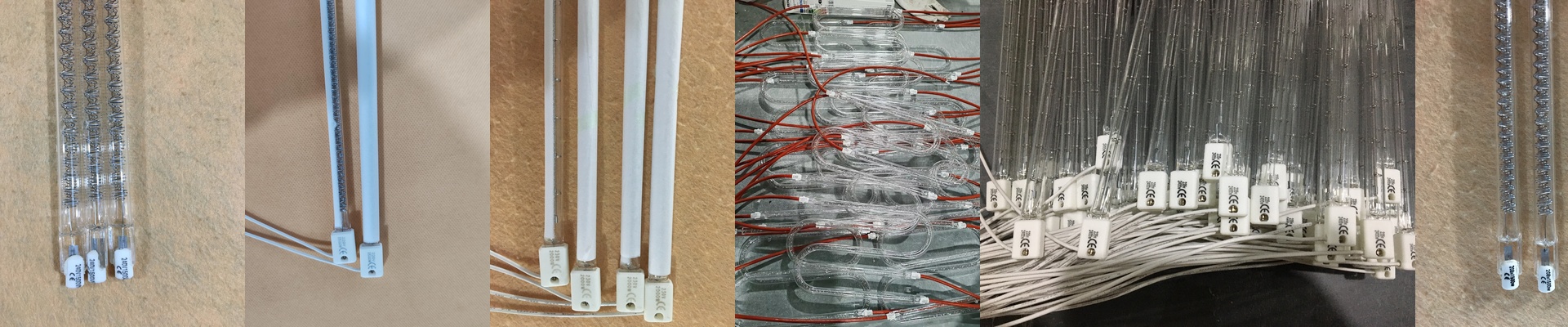
Stop Just Buying Lamps. Start Fixing Your Line.
Most suppliers are just shipping companies. They send you a box of lamps, wish you luck, and call it a day. We don’t do that. To us, your coating line is one big thermal puzzle. The lamp is just one piece of it. When people talk about “sustainability” in industrial heating, it usually sounds like corporate fluff. For us, it’s actually pretty simple: we just make sure the infrared wavelength actually matches your coating and substrate.
Getting the physics right
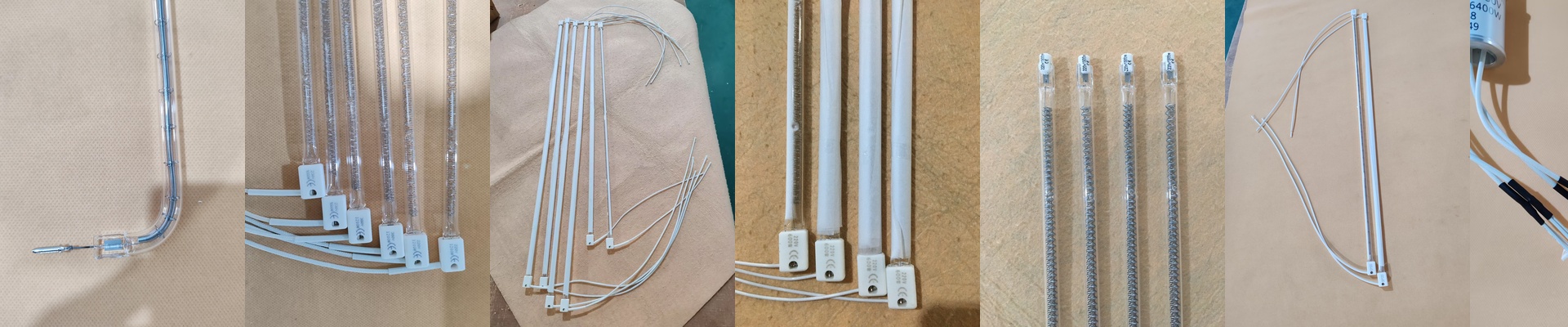
Here’s the thing: if you use the wrong spectrum, you’re basically throwing money into the air. Imagine using a long-wave emitter on a thin film that only likes short-wave radiation. You aren’t heating the part; you’re just heating the oven walls. It’s a waste. We help you nail the quartz density and filament temperature so the heat actually sinks into the coating. That means your parts spend less time in the oven. Faster lines, lower power bills. It’s a win-win.
The gritty details of hardware
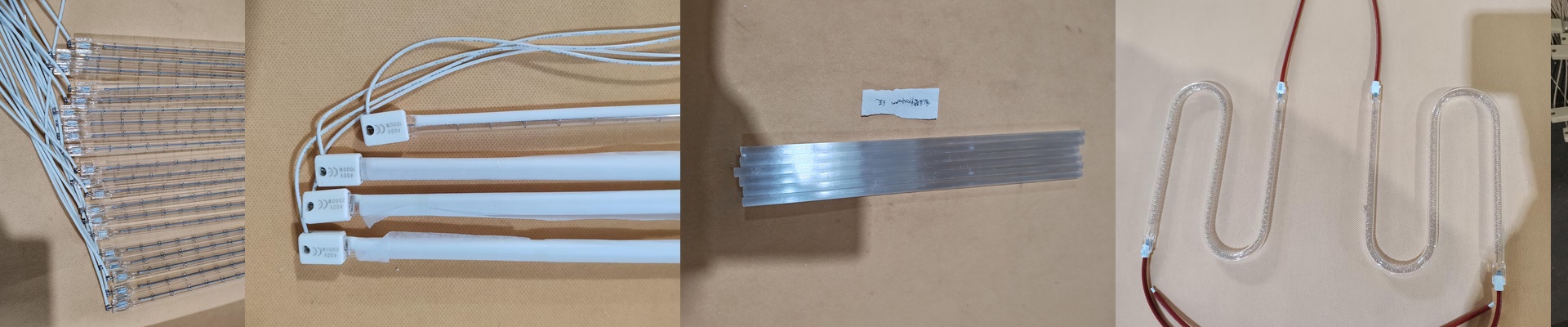
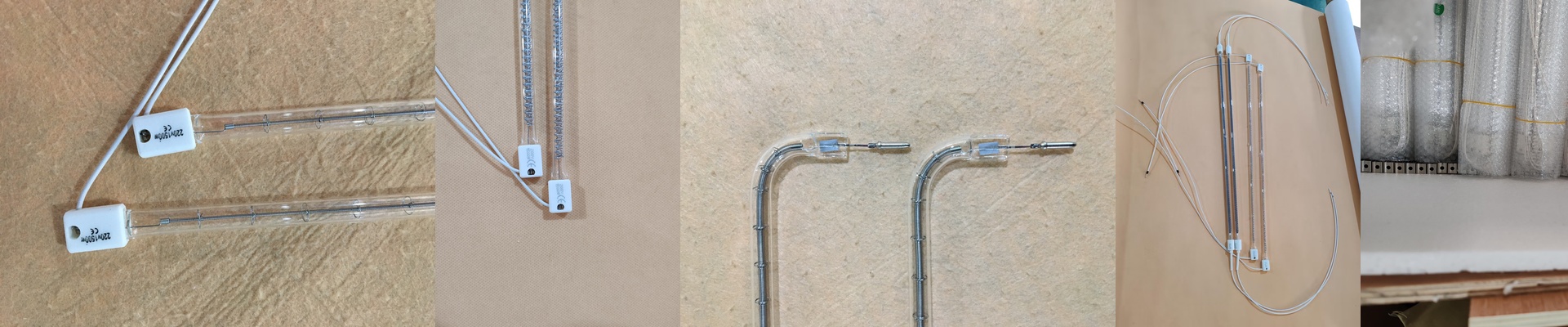
It’s not just about whether a connector fits. It’s about the heat. Whether you’re using R7s or SK pins, poor connections create resistance. That resistance turns into heat right at the terminals, which eventually cooks your sockets until they fail. We obsess over the mechanical interface so you don’t have to deal with those annoying breakdowns. Then there’s the balancing act. You can push a tube to its absolute limit to get a lightning-fast cure, but you’re putting a massive amount of stress on the quartz. If you run everything at 110% just to hit a quota, your lamps are going to burn out way faster. We’ll help you find that sweet spot—where your parts cure perfectly, but you aren’t blowing your entire maintenance budget on replacement bulbs.
A better way to handle the process
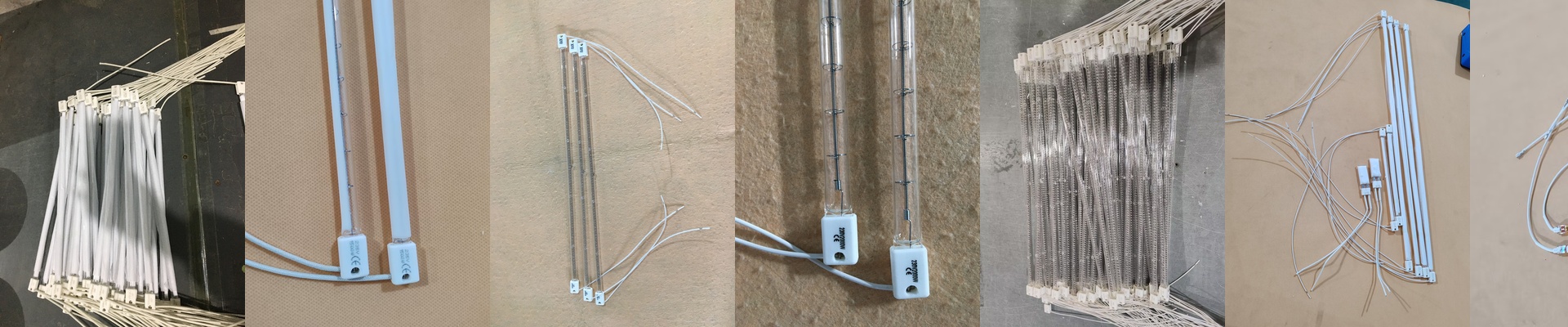
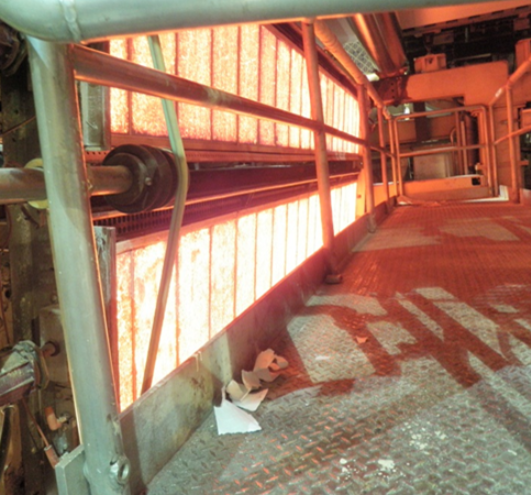
Think of us as your technical partners. We’ll take a look at your temperature profiles and find where you’re over-shooting. Often, we can kill off those frustrating “cold spots” on the conveyor just by tweaking the lamp layout or adjusting the reflector angles. No extra power needed. Just a smarter setup.