Introduction
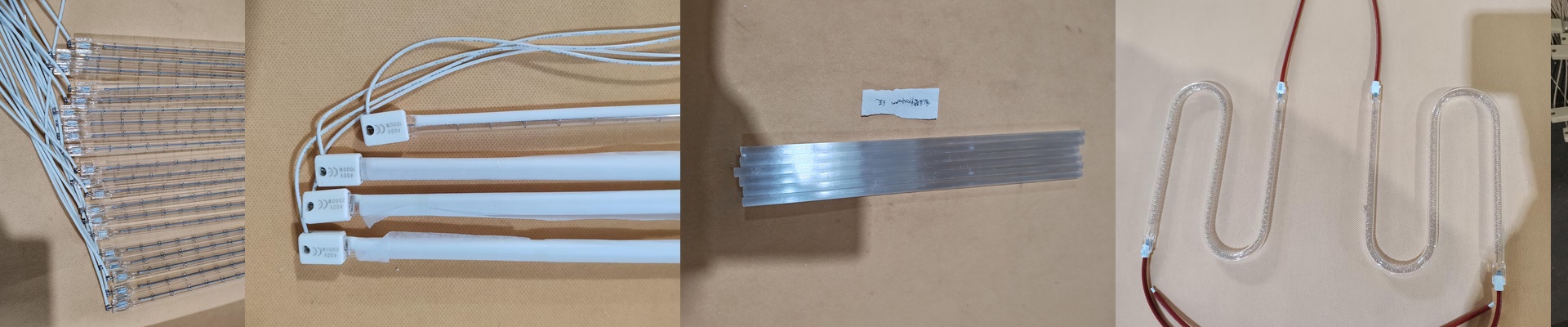
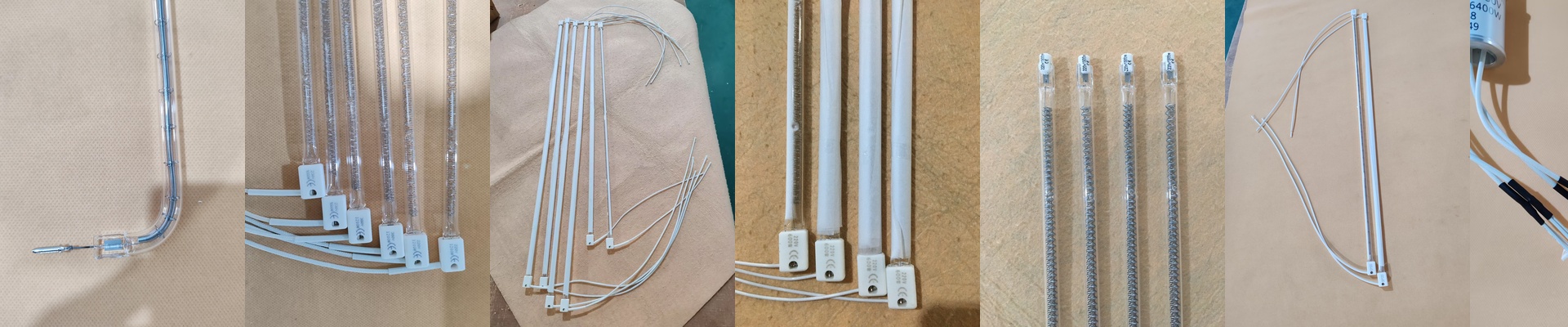
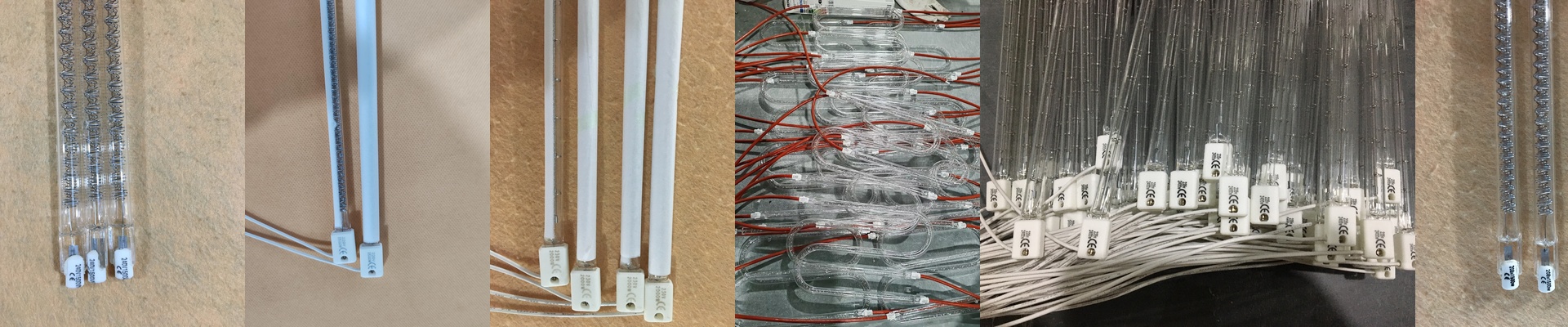
We build halogen infrared heating lamps for engineers who need serious, controlled heat in a tight spot. The heart of the design is simple: a quartz envelope, a halogen gas inside, and a high-wattage filament. Together, they give you heat that turns on fast and stays steady. These lamps are built for industrial work, where keeping the temperature consistent matters way more than how it looks.
Power, Voltage, and Size—What You Actually Need
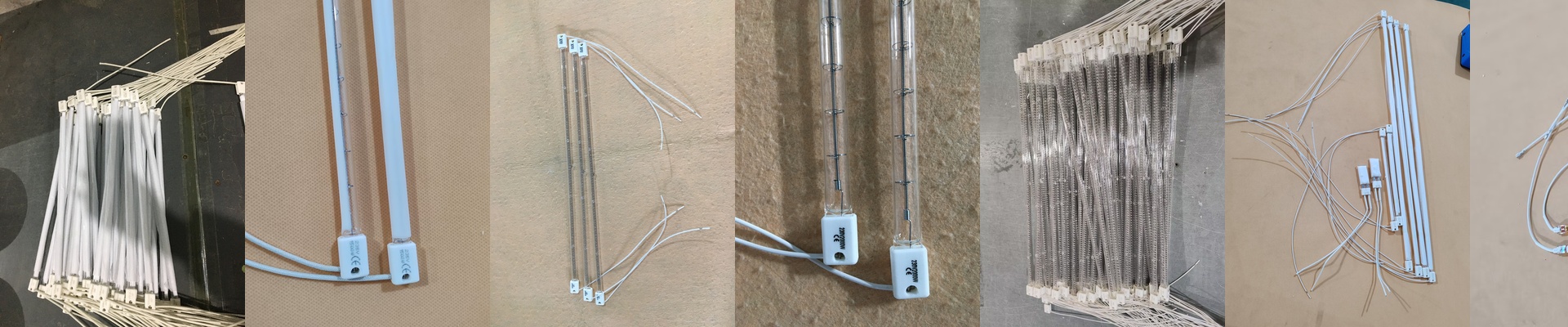
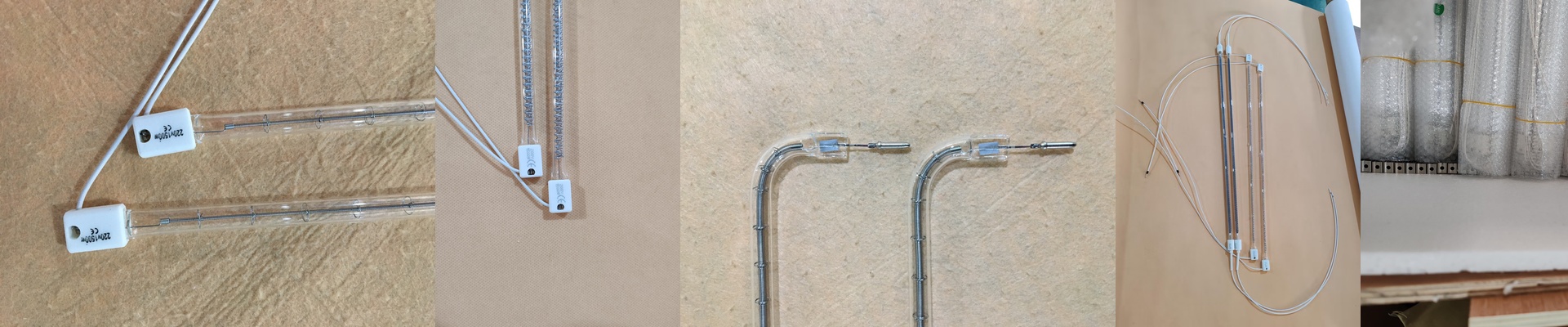
These lamps are sized for a specific heat load and a specific mounting space. A typical unit hits 2500W, with voltage options like 400V to match industrial power supplies and keep wiring current manageable. The tube runs around 300mm long, so you get a compact footprint that focuses energy on a small target. That power density is a double-edged sword. High wattage means a hot surface and quick thermal response, but it also means you need solid thermal management on the machine side. If your enclosure is cramped, plan for airflow and shielding so nearby components don’t bake.
Materials and Design: The Details That Keep It Running
The envelope is quartz, not regular glass, because quartz handles high temperatures and transmits infrared energy cleanly. Inside, the halogen cycle keeps the filament from getting gunked up by redepositing evaporated material back onto the hot zone. That keeps output stable over the life of the lamp and prevents blackening that would steal wattage. For termination, we use R7s bases. They make solid contact and turn the lamp into an easy drop-in replacement in many existing fixtures. The connector design supports quick swaps on the line—because when you’re running maintenance windows, you need speed, not paperwork.
Where It Shines: Targeted Heat for Real Industrial Work
These lamps are at home wherever you need fast, localized heating—think plastic softening, adhesive curing, and component drying. The infrared output delivers energy straight into the part, so you heat the target without wasting time warming the whole machine frame. In practice, that means faster cycle times and better control when you dial the power to match material thickness. Just make sure the lamp matches the reflector geometry and the wattage fits the thermal load. Get the spec right, wire it up, and it performs predictably—shift after shift.