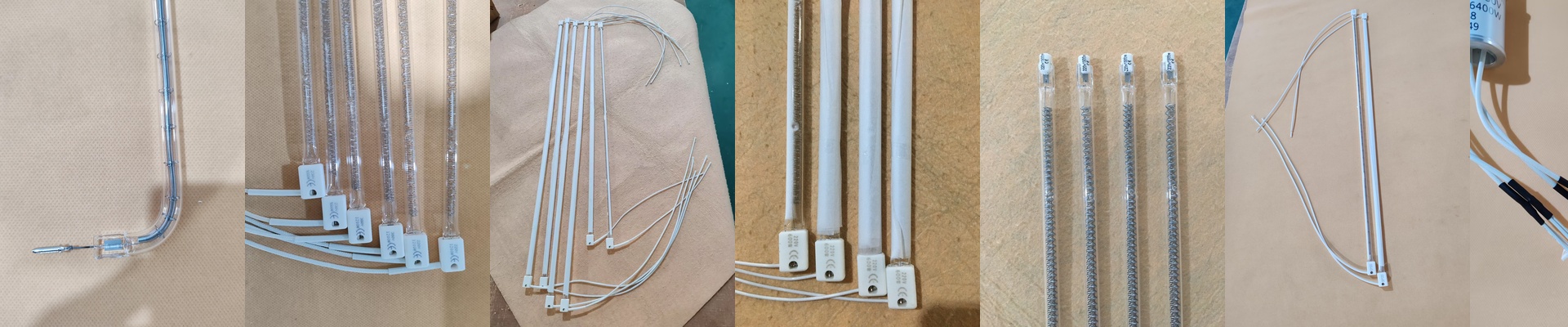
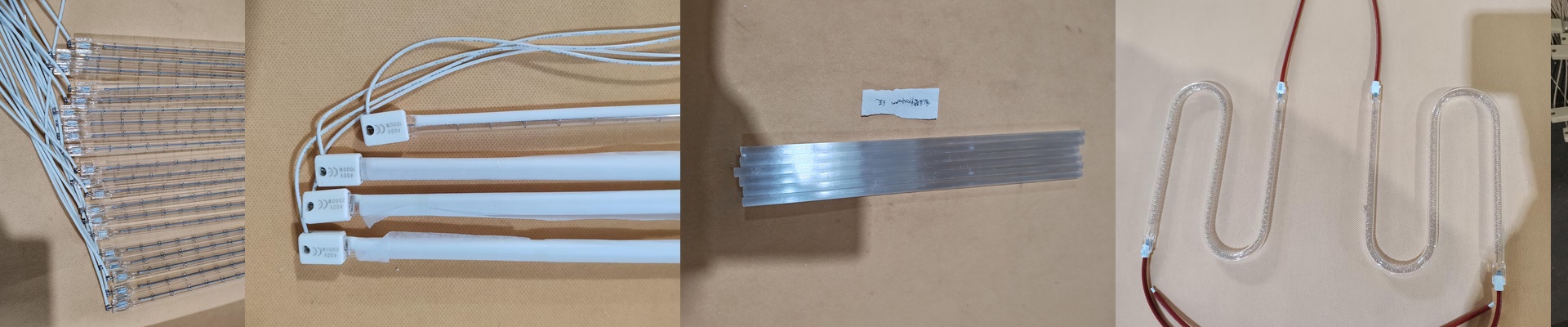
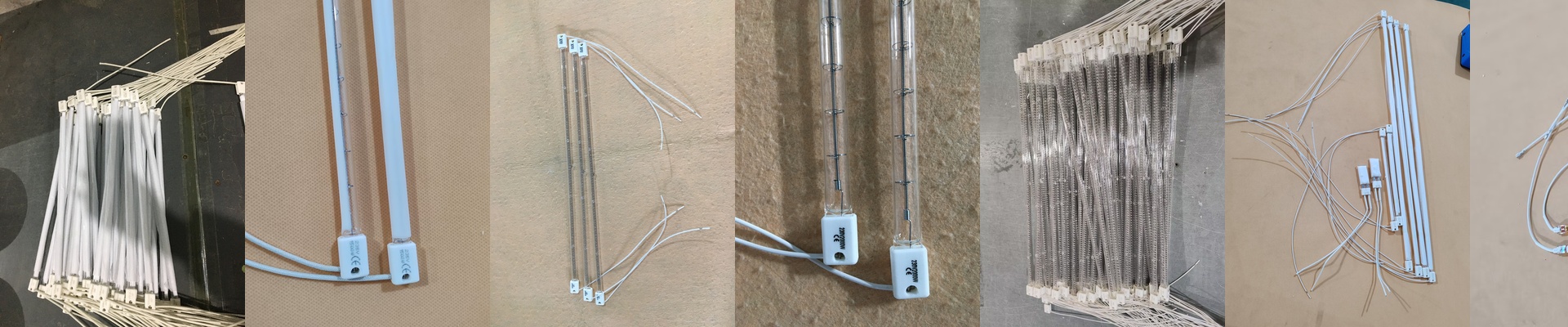
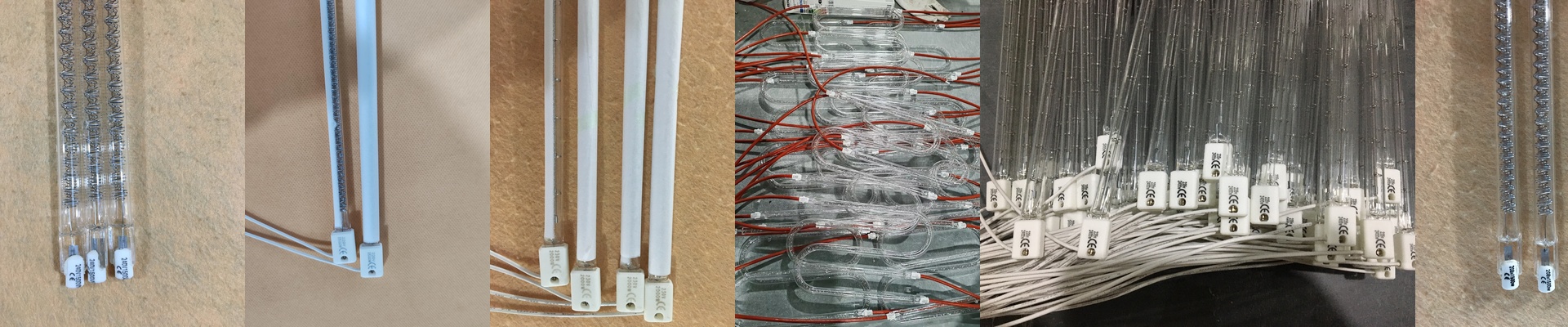
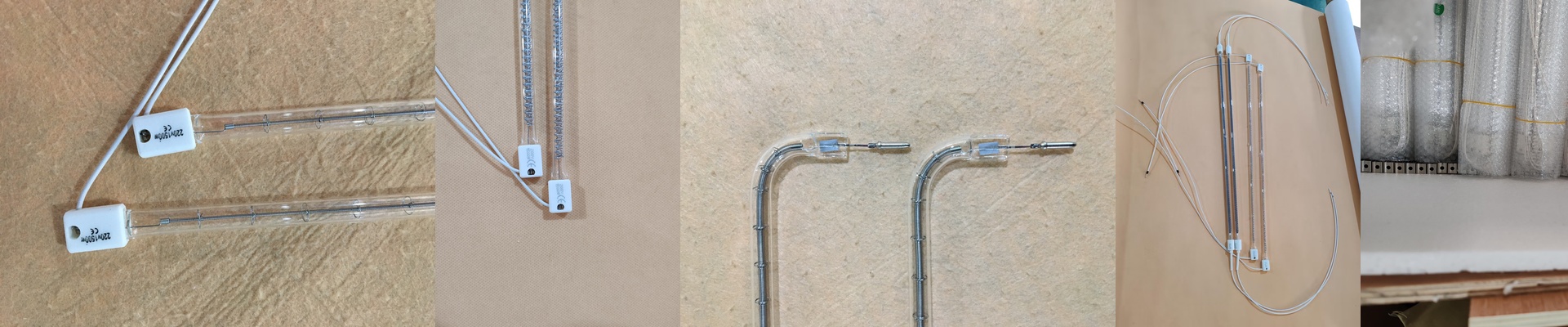
Let’s talk about Quartz Tube Halogen Heating
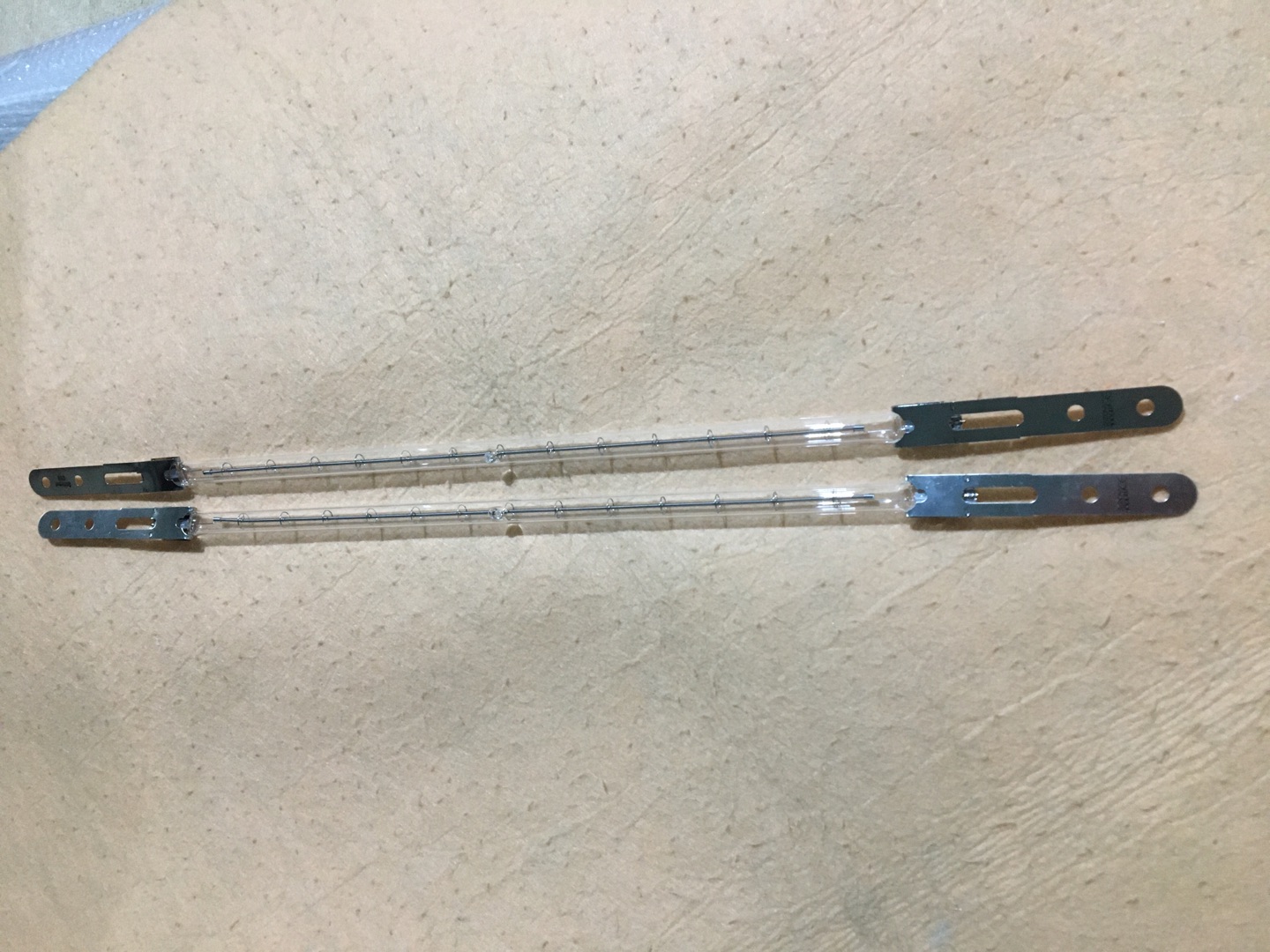
Ever wonder why some heaters hit their target temperature almost instantly while others take forever? It usually comes down to the quartz tube halogen lamp. We make these using high-purity fused quartz. Why? Because these things get incredibly hot, and we need a tube that can handle those wild temperature swings without just snapping. And here’s the cool part: the halogen cycle. In a normal lightbulb, the tungsten evaporates and clouds up the glass over time. But with these, that tungsten actually moves back into the filament. It keeps the tube clear and the heat steady for a lot longer.
Power, Voltage, and the “Burnout” Risk
The heat you get depends on how you pair your wattage and voltage. If you go with a high-voltage 400V setup, you can cram more power into a smaller space. It’s fast. Really fast. But it does put more stress on the filaments. One big warning:**keep your power supply regulated.**If you get a sudden voltage spike, those filaments will pop instantly. It’s a heartbreaking sound, and a waste of a good lamp.
The Little Things (Connectors and Coatings)
We use specific connectors like R7s or Sk15 because a snug fit is everything. If the connection is loose, you get resistance. That leads to overheating right at the terminal, and before you know it, the lamp fails. It’s a simple fix, but it’s where a lot of people go wrong. Plus, some of our tubes have special coatings. These let you “aim” the heat deeper into your material, depending on what you’re actually trying to warm up.
Using Them in the Real World
If you’re doing PET blowing or curing plastics, these are your best friend. They blast out shortwave IR that sinks into the polymer quickly. But there’s a catch. Because the heat is so intense, your reflectors have to bespotlessly clean. A little bit of dust or a smudge of oil can create a “hotspot.” That’s how you end up warping your machine’s housing or getting uneven heat in your product. And don’t forget the airflow. Make sure your cooling fans are up to the task, or the heat will just build up around the housing until things start to fail.