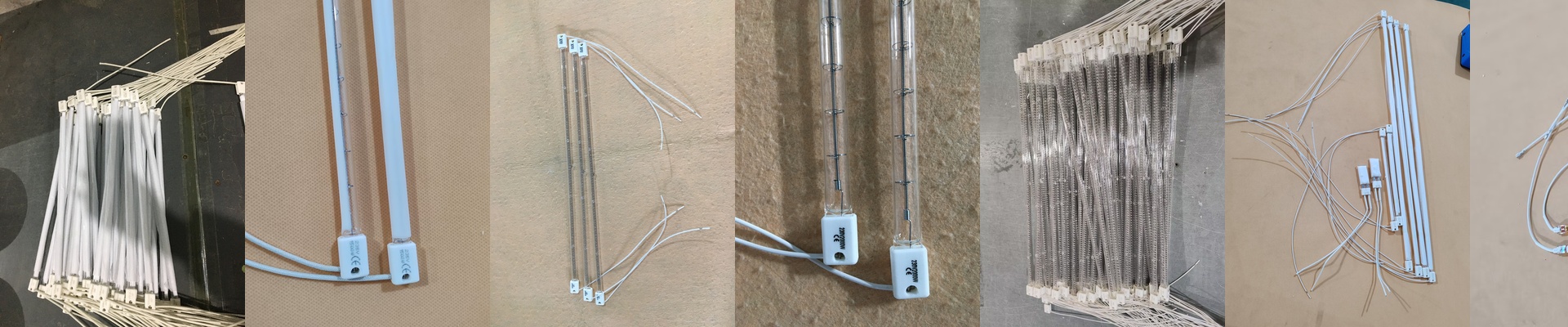
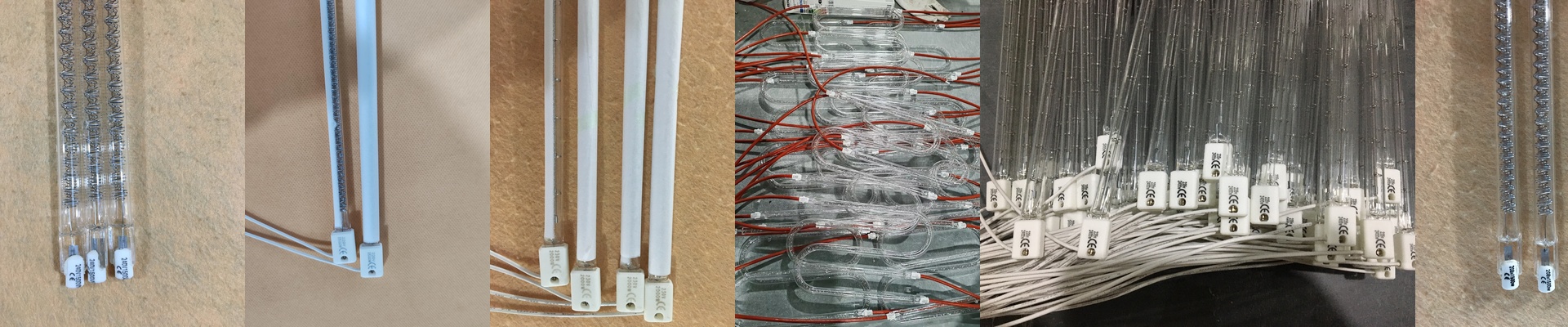
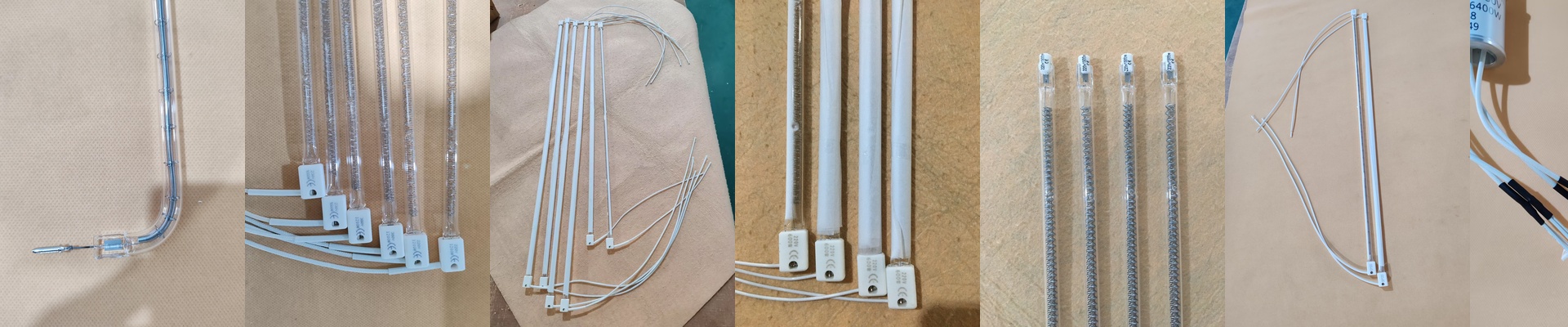
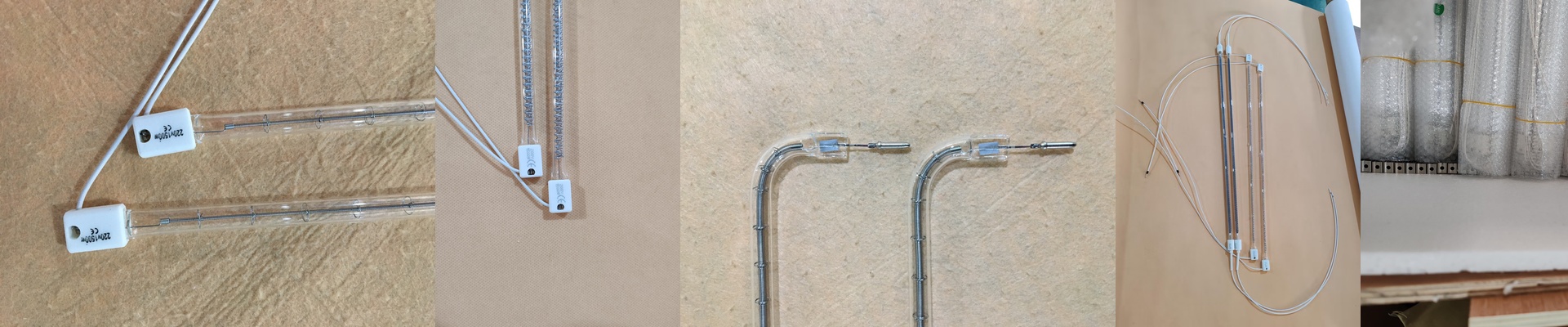
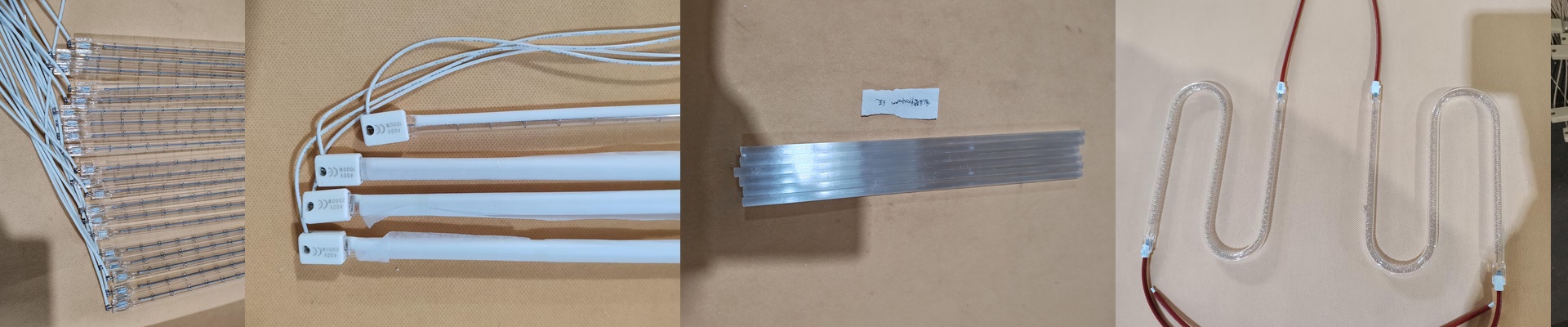
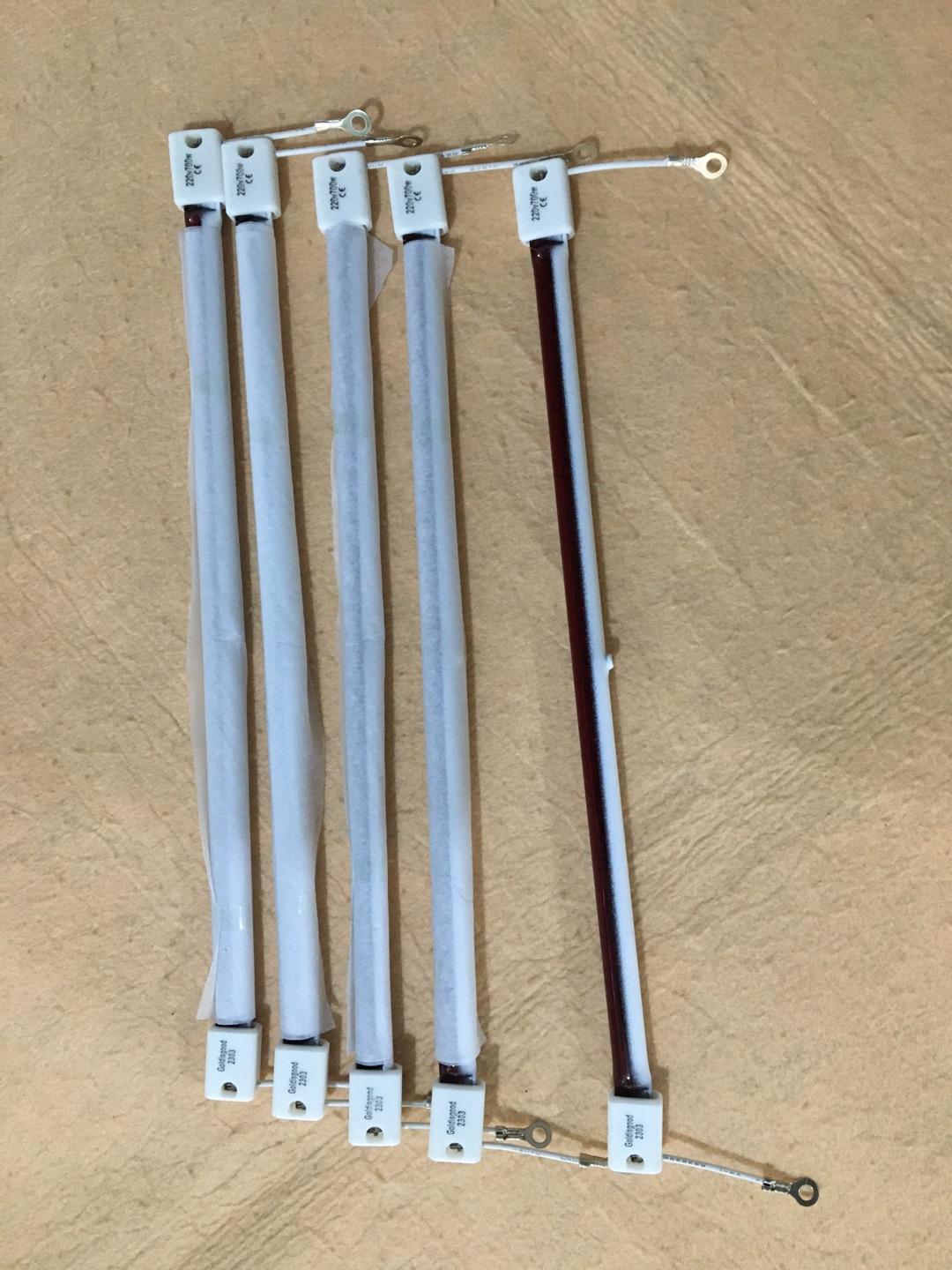
Let’s Talk R7s Halogen Heating Lamps
If you’ve ever worked with R7s halogen lamps, you know they aren’t your typical light bulbs. They’re built for one thing: cranking out serious heat. The secret is in the halogen cycle. It stops the tungsten from evaporating and clouding up the glass, which means we can push the filament to crazy temperatures. More heat, more power, and a lot more energy hitting your target.
Getting the Power Right
Picking the right wattage and voltage is basically a balancing act. If you go with a higher voltage—think 230V or 400V—you can run longer tubes without worrying about your wiring melting. It keeps things safe. Then you’ve got the wattage. Crank that up, and you get a faster warm-up. But here’s the catch: your housing has to be able to handle that extra ambient heat, or you’ll end up frying your sockets.
The Build: Quartz and Quick Swaps
One of the best things about the R7s is the push-in connector. It’s a total lifesaver. When a tube blows, you just pop it out and slide a new one in. No rewiring, no headache. Just a few seconds and you’re back in business. We use high-purity quartz glass because it doesn’t freak out when the temperature jumps. Depending on what you’re doing, you might want a specific coating. Shortwave lamps hit the surface instantly. Longwave ones? They dig deeper into the material.
Using Them in the Real World
You’ll see these everywhere—PET blowing machines, shrink tunnels, curing ovens. The beauty of radiant heat is that it’s instant. You don’t have to sit around waiting for the air to warm up. Just a couple of pro tips from the field: **Watch the vibration.**Since the R7s is a pressure fit, things can wiggle loose if your machine shakes a lot. Check those clips every now and then so you don’t get any nasty arcing. And for the love of everything, keep the glass clean. Don’t touch the quartz with your bare hands. The oils from your fingerprints create hot spots on the glass, and that’s the fastest way to kill a perfectly good tube.