Can you actually save an old powder coating line just by swapping the IR elements?
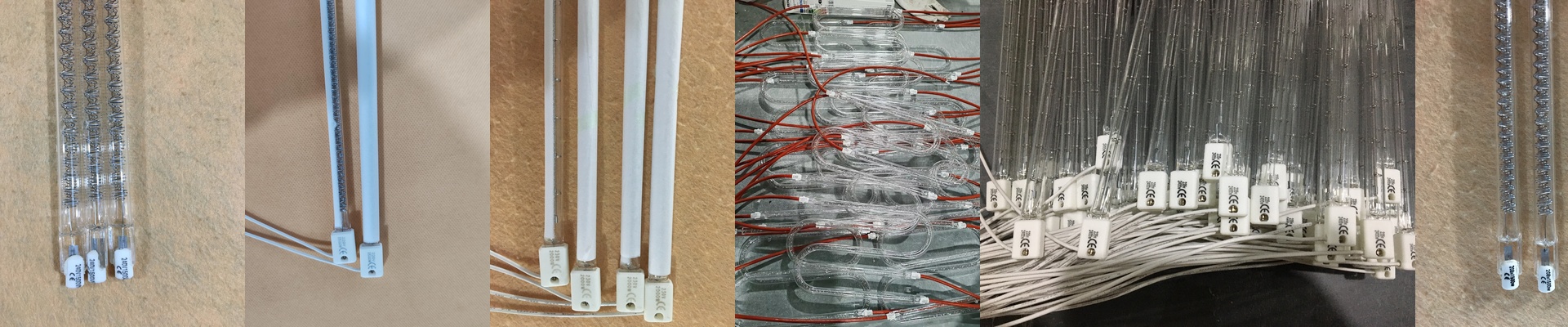
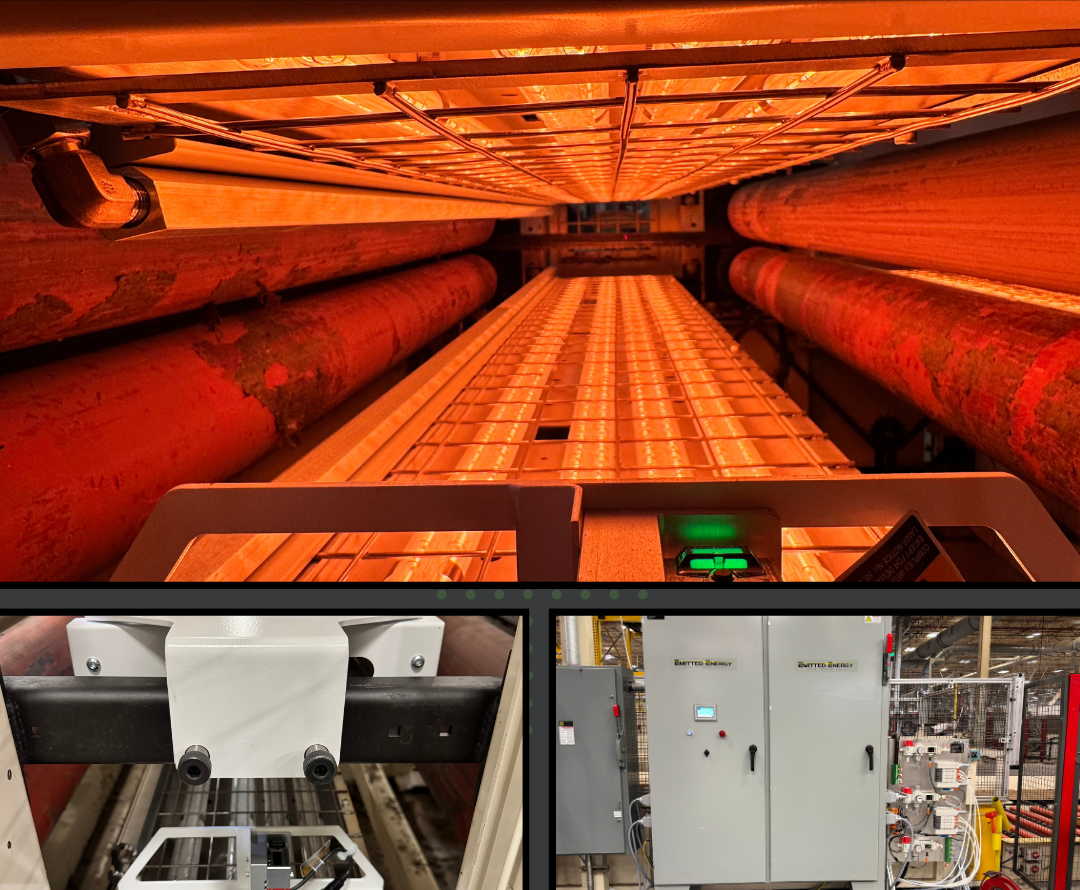
Let’s be honest. A lot of shops are running ovens that are basically energy sinks. They’re old, they leak heat, and the temperature is never quite the same from one end to the other. When you’re staring at a line that’s slowing you down, you have to ask: Is swapping out the old infrared (IR) elements actually going to help? Or are you just throwing good money after bad? Here is the reality. Old IR lamps fade. They lose their punch over time, or they’re running on specs that were outdated a decade ago. When we look at a retrofit, we’re really looking at how the heat hits the part. Short-wave IR is great because it doesn’t just warm up the air—it punches straight through the powder and hits the metal. That’s what gets the powder to melt and flow quickly. If your current lamps are dim or burnt out, moving to high-density quartz elements can seriously cut down the time your parts spend baking. But it’s not as simple as just popping in a new bulb. You can’t just grab the most powerful lamp on the shelf and hope for the best. You’ve got to match the wattage and voltage to what your control panel can actually handle. If you try to force a 2500W element into a circuit built for 1500W, you aren’t getting “extra power.” You’re getting tripped breakers or, worse, melted wiring. We spend a lot of time double-checking the footprints and connectors—whether it’s a standard R7s or some weird custom lead—just to make sure everything fits tight and stays safe. Plus, there’s the “leaky bucket” problem. New lamps make the heat transfer better, but they won’t fix a rusted oven shell or seals that have completely given up. If your oven is breathing heat out onto the factory floor, you’re still wasting money. You’ll definitely see your parts cure faster—which is a huge win for your daily output—but don’t expect your electric bill to plummet if the insulation is shot. You get the speed, but the energy savings depend on the rest of the machine. Still, if you get the power specs right and wire it up properly, you can shave minutes off your cure cycle. It’s a hell of a lot cheaper than buying a whole new line.