Getting Your IR Heating Right for Reggiani Blow Molding
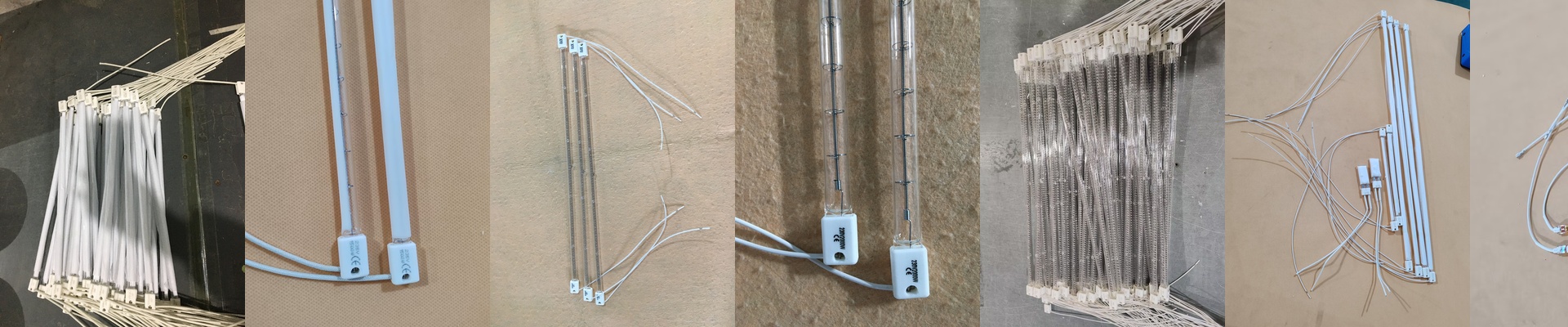
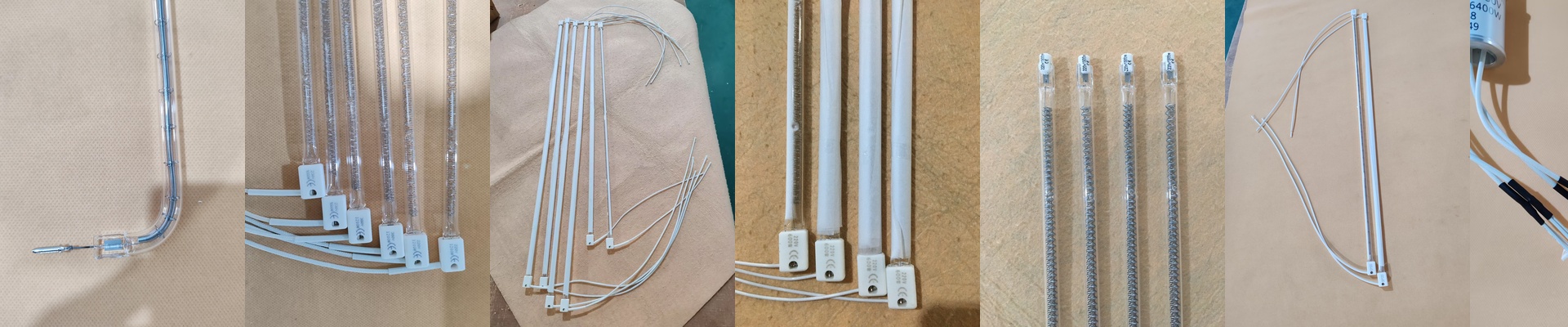
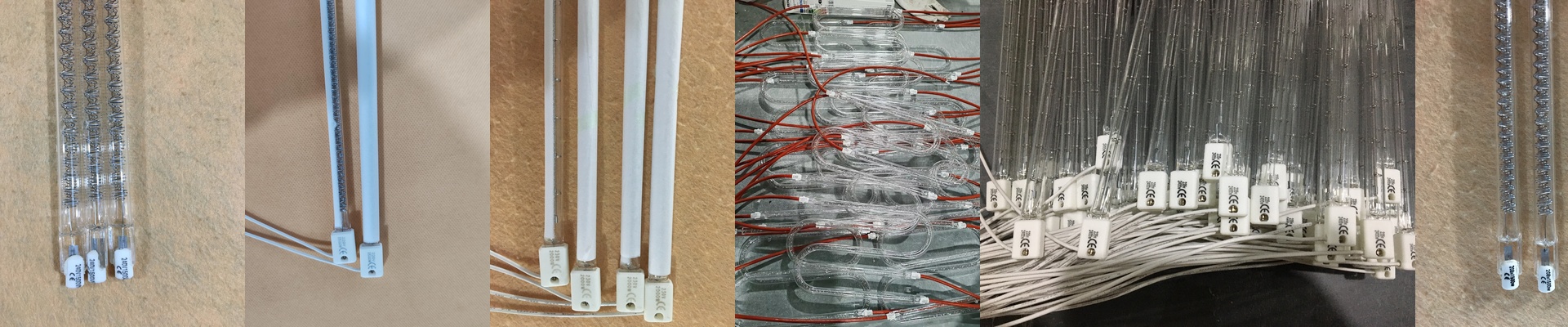
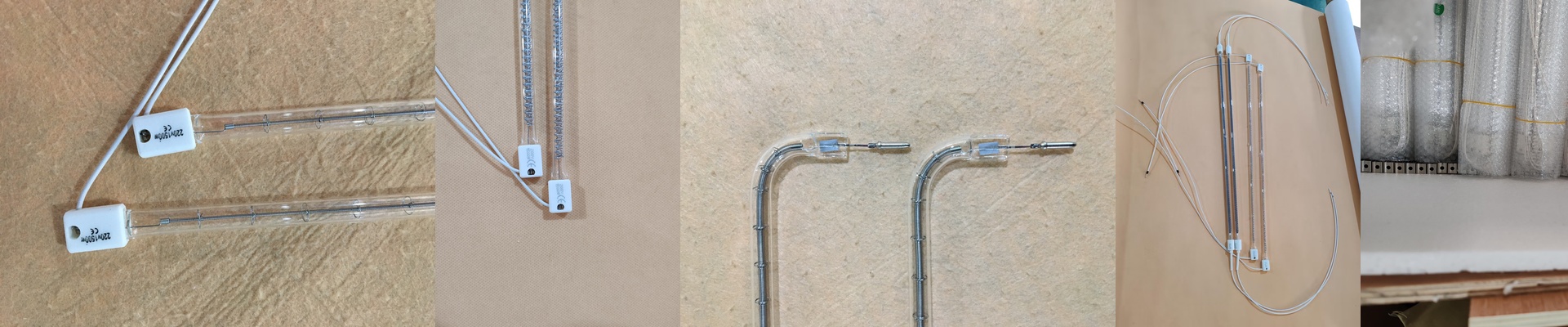
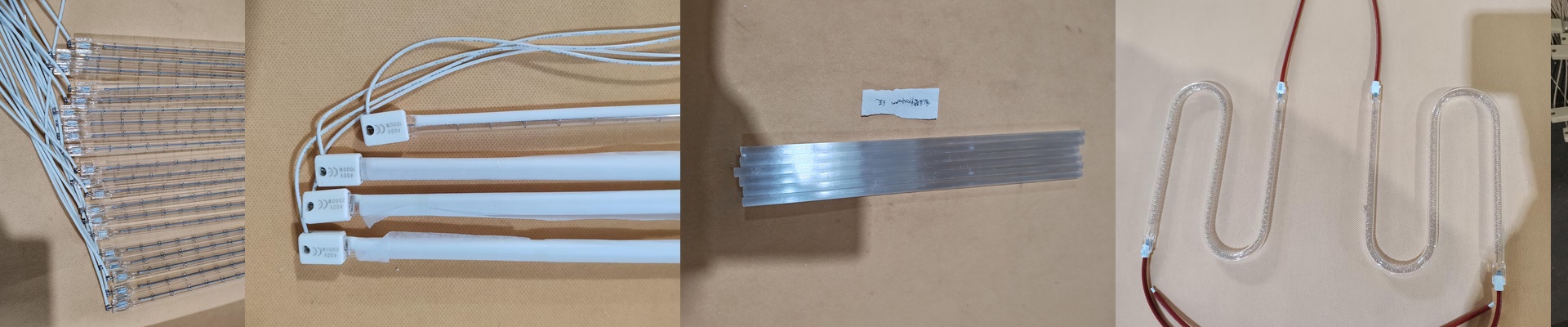
When you’re working with Reggiani machines, you know it’s not just about cranking up the heat. If you just blast the preform, you’ll end up melting the neck before the rest of the bottle is even ready. It’s a delicate balance. That’s why we build our IR lamps to hit a very specific thermal profile. The science part (kept simple) We spend a lot of time obsessing over how PET actually absorbs heat. By tweaking the halogen gas pressure and the thickness of the quartz, we can shift the spectral output. Basically, we make sure the heat sinks deep into the plastic wall fast. We avoid that longwave radiation that just bounces around and heats up your machine frame. Why waste electricity heating the metal when you should be heating the plastic? The gear and the grit For Reggiani setups, we usually go with high-wattage densities. It keeps your cycle times tight, which keeps your production numbers up. Depending on your oven, we use R7s or SK15 connectors. We chose these because when a tube finally burns out, you want to swap it and get back to work in seconds, not hours. We also use high-purity quartz so the lamps don’t crystallize and fail early. One quick tip: if you’re running these at max wattage, check your cooling blowers. If the lamp ends get too hot, you’ll fry the filament. It’s a simple mistake, but it’s a costly one. Finding the sweet spot Here’s the trade-off. High-intensity shortwave lamps get you up to temperature incredibly fast. That’s great for throughput. But, they don’t last quite as long as the medium-wave stuff. We handle this by optimizing the voltage. We make sure the filament isn’t running hotter than it needs to, which helps them last longer without sacrificing speed. The real win here is the consistency. You get a steady heat footprint from one end of the tube to the other. No more “cold spots” in the bottle wall—which means fewer burst preforms and no more worrying about uneven thickness. We calibrate every batch to keep the output within a 5% variance. It just works.