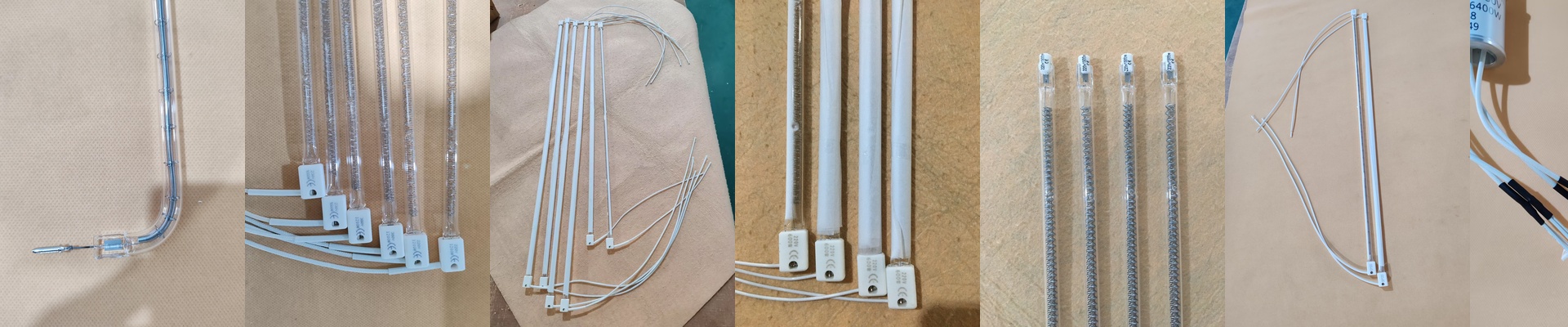
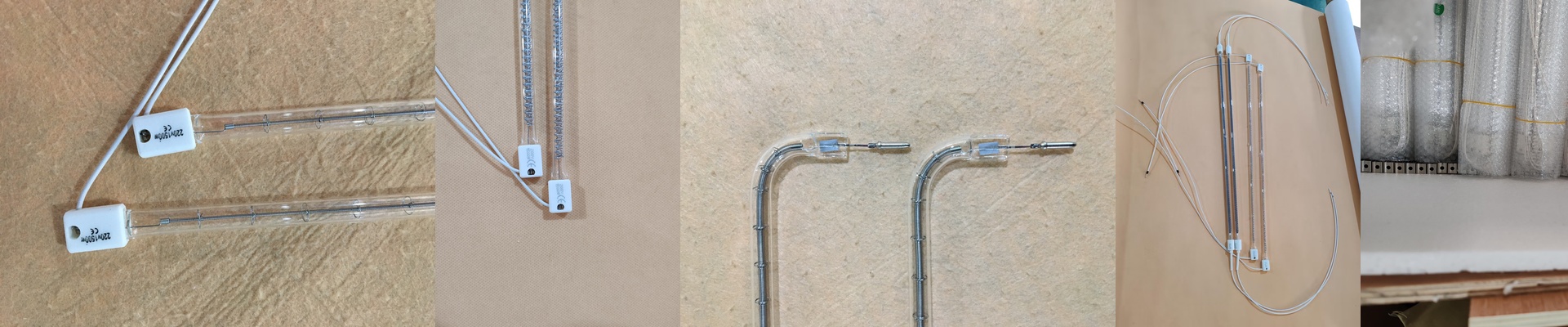
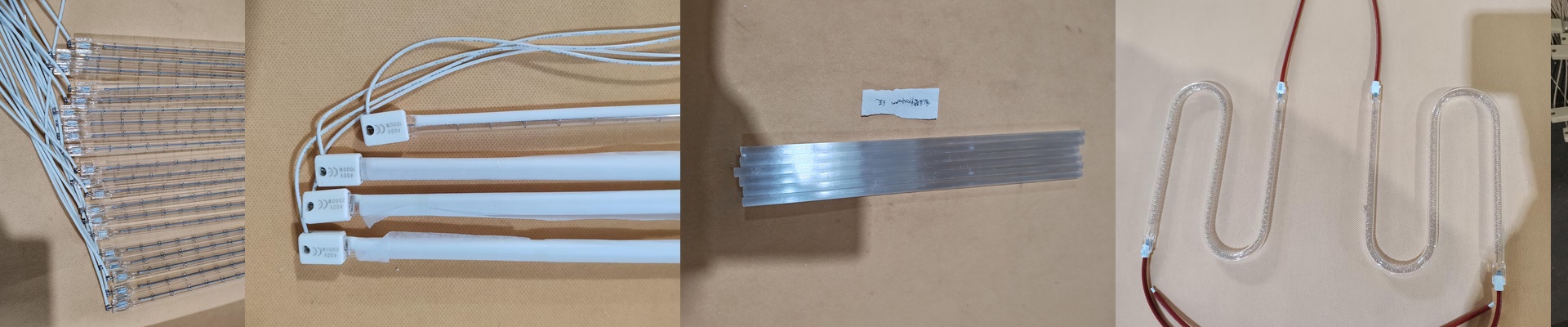
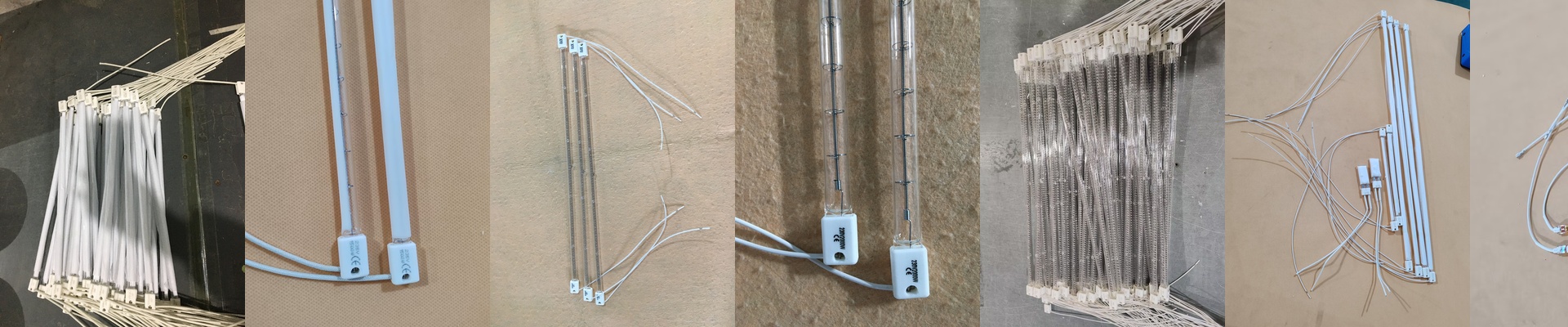
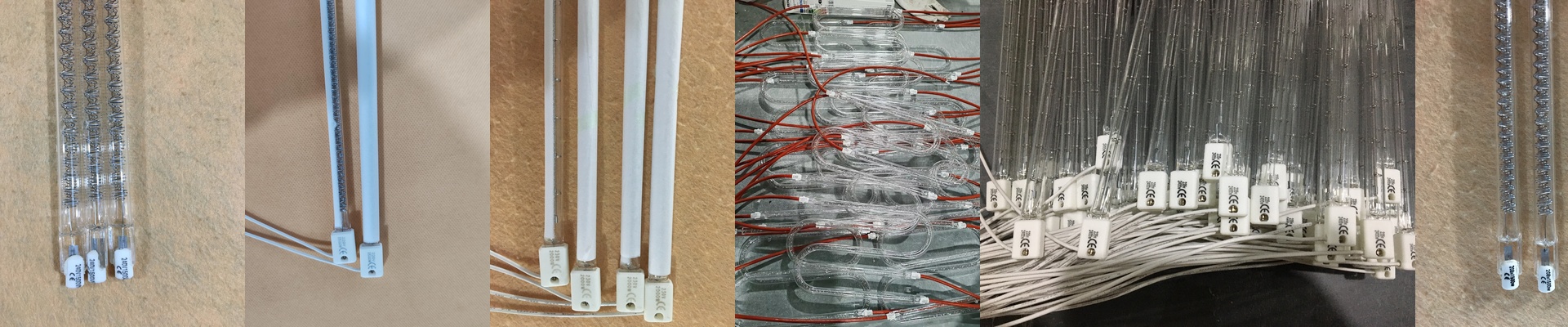
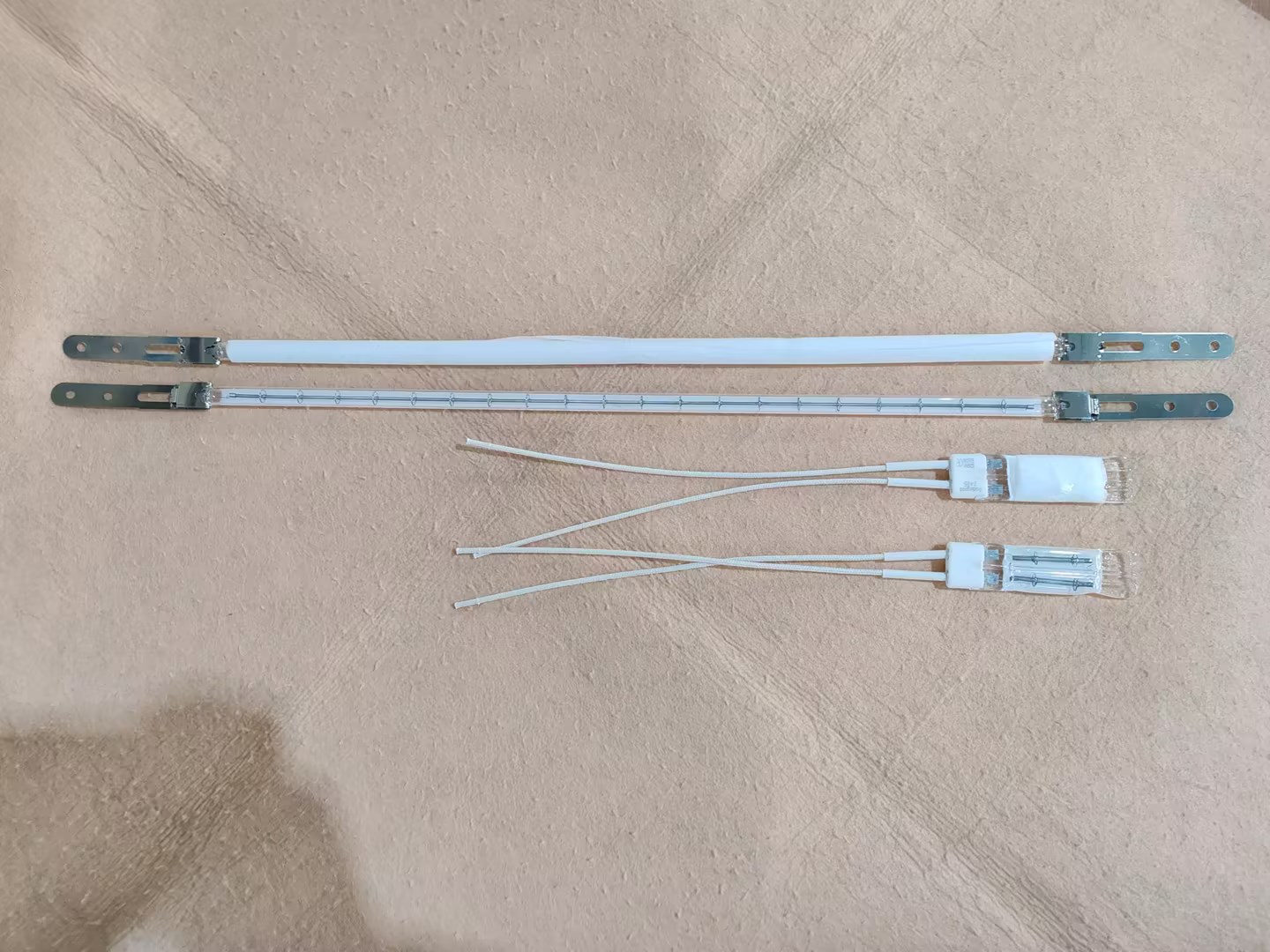
Let’s Talk About Quartz Halogen Lamp Jackets
If you’re running high-intensity infrared systems, the quartz halogen lamp is basically your engine. It’s the heart of the heat. We wrap the tungsten filament in a quartz “jacket” for a reason. It isn’t just for show—it handles the brutal thermal stress of the halogen cycle and keeps the internal pressure exactly where it needs to be. Without that jacket, your filament would burn out almost instantly. The Heat Factor Here’s the thing about power density: it all comes down to your voltage and wattage. When you crank up the voltage, you’re pushing more heat through every millimeter of that tube. It’s great for heating tunnels because you get a much faster ramp-up. But there’s a catch. High-wattage tubes put a lot of pressure on your lamp holders. If your wiring or sockets aren’t built for that specific current draw? You’re looking at melted terminals. Not a fun day at the office. Why Quartz? We stick with high-purity quartz because it’s practically invisible to short-wave infrared radiation. The heat just slides right through without getting absorbed by the glass. Depending on what you’re doing, we can add specialized coatings. Some help shift the emission spectrum, and others act as a shield against chemical splashes. As for fitting them into your machine, we offer a few different end-cap options—R7s and Sk15 are the ones you’ll see most often. They’re designed to be drop-in replacements. You shouldn’t have to rebuild your entire heating array just to swap a bulb. Just make sure the fit is tight. Any gap at all can cause arcing, and that’s a one-way ticket to immediate failure. Real-World Use (and the Big Warning) You’ll find these lamps everywhere from PET bottle blowing to curing automotive paint. The goal is simple: get the material to its glass transition temperature as fast as possible. But here’s the part where people usually mess up. These lamps are incredibly fragile. I mean really fragile. If you touch the quartz jacket with your bare hands, the oil from your fingerprint creates a tiny hot spot. Once the lamp heats up, that spot expands differently than the rest of the glass. Crack. Always use gloves. It’s a small step, but it’s the difference between a lamp that lasts and one that pops the second you turn it on.