Getting the Heat Right in Fabric Processing
Look, we don’t see IR lamps as just “heaters.” If you’ve ever worked with textiles, you know the struggle. You need the fabric hot enough to do the job, but not so hot that you scorch the fibers or blow your electricity budget. It’s a balancing act. When we ship our lamps around the world, we aren’t just selling hardware—we’re looking at how the light waves actually soak into the specific material you’re using.
The Trick to Targeted Heating
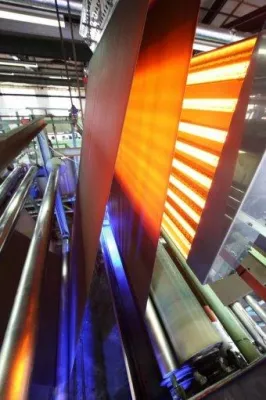
It usually comes down to the mix of short-wave and medium-wave IR. We build our lamps to keep the heat exactly where it needs to be. Think about a high-speed drying line. The wattage per centimeter is what actually dictates how fast you can run that line. If the heat is too thin, you’ve got a bottleneck. Too thick? You risk ruining the fabric. We spec our tubes so the heat actually gets into the core of the material instead of just searing the surface and leaving the inside damp.
The Hardware Stuff
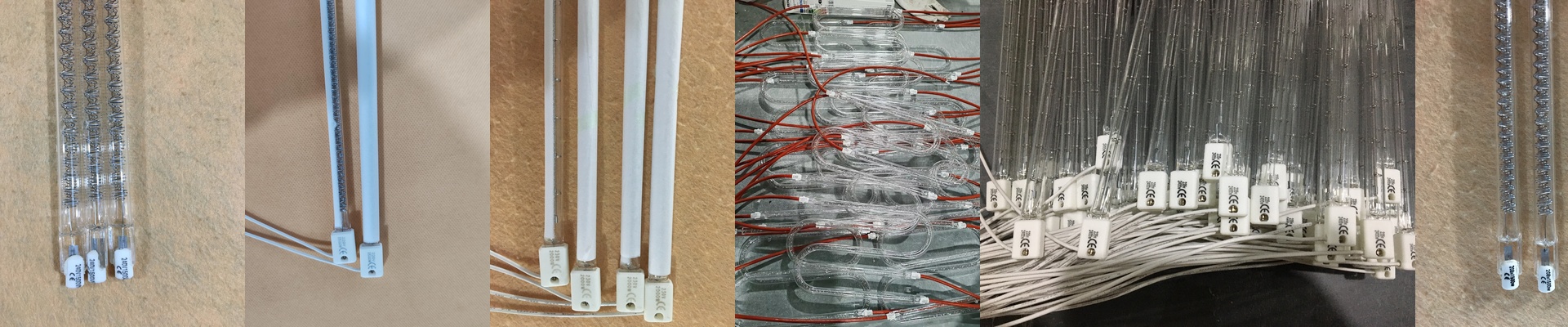
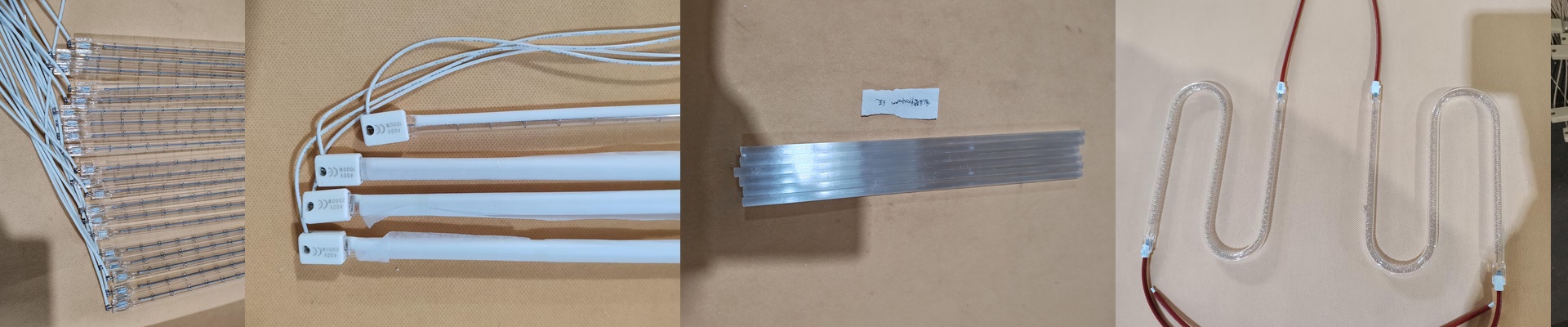
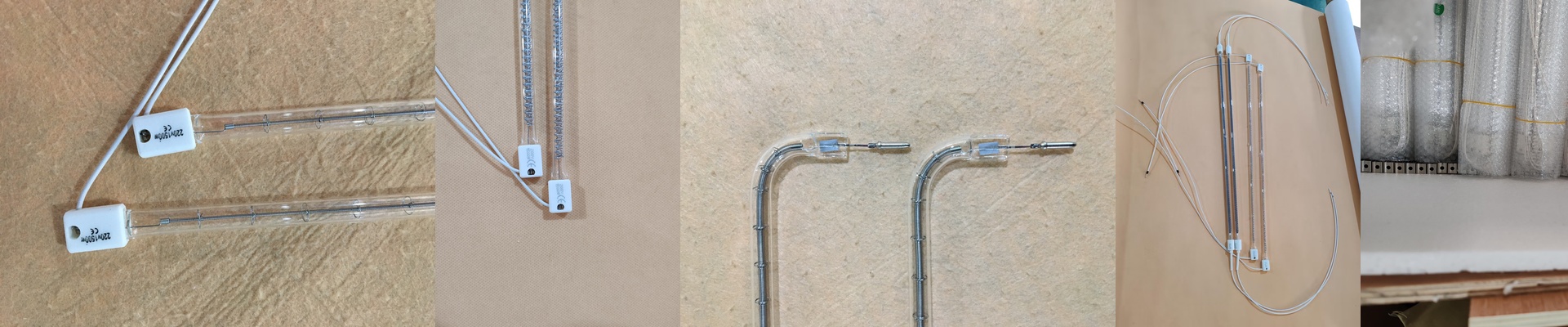
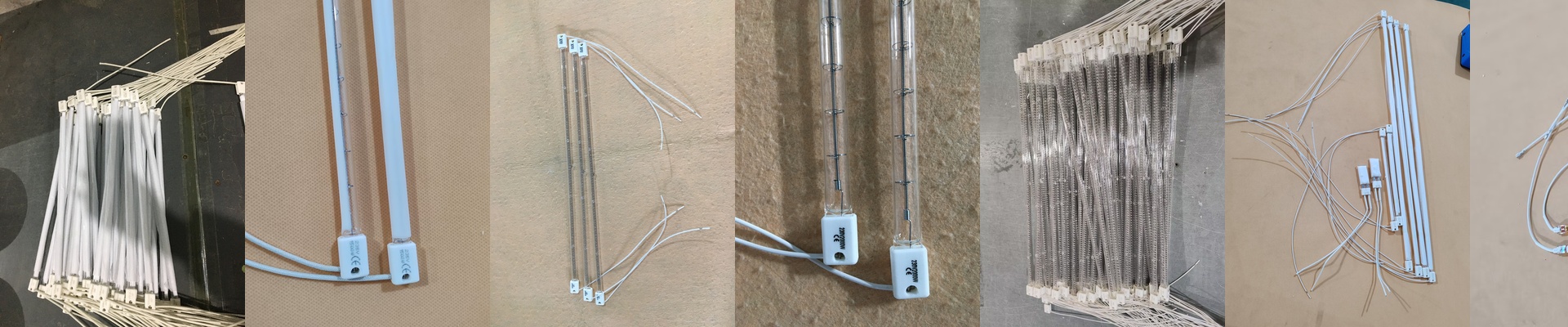
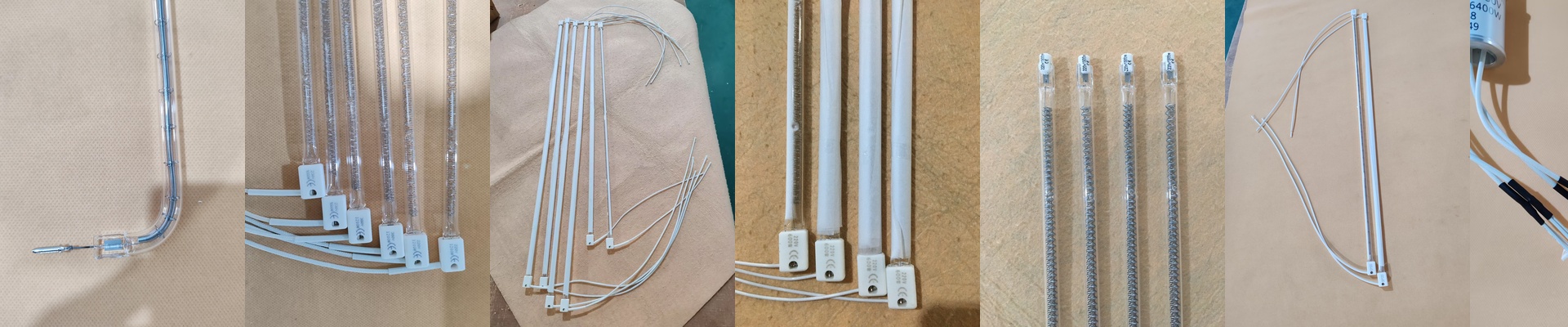
We use high-purity quartz glass. Why? Because these things go through a lot of thermal shock when they cycle on and off rapidly. We also use special coatings to shift the emission spectrum. It stops those annoying “hot spots” that you get with cheaper, uncoated lamps. Then there’s the connectors—whether you’re using a standard R7s or a heavy-duty Sk15. This is really about downtime. Nobody wants to rewire an entire rack just to swap a bulb. You want a drop-in replacement. We keep the tolerances tight so the lamp seats firmly. If it’s loose, you get arc points, and that’s how you burn out a socket.
The Real-World Trade-offs
Here’s the thing: high-output lamps move a massive amount of heat, but they put a real strain on your power. If you’re pushing a 2500W tube, your cables and breakers need to be up for the task. Otherwise, you’re just waiting for the next nuisance trip to shut down your floor. Plus, you’ve got to think about the air around the housing. Without a good breeze, that heat soak starts eating away at the other machine components over time. That’s just the reality of working with high-wattage gear.