Why Your Thick Fabrics Aren’t Curing (And How IR Actually Fixes It)
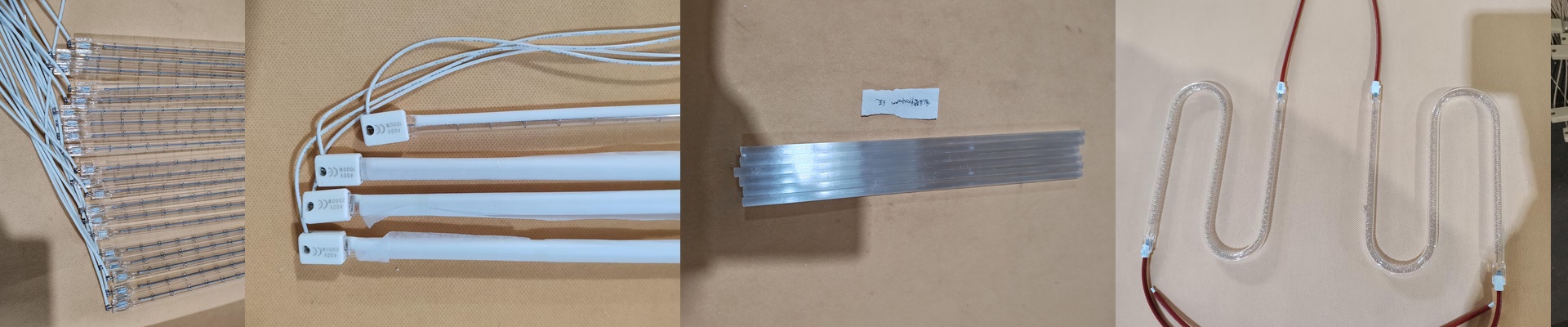
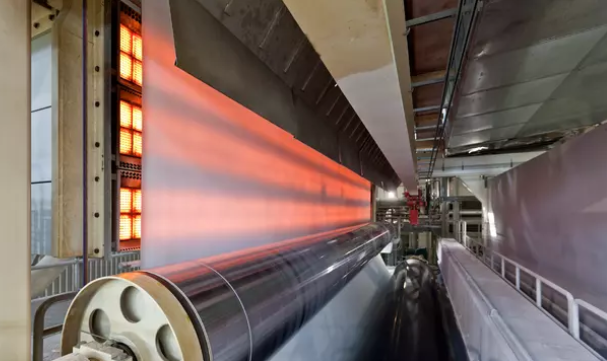
Ever tried curing coatings on heavy composite textiles and ended up with a total mess? You know the feeling. You pull the material out of the oven and the surface looks burnt or over-baked, but the core is still wet. We call it the “skin effect,” and it’s a nightmare on the production line. Here’s why it happens: hot air is just bad at its job. Air doesn’t carry heat very well. To get that warmth to reach the center of a thick piece of fabric, you have to crank the oven temperature way up. But by the time the middle is warm, you’ve already scorched the outside. It’s a slow, frustrating process of heat crawling from the outside in, molecule by molecule. Then there’s Infrared (IR). IR doesn’t mess around with air. It travels in waves. When those waves hit your fabric, they don’t just sit on the surface like a blanket; they dive right in. Depending on the wavelength you use, the energy penetrates deep into the material. It basically shakes up the molecules inside the composite, creating friction and heat from the inside out. The result? The core heats up at the same time as the surface. It’s a massive difference in speed. We’re talking about turning curing times that used to take hours into something that takes seconds. But look, I’m not telling you it’s magic. There are a few things you have to get right. First, you have to match the wavelength to your specific coating. If your material is too reflective, the energy just bounces off and you’re back to square one. You’ve got to check your chemical makeup and spec the right lamp. Also, keep an eye on your power. High-wattage IR arrays pull a lot of juice. If your electrical panels or cooling fans aren’t up to the task, you’re going to fry your controllers. Get the power and the wavelength right, and you’ll stop fighting your fabrics and start actually shipping product.