Why “Smart” Infrared Heating is Finally Coming to Textile Mills
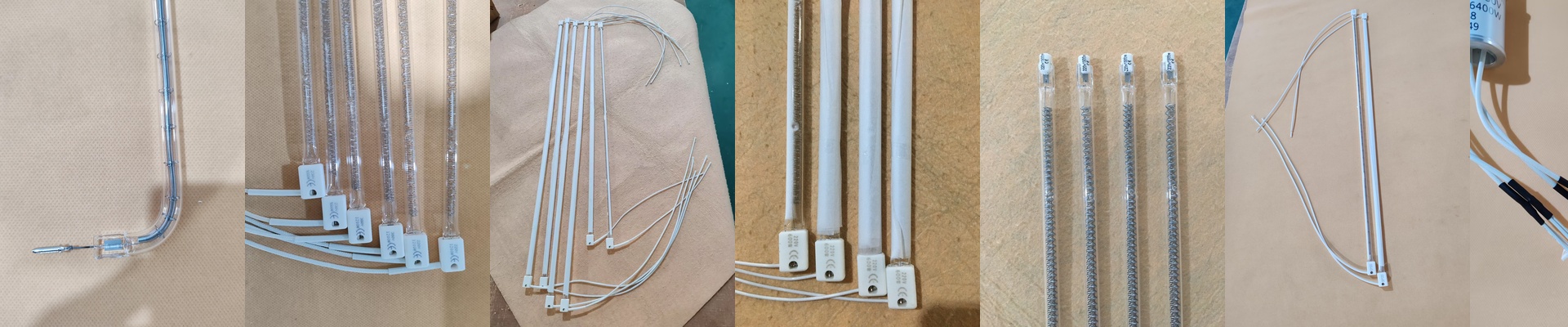
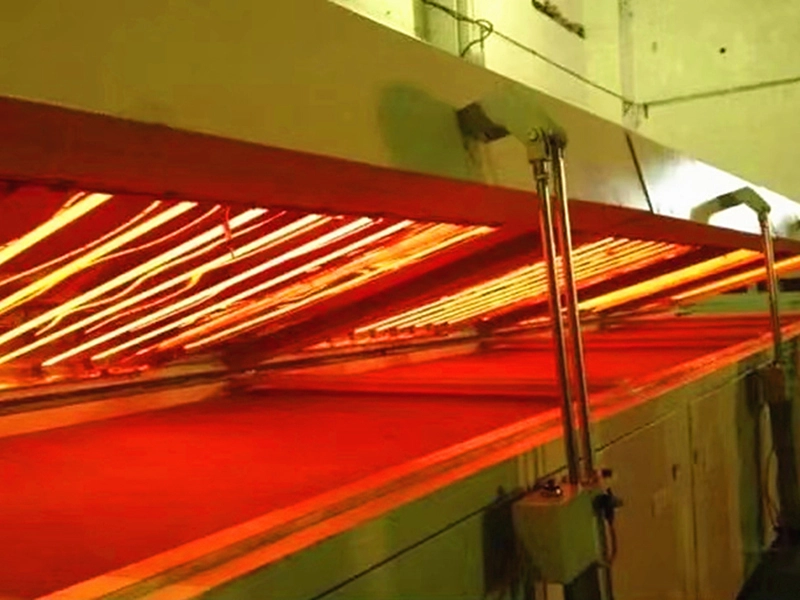
For a long time, the IR lamps in our textile machines have been pretty basic. You plug them in, they get hot, and you wait for them to burn out. That’s it. But things are changing. We’re starting to see lamps that can actually talk to the PLC, and it’s about time. Moving past the guessing game Usually, we rely on timers or a few thermocouples to guess how much heat the fabric is actually getting. It’s a bit of a shot in the dark. But imagine if the lamp itself did the talking. By putting sensors right in the housing or the connector, the lamp can tell you exactly how much power it’s pulling and if the filament is starting to give up. Instead of wondering why a batch of fabric looks off, you get a heads-up that a tube is drifting in wattage before it actually snaps. No more guessing. The messy part (The Hardware) Now, putting electronics next to a quartz envelope that hits 500°C is a nightmare. It’s just plain hot. To make this work, you have to get creative with shielding or move the brains of the operation to the end-cap. And here’s the catch: your old wiring probably won’t work. You can’t send data through a standard two-wire power lead. You’ll either need to run new data lines or set up a wireless mesh to get that info back to the panel. It’s a bit of a project, but it’s worth it. Stopping the “Cold Spot” Headache Anyone who’s run a mill knows the pain of a single dead lamp in a 20-tube array. It creates a cold spot, and suddenly your fabric consistency is shot. The old way to fix this? Walking around with a pyrometer, checking every single lamp manually. It’s tedious and slow. With a smart system, the machine just flags the exact tube that’s acting up. You walk over, swap it out, and get back to work. It turns a stressful, reactive scramble into a simple, planned swap. Much better for everyone’s blood pressure.