Getting Your Bruckner Heat Right
Heating isn’t just about flipping a switch and hoping for the best. If you’re running Bruckner drying lines at high volume, you know the struggle. You need the heat to be dead-on across the whole width of the fabric. No scorched edges. No cold spots in the middle. Just a clean, consistent finish.
Why Shortwave IR Actually Matters
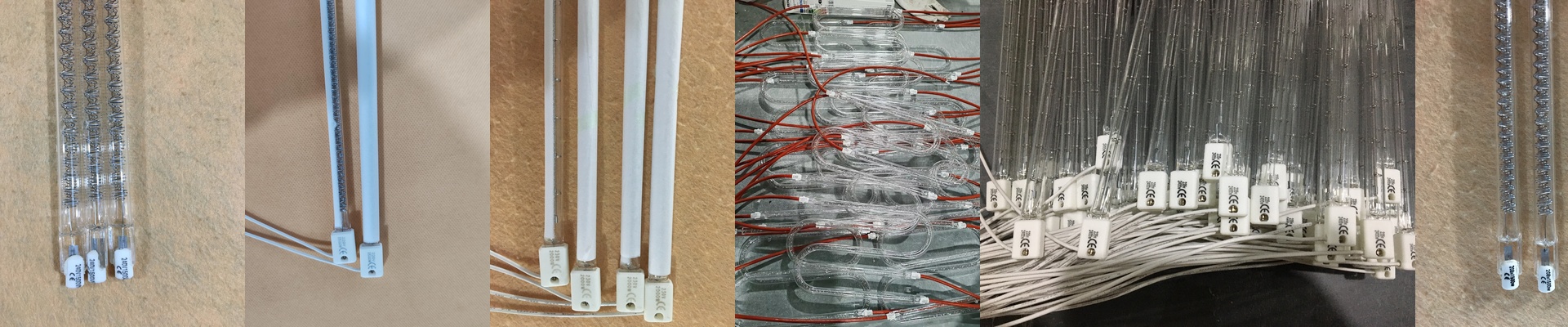
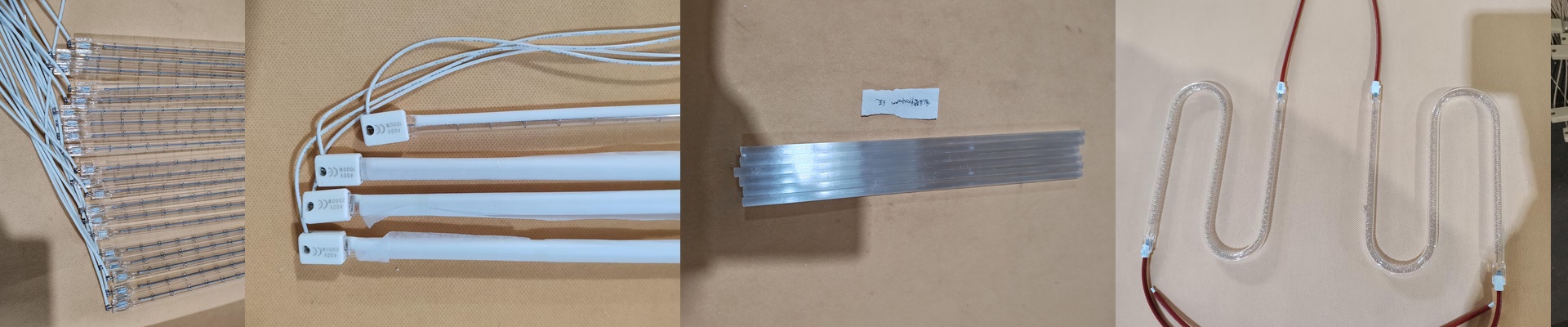
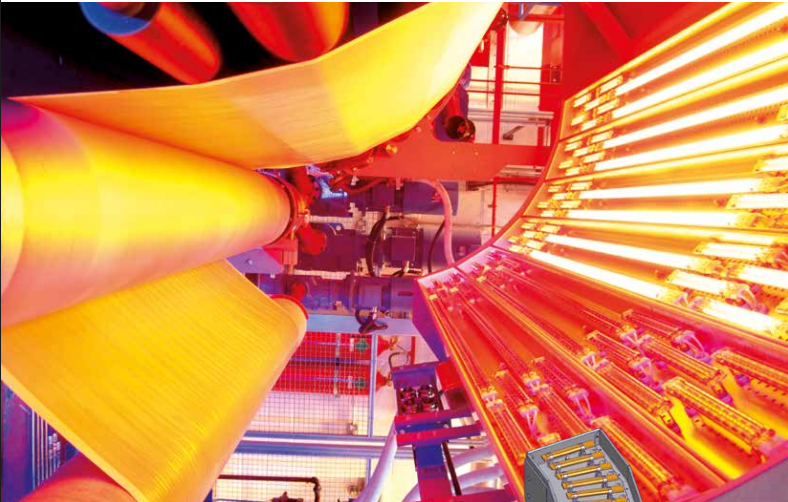
Bruckner setups usually lean on shortwave infrared lamps because they can actually punch through dense fibers. We use high-wattage quartz tubes to make sure the heat hits the core of the material. If you only bake the surface, the fabric gets brittle. That’s a nightmare. You also need lamps that hit operating temp in seconds. If you’re stuck waiting for a slow warm-up, you’re just burning electricity and messing up your dye fixation.
The Nitty-Gritty on Hardware
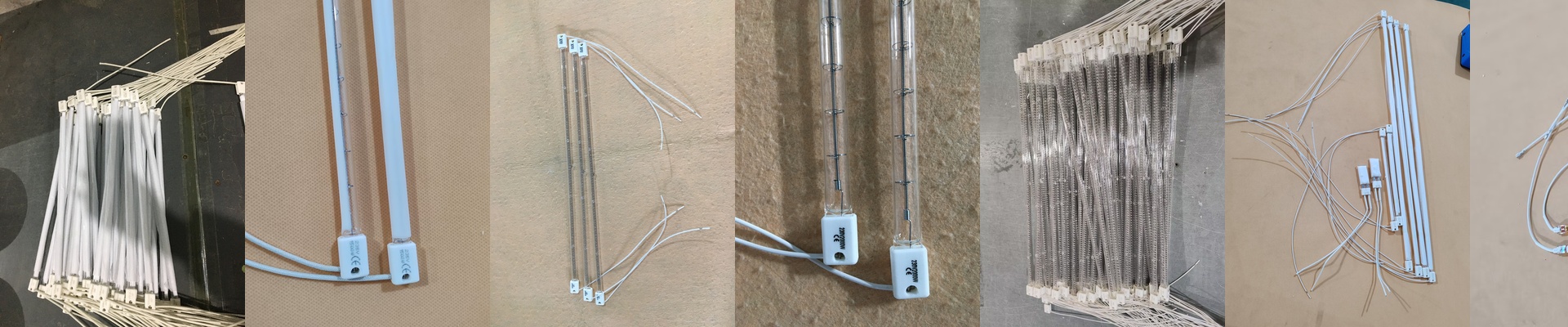
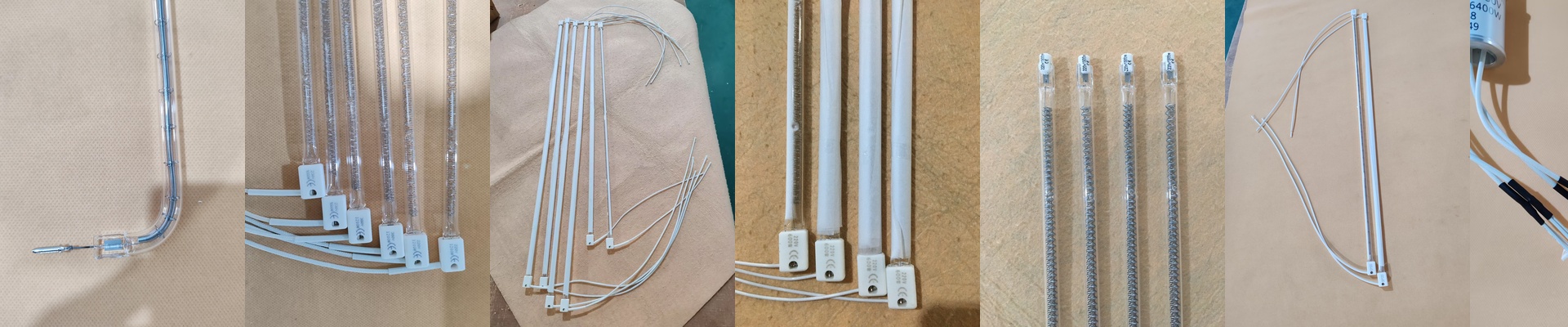
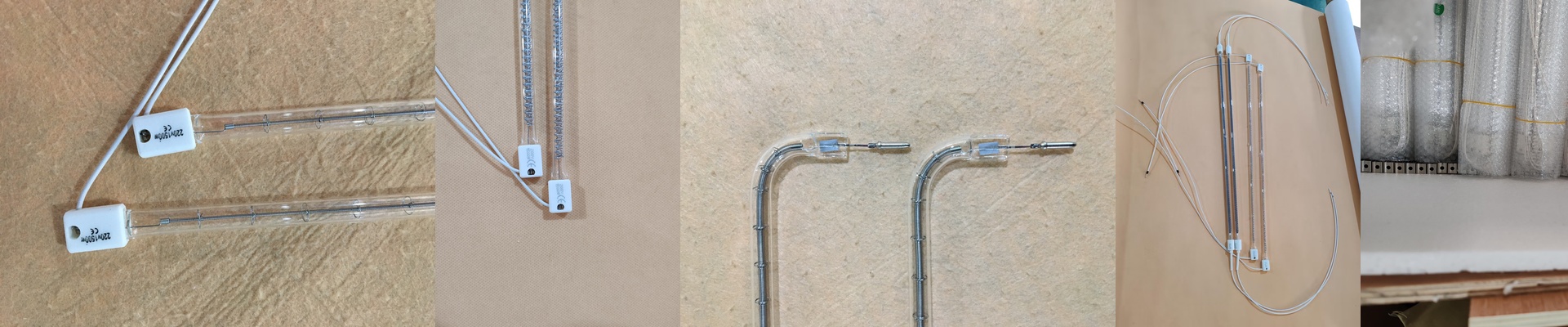
When we’re building these, we obsess over the wattage-to-length ratio. Why? Because higher power density means you can keep your oven footprint smaller. We also use reinforced quartz glass. It stops the tubes from bowing when things get incredibly hot. **One quick tip:**If you’re swapping these into an old line, double-check your connectors. We usually go with R7s or Sk15 bases to keep the electrical fit tight. Loose connections lead to arcs, and arcs will eat your sockets for breakfast.
The Balancing Act: Heat vs. Cooling
Here’s the thing about high-output IR lamps: they put a massive load on your reflectors. To get every bit of power out of a 2kW+ tube, those reflectors need to be polished like a mirror. If they’re oxidized or dull, you’re basically throwing 20% of your heat at the oven ceiling. Total waste. But wait—pushing higher wattage also cranks up the heat around the ends of the lamp. Make sure your cooling blowers are actually up to the task. If they aren’t, you’ll fry your wiring looms. We build these things to last. At the end of the day, it’s all about keeping the line moving and avoiding those dreaded unplanned shutdowns.