Getting IR Heating Right for Your Textile Line
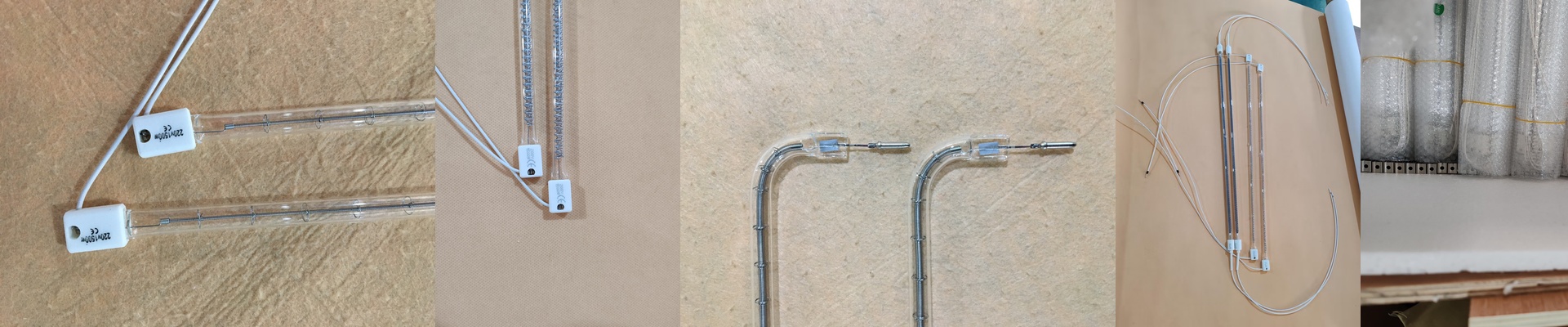
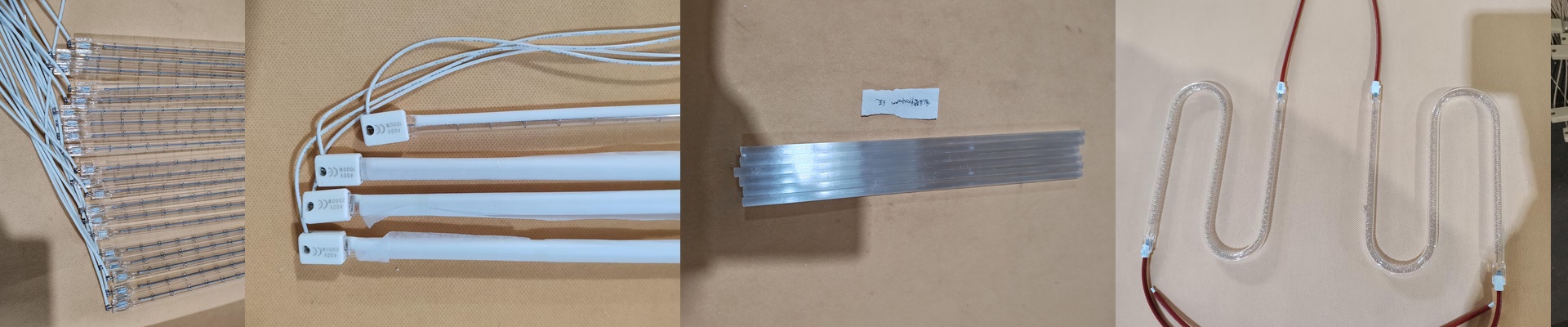
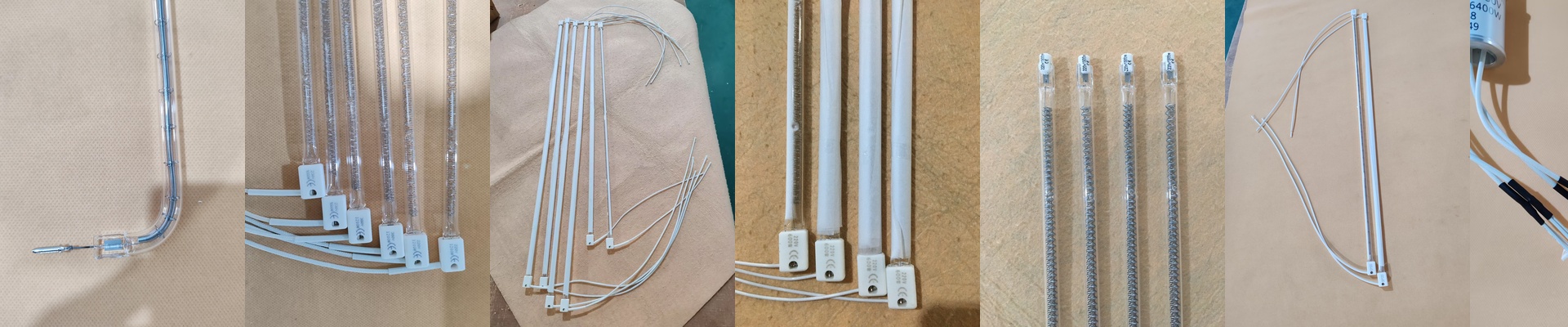
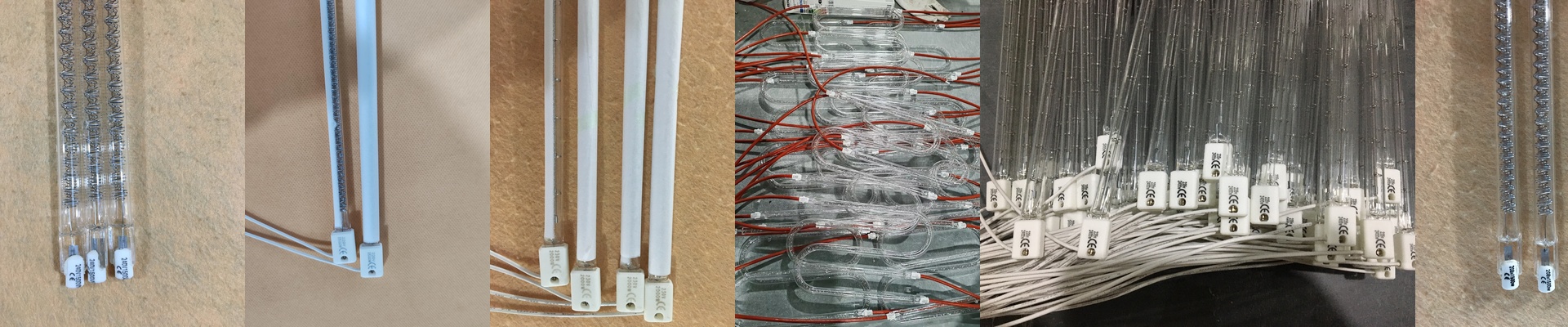
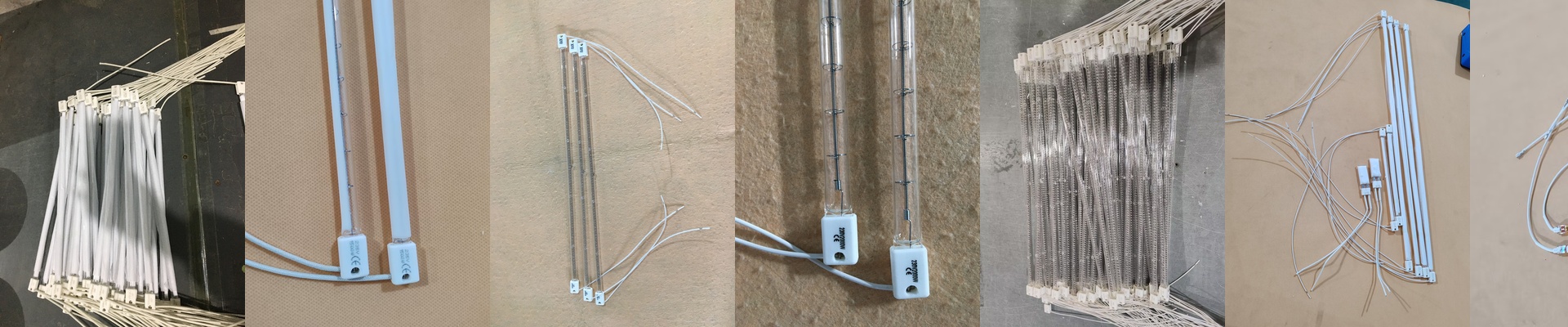
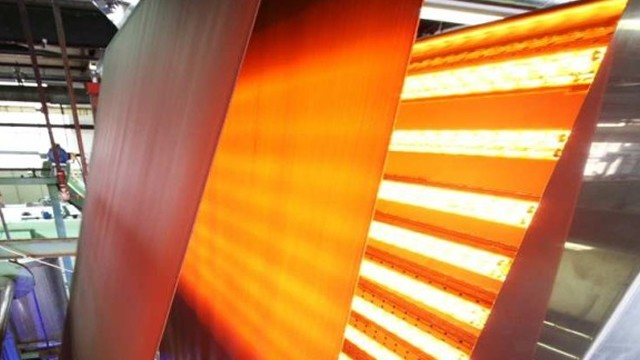
Drying and curing fabric is a balancing act. If you get the heat density or wavelength wrong, you’re either scorching the surface or leaving the core damp. It’s a frustrating place to be. We spent ten years working behind the scenes as an OEM partner before we finally started our own brand. Why? Because we saw too many people stuck between cheap, generic heaters that didn’t last and overpriced international brands that felt like a rip-off. There was a middle ground, and we wanted to fill it. The struggle with power and voltage Here’s the thing about high-wattage tubes—especially anything over 2000W—voltage stability is usually where everything falls apart. If the voltage isn’t matched perfectly, your filaments burn out way too fast during those rapid heating cycles. We focus on precise voltage matching so your lamps actually last. Plus, a higher voltage rating means we can make longer tubes without the temperature dropping off at the ends. You get a flat, consistent heat across the entire width of the fabric. No cold spots. No guesswork. The gear that actually holds up We use high-purity quartz glass. It keeps the lamp from absorbing its own heat, which makes the whole system more efficient. For the textile world, we stick with halogen-filled tubes because they just live longer. Then there are the connectors. We use R7s and SK15 because they click into place and stay there. There’s nothing worse than a loose connection causing an arc that melts your sockets. It’s a mess you just don’t want to deal with. And if you’re working with tricky synthetic fibers, we’ve got coated versions. These shift the heat spectrum so it hits the absorption peaks of the material. It’s a smart way to get the core of the fabric hot without frying the surface. A few honest warnings These lamps are built to be drop-in replacements. They’ll fit right into your existing setup without a headache. But keep this in mind: if you’re pushing high heat density with a short-wave lamp, your power supply is going to feel it. If you run these at full tilt, your cooling fans and housing need to be up to the task. We build our lamps to take a beating, but they can’t fix bad ventilation. If your airflow is weak, your sockets will degrade. Make sure your infrastructure is as tough as the lamps you’re putting in them.