Getting the Heat Right in PET Blow Molding
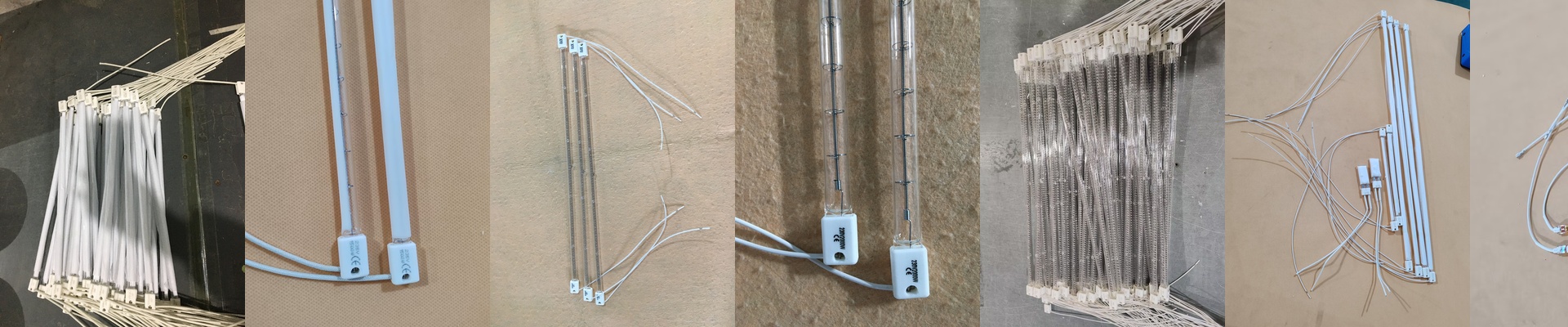
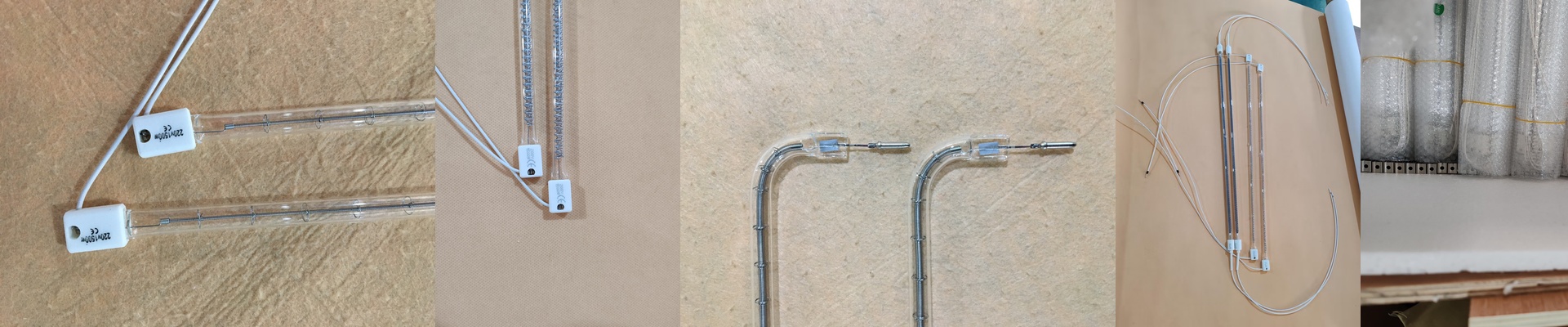
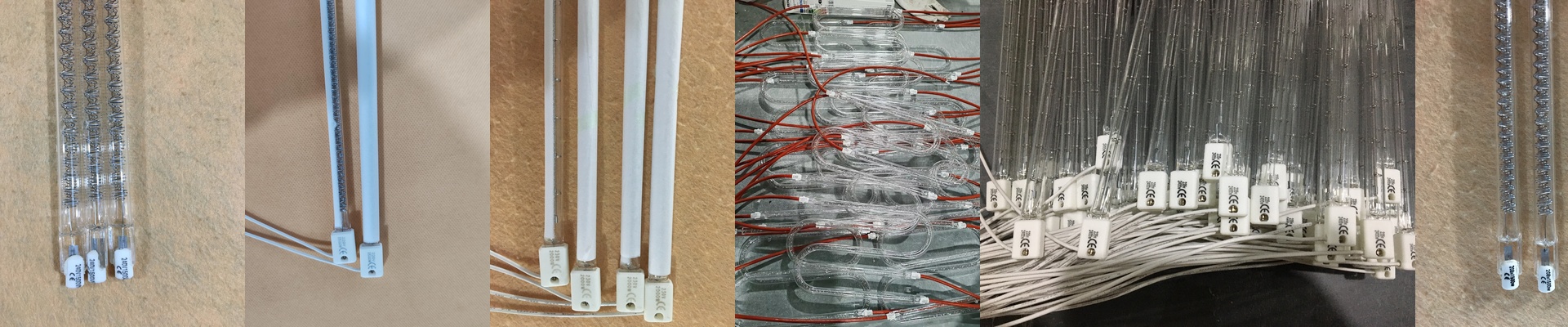
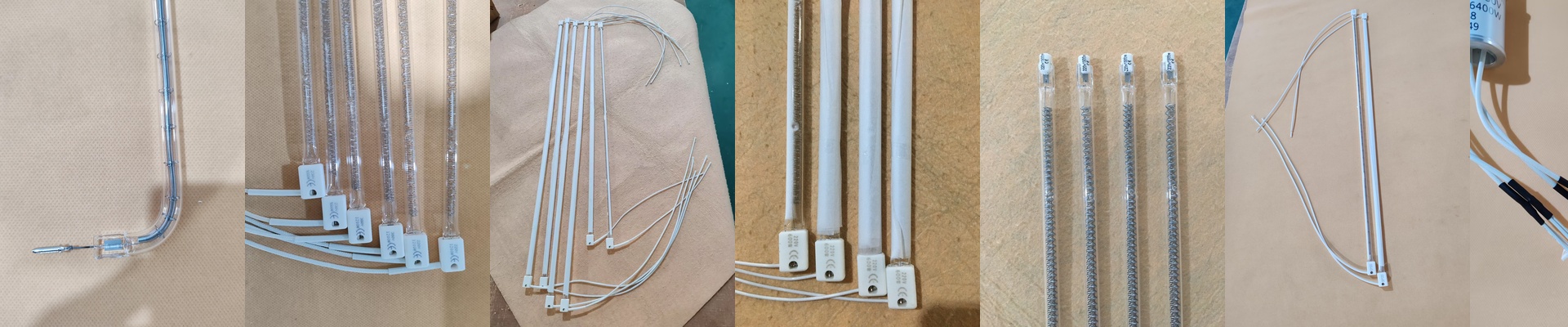
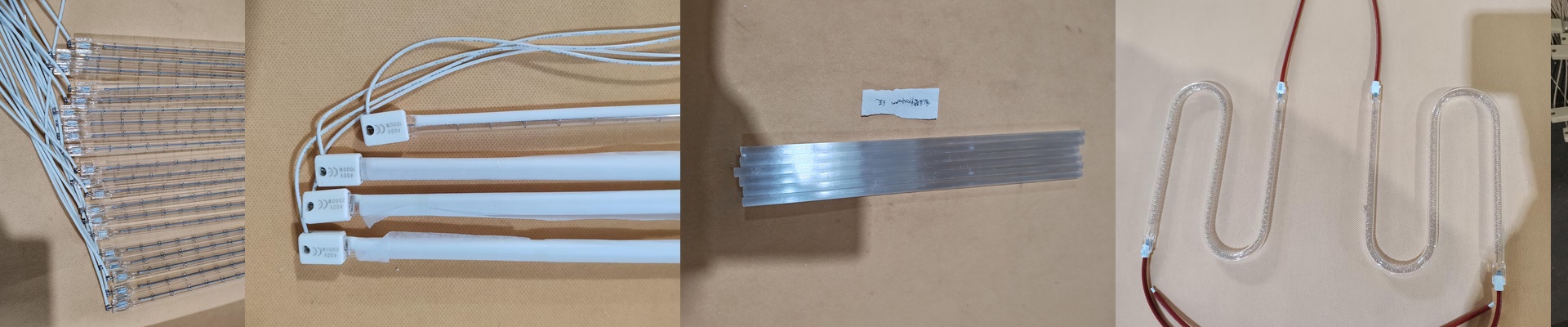
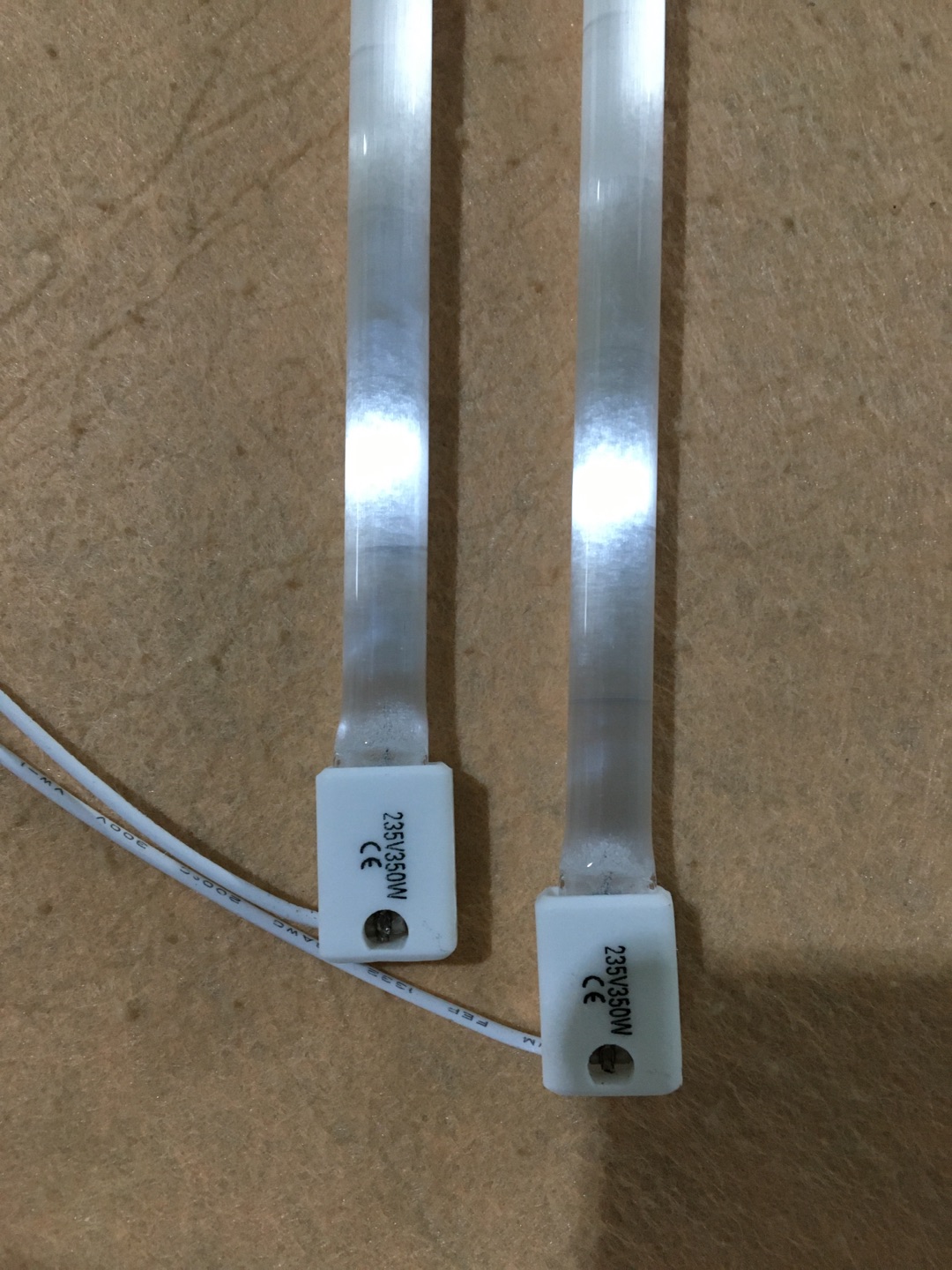
When it comes to blow molding, speed is everything. To get those rapid heating cycles just right, we use infrared halogen lamps. Inside, there’s a tungsten filament wrapped in high-purity quartz glass and filled with a specific halogen gas mix. Why the gas? Well, it stops the filament from evaporating. That means we can crank up the heat without the lamp burning out halfway through the job. The Voltage Dance To get a PET preform to its glass transition temperature in a matter of seconds, you need some serious wattage. We usually go with high-voltage setups—think 230V or 400V—to keep the current steady across those longer tubes. Here’s the thing: if you’re using a 300mm or 500mm tube, your voltage has to be perfectly balanced. If it’s off, you get “cold spots.” And cold spots are a nightmare because they leave you with bottles that have uneven walls. Nobody wants that. The Nitty-Gritty of Design Most of our gear uses R7s or SK15 spring-loaded connectors. They’re simple drop-in replacements, but they do a big job—they handle the quartz tube expanding and contracting as it heats and cools. Plus, we add a special coating to the quartz. It’s a small detail, but it’s huge. It shifts the infrared spectrum so the PET plastic actually absorbs the heat. Without it, most of that energy just bounces right off the preform, wasting power and time. A Few Things to Watch Out For These lamps pack a punch. The heat density is massive, and the ramp-up is incredibly fast. But that speed comes with a catch: a lot of stress on the ends of the lamp. This is where your cooling fans come in. Make sure they’re actually up to the task. If those sockets get too hot, the connectors warp, you get arcing, and the lamp dies way sooner than it should. Just keep the area clear of dust and debris so the air can actually move. It’s a simple fix that saves a lot of headaches.