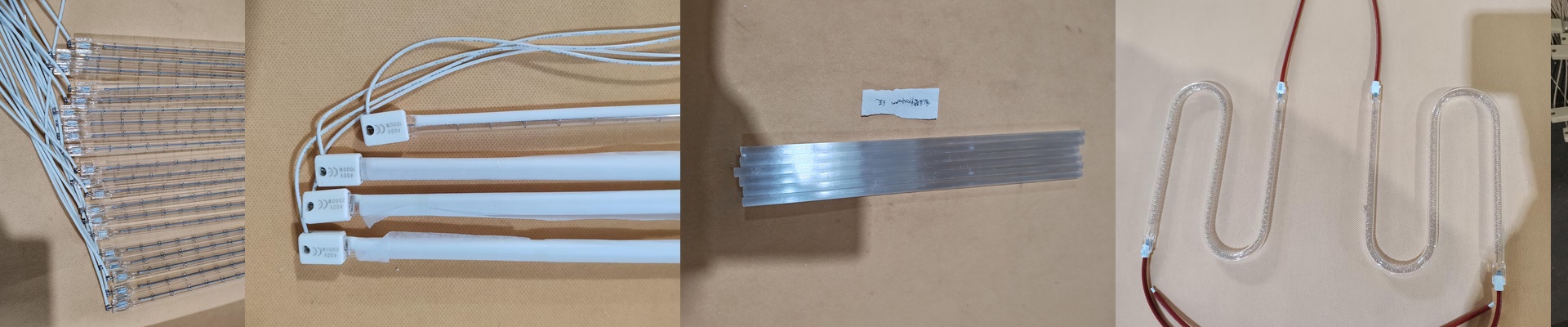
Let’s Talk About Quartz Halogen Heating Elements
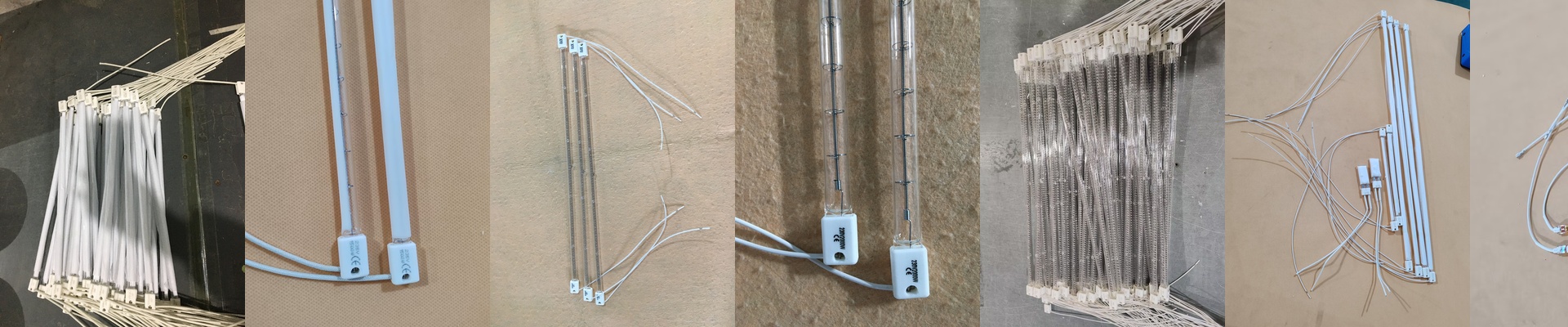
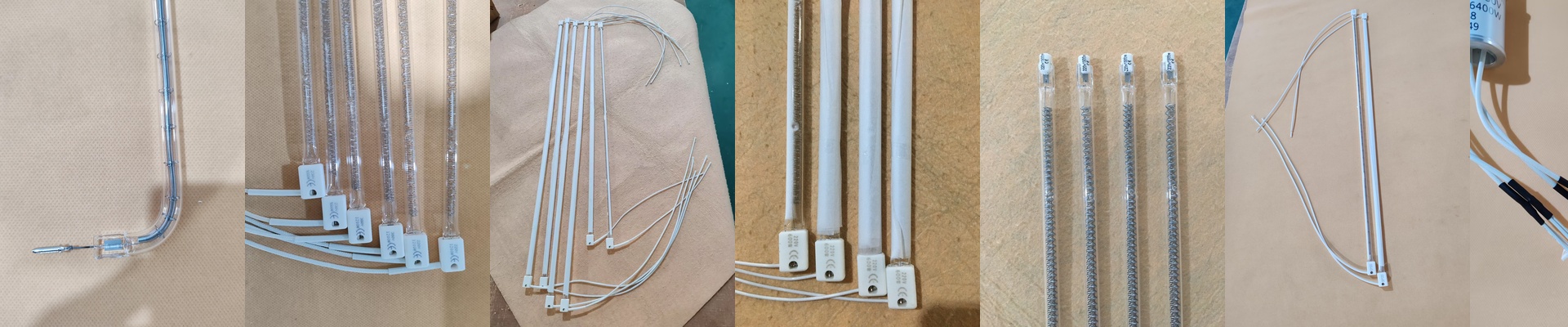
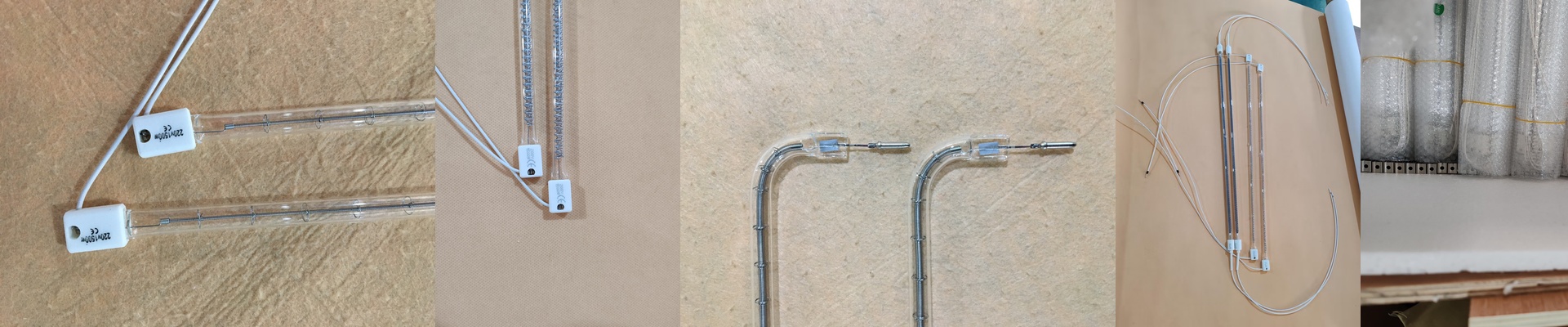
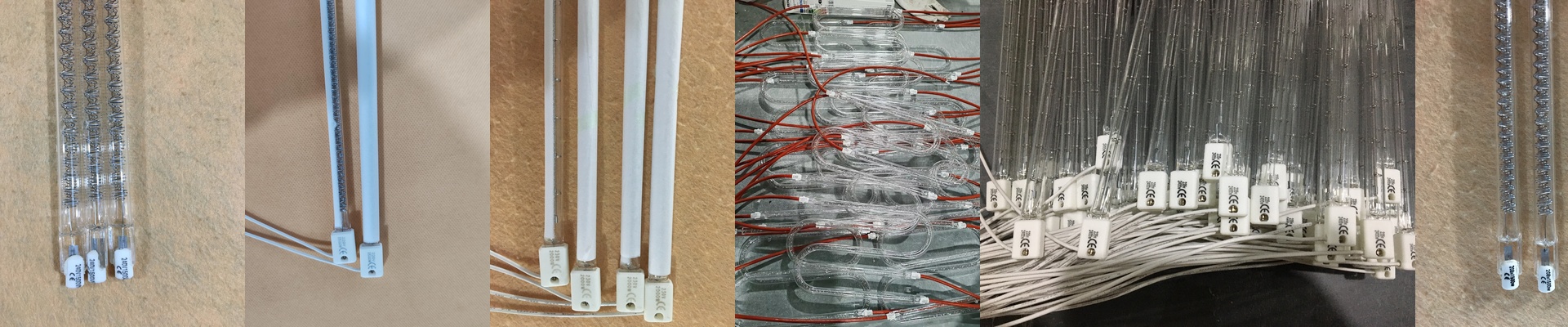
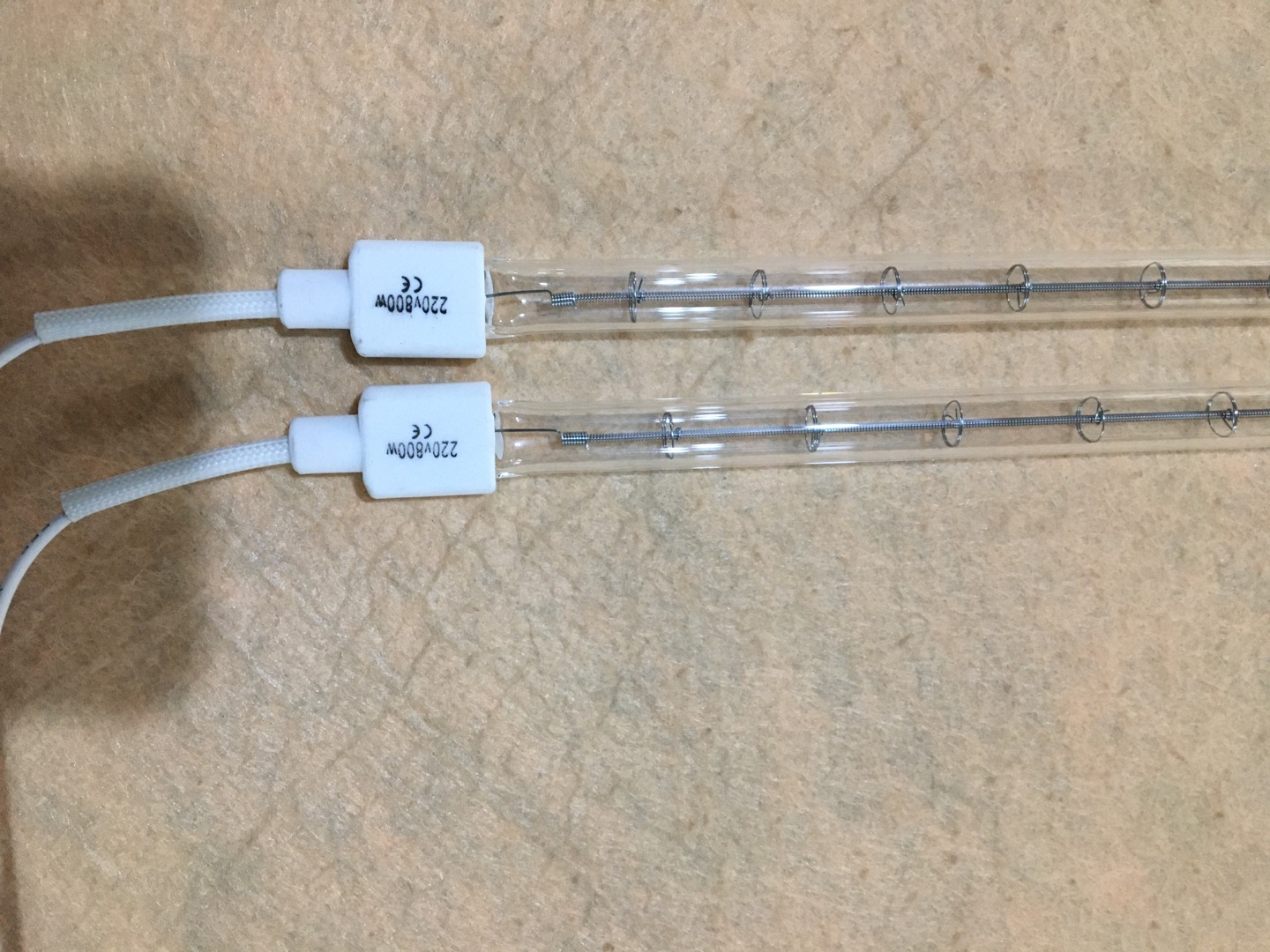
If you need to move a lot of heat, fast, quartz halogen lamps are your best bet. Think of them as high-intensity shortwave emitters. Inside, there’s a tungsten filament tucked into a quartz tube and filled with a specific halogen gas mix. This isn’t just for show—the gas stops the filament from evaporating too quickly. That means we can crank the temperature way higher than you’d ever see in a basic light bulb. The nitty-gritty on power and voltage We figure out the specs based on how much heat your machine actually needs to throw. If you’re using high-wattage tubes—usually 230V or 400V—you can hit your target temperatures in a matter of seconds. Here’s a pro tip: we often go with 400V for longer tubes. It keeps the current draw low and stops the voltage from dropping off. Just make sure your power supply is a perfect match. If it’s not, you’ll burn through your filaments way faster than you should. Materials and the “plug-and-play” side of things The quartz glass is great because it lets those shortwave rays pass right through. Depending on what you’re doing, we can add different coatings to shift the heat spectrum or just keep the glass from getting damaged. For the connections, we stick to the classics—R7s or SK15. They’re basically drop-in replacements for most industrial heaters. They stay tight and secure, even if your machine vibrates like crazy. Where this actually works (and what to watch out for) You’ll see these in everything from PET blowing machines to automotive paint curing and plastic welding. Because it’s shortwave heat, it sinks deeper into the material and works much faster than longwave options. But there’s a catch. All that heat density puts a massive load on the lamp holder. If you skimp on the cooling system or use cheap wiring, your connectors will literally melt. It’s a mess. Also, take a good look at your reflector. You want that heat hitting your workpiece, not bouncing back into the chassis and cooking your electronics.