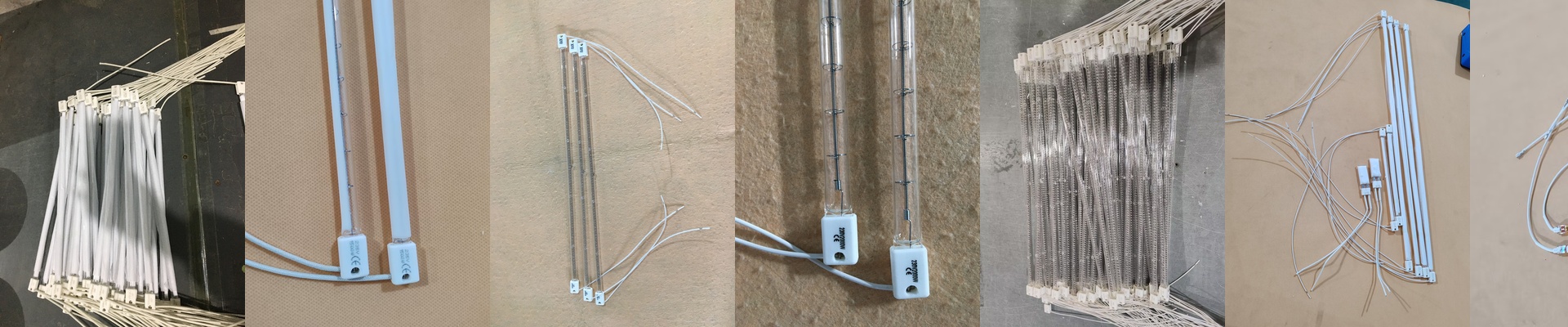
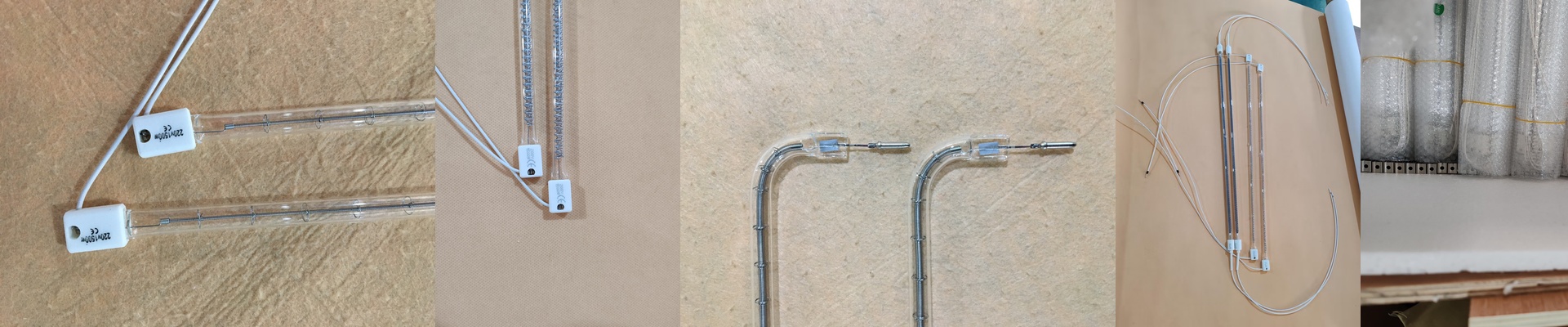
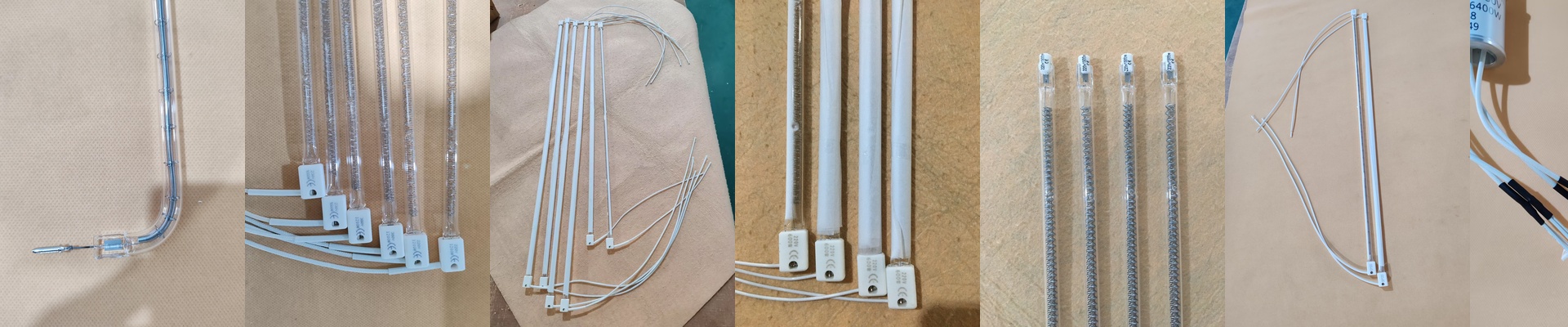
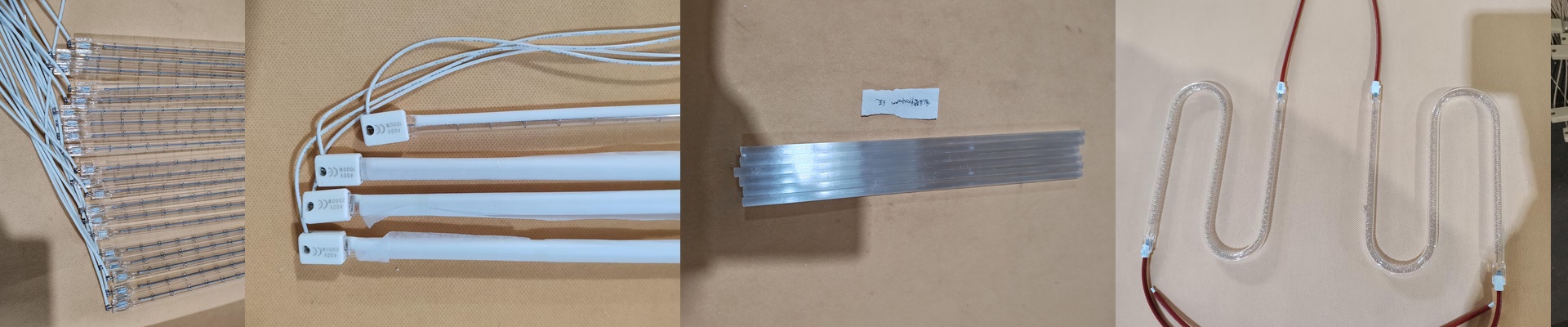
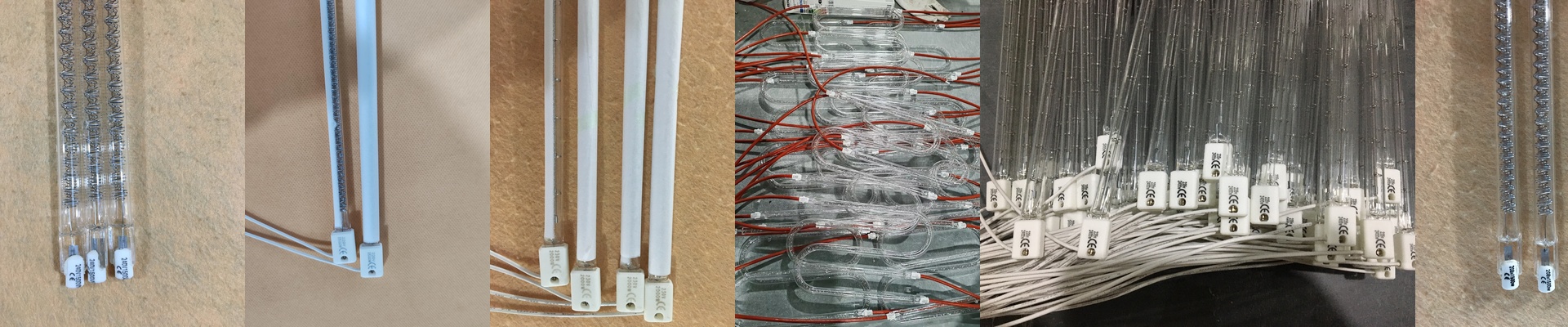
Let’s talk about 380V Halogen Infrared Quartz Lamps
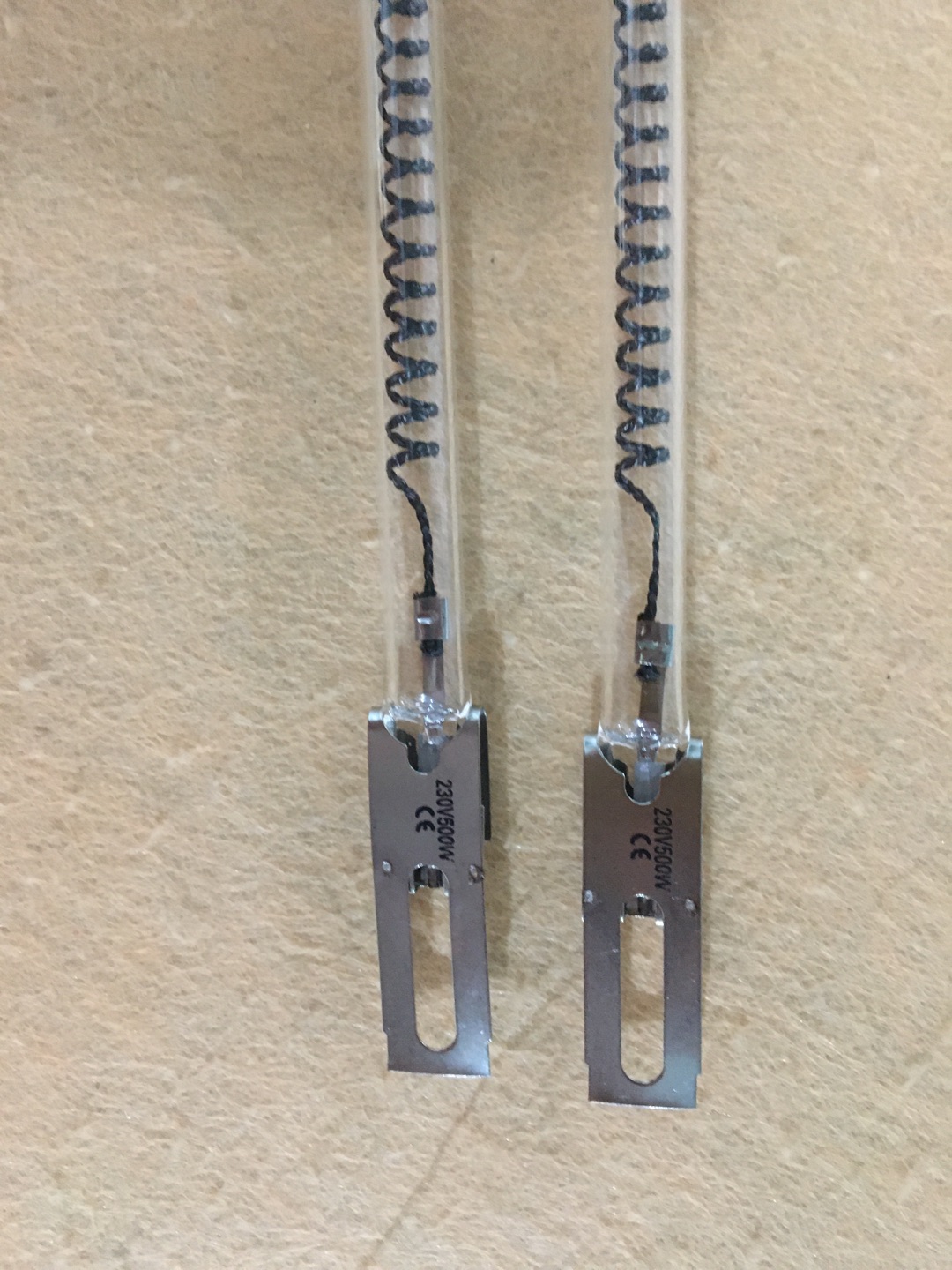
If you’re running an industrial process that needs to get hot—and get hot fast—these lamps are your best bet. We build them with a tungsten filament tucked inside a high-purity quartz tube, then fill the whole thing with a halogen gas mix. Why the gas? It stops the filament from evaporating, which basically means your lamp lasts a lot longer. The Electrical Side of Things We go with 380V because it lets you hit those high wattages without needing massive, bulky wiring. It keeps your footprint small. These are designed for shortwave infrared. In plain English: the heat doesn’t waste time warming up the air in the room. It goes straight into the material you’re actually trying to heat. But here’s the catch. You’ve got to be spot on with your power supply. If the voltage is too low, the lamp will feel sluggish and won’t hit the temps you need. Go too high? You’ll pop the filament almost instantly.Get the voltage right, or you’re just wasting money. Quartz, Halogen, and the Nitty-Gritty The quartz glass is the real hero here. It can handle wild temperature swings without cracking. Plus, that halogen cycling I mentioned earlier keeps redepositing tungsten back onto the filament. It’s a clever bit of chemistry that keeps the bulb from burning out like a cheap household lamp. For the fit, you’re probably looking at R7s or Sk15 connectors. They usually slide right into most industrial heating banks without any fuss. And if you’re worried about heat leaking into the back of your machine, go for the coated version. It bounces the heat forward, focusing all that energy exactly where the workpiece is. Real-World Use You’ll see these all over the place in PET blowing and plastic curing. They hit the target temperature in seconds. It’s satisfyingly quick. Just a heads-up on the maintenance: high heat density puts a lot of stress on the seals where the quartz meets the metal.Keep the ends clean. Seriously. A bit of oil or some dust on the glass creates “hot spots,” and that’s how you get a premature failure. Also, make sure your cooling fans can actually handle the heat buildup around the housing. If the air can’t move, the lamp will suffer.