Getting Your PET Preform Heating Right
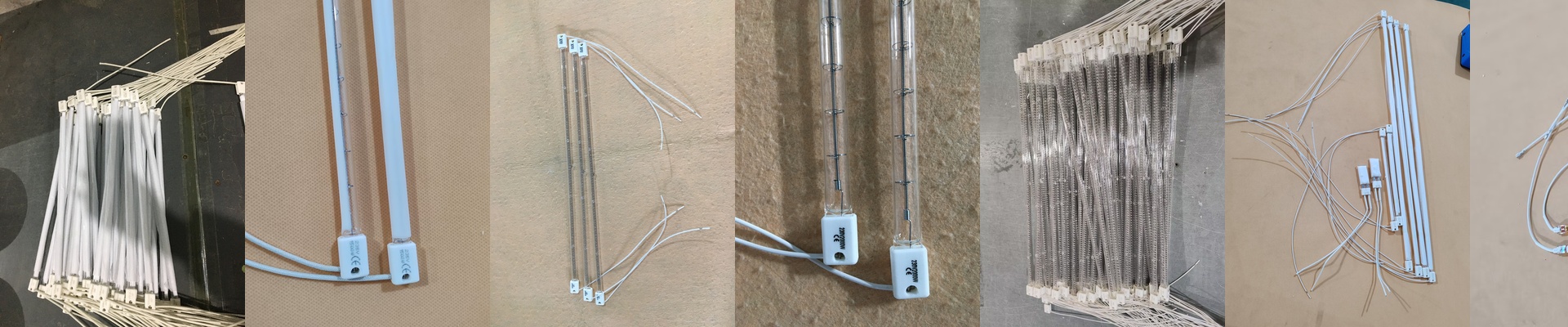
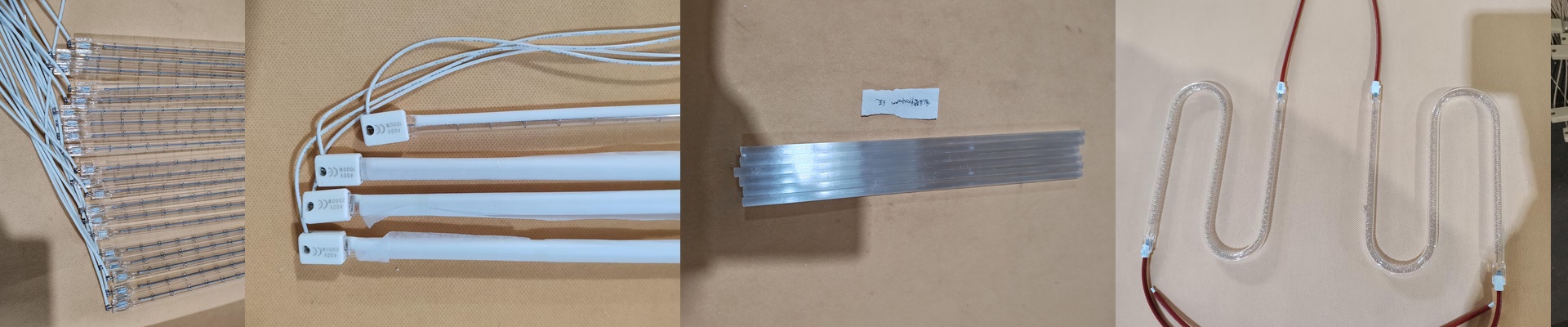
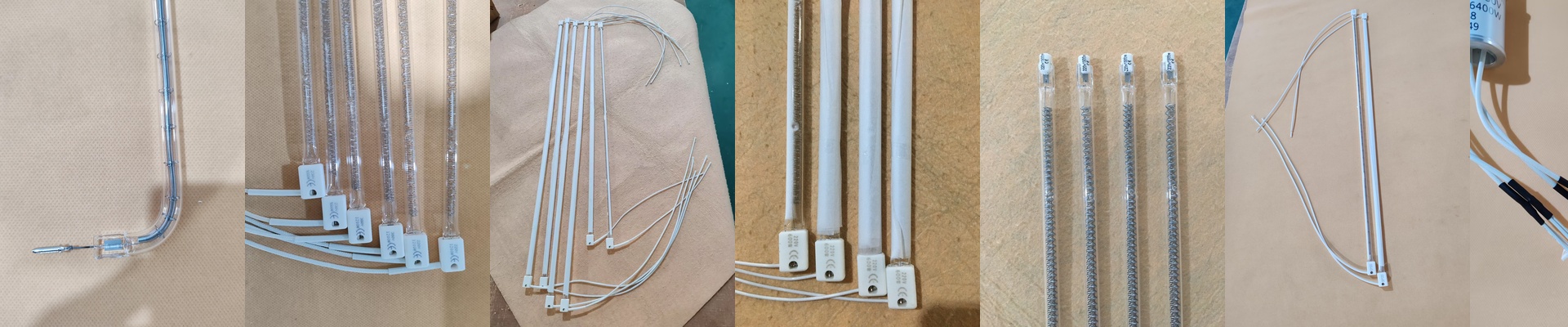
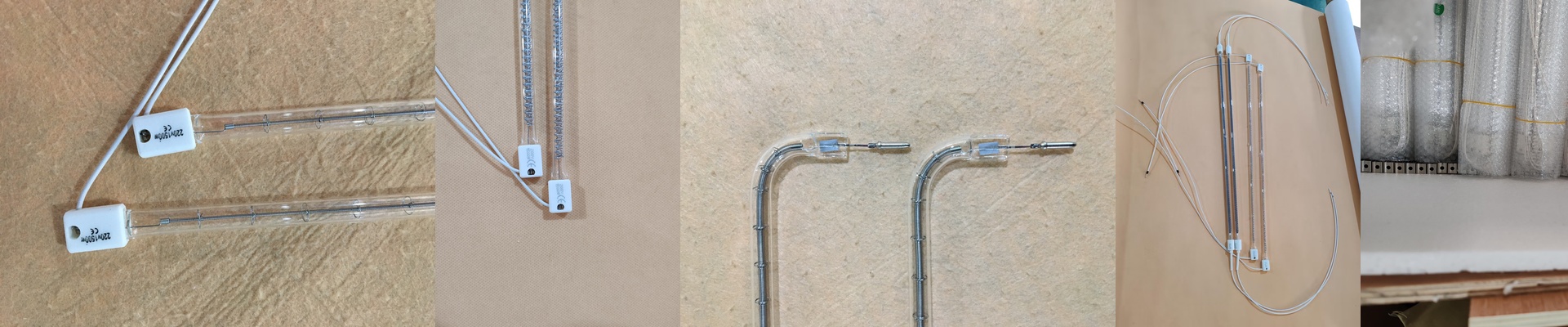
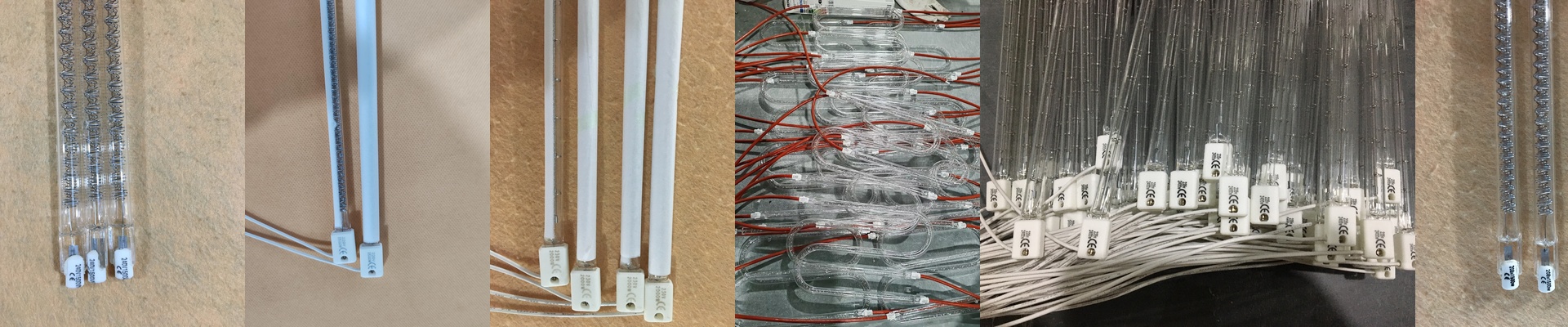
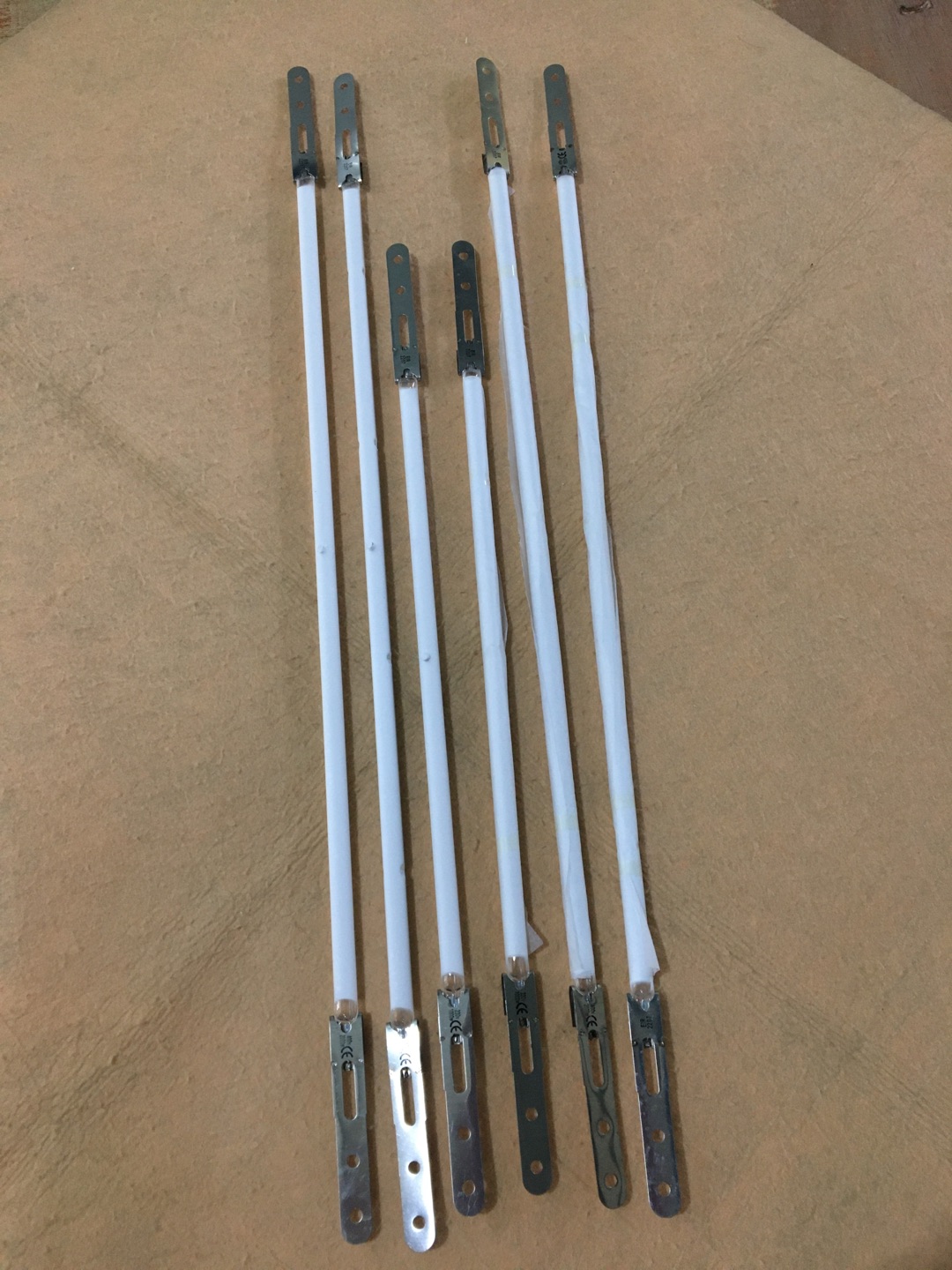
When you’re running a PET blowing machine, you’re basically playing a balancing act. You need enough heat to soften the plastic quickly, but if you overdo it, you’re just burning your product. That’s why we stick with shortwave infrared halogen lamps. Unlike those old-school ceramic or mica heaters that take their sweet time, these lamps punch through the PET wall almost instantly. It’s fast. Really fast. The Nitty-Gritty on Power We usually go with high-wattage tubes—think 2000W to 3000W—and voltages between 230V and 400V. Why? Because pushing more power through a smaller space is the only way to get those cycle times down where they need to be. Just a heads-up: if you’re running a 400V setup, make sure your wiring and power supply can actually handle the load. If they can’t, you’re just asking for a burnout. The Build The filament lives inside high-purity quartz glass. We often add a special coating to that glass to bounce the heat forward. It keeps the energy hitting the preform and stops it from baking your machine frame. For the connections, we use R7s or Sk15. They’re basically plug-and-play for most industrial ovens. More importantly, they fit tight. In a high-vibration environment like a blowing machine, a loose connection leads to arcing, and arcing leads to a dead lamp. A Few Things to Watch Out For The best part? These things are “instant-on.” No waiting around for a warm-up period. But there’s a catch. Because they get so hot, the quartz is incredibly picky. One fingerprint or a tiny smudge of oil on the glass creates a “hot spot,” and that’s how you get a cracked tube. **Pro tip:**Always wear gloves. Clean the glass with isopropyl alcohol before you wire them in. And please, don’t skimp on the airflow. If the housing can’t breathe, the lamp will overheat and your filament life will tank.