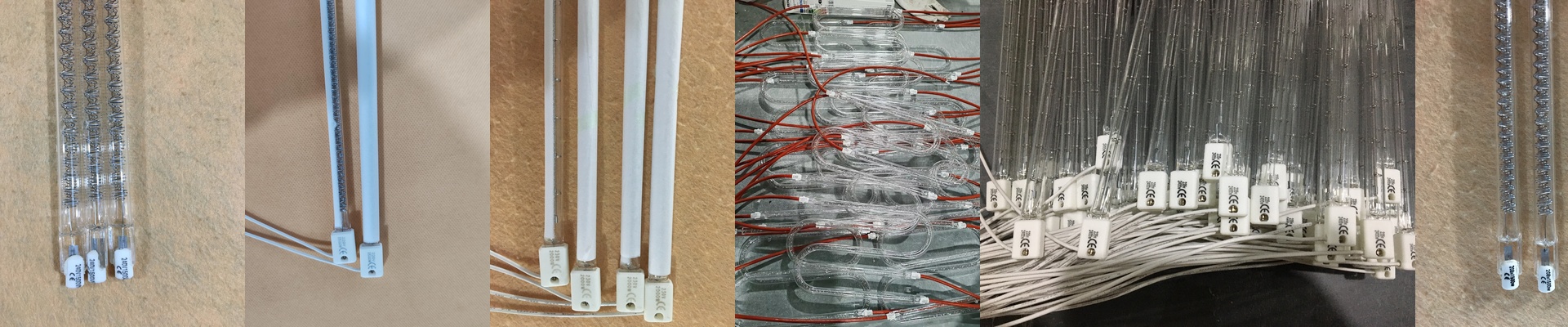
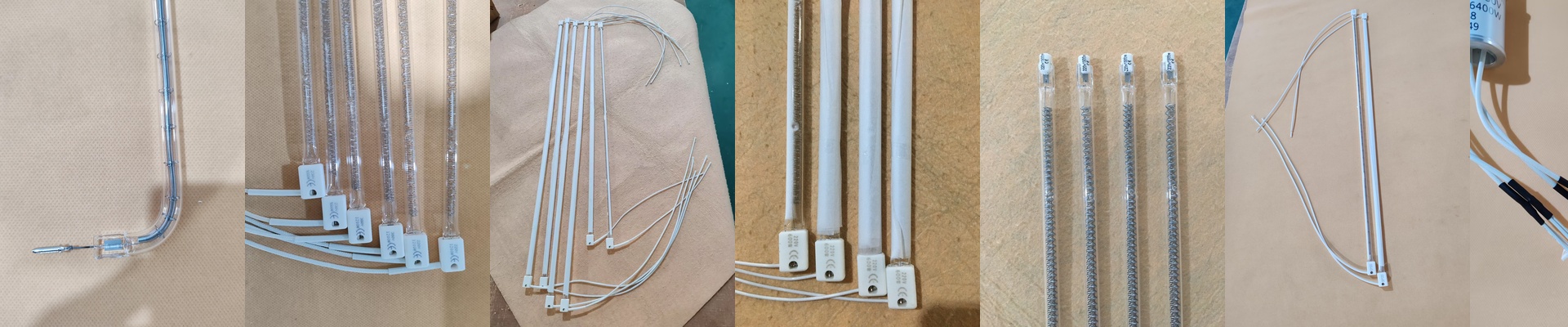
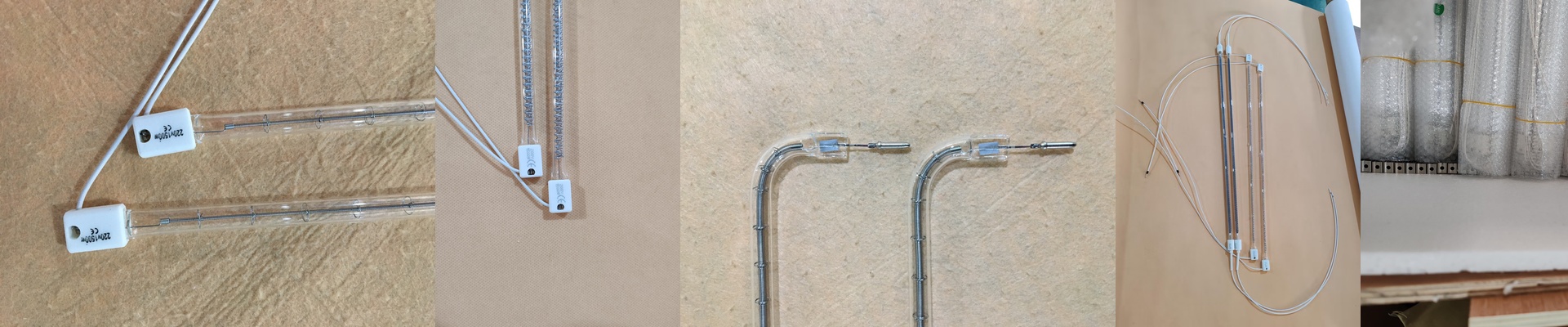
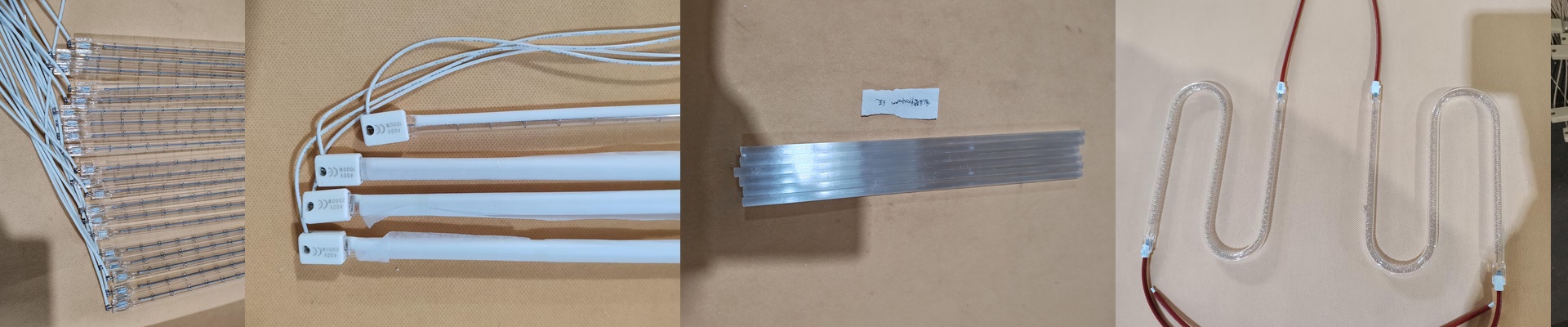
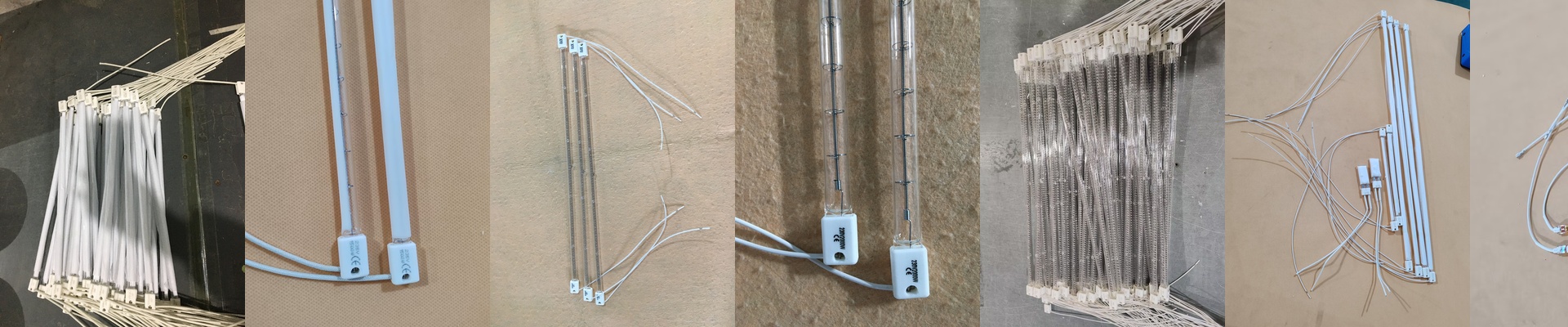
Let’s talk about the 500W Halogen Infrared Lamp
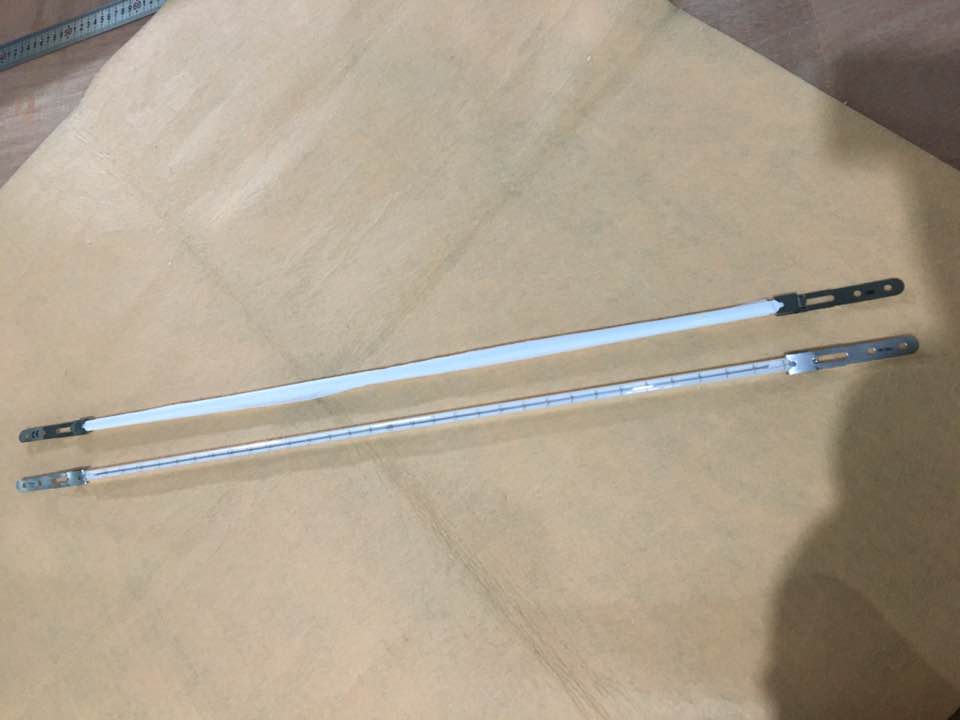
If you need to get something hot—and you need it to happen now—this is the tool for the job. We built these lamps to punch way above their weight class, using shortwave radiation to blast concentrated heat exactly where it needs to go. Inside, there’s a tungsten filament tucked into a quartz tube and filled with halogen gas. It sounds technical, but here’s the real-world benefit: the gas stops the tungsten from evaporating too quickly. That means the lamp lasts longer and hits much higher temperatures than your run-of-the-mill heater. The power side of things At 500W, these things ramp up fast. Really fast. When you’re picking one for your setup, just remember that the wattage is basically your “speed dial” for reaching your target temperature. Most of these fit right into standard industrial power setups, but do me a favor: double-check your current draw. You don’t want to fry a brand-new lamp because the power supply wasn’t a match. Also, since so much energy is packed into such a small space, you’ve got to keep your reflectors aligned. If they’re off, you’re just wasting heat by leaking it into your machine’s frame. Why quartz and halogen? Rapid cycling can be brutal on equipment. The quartz glass is there because it doesn’t freak out when the temperature jumps up and down. And that halogen cycle? It basically cleans up after itself, putting evaporated tungsten back onto the filament. It keeps your heat output steady for thousands of hours. Plus, we used standard plug-and-play connectors, so when it’s time for a swap on the factory floor, you aren’t fighting with the hardware for an hour. Using them in the wild You’ll see these all over the place—PET blowing, curing paint, welding plastics. They’re great drop-in replacements for those old, clunky IR tubes. Because they use shortwave radiation, the heat doesn’t just sit on the surface; it sinks right into the material. But here’s the catch: they areintense. The quartz tube gets incredibly hot. If you put your workpiece too close, you’re going to scorch it. It’s all about finding that sweet spot—the perfect gap—to make sure your temperature stays even across the board.