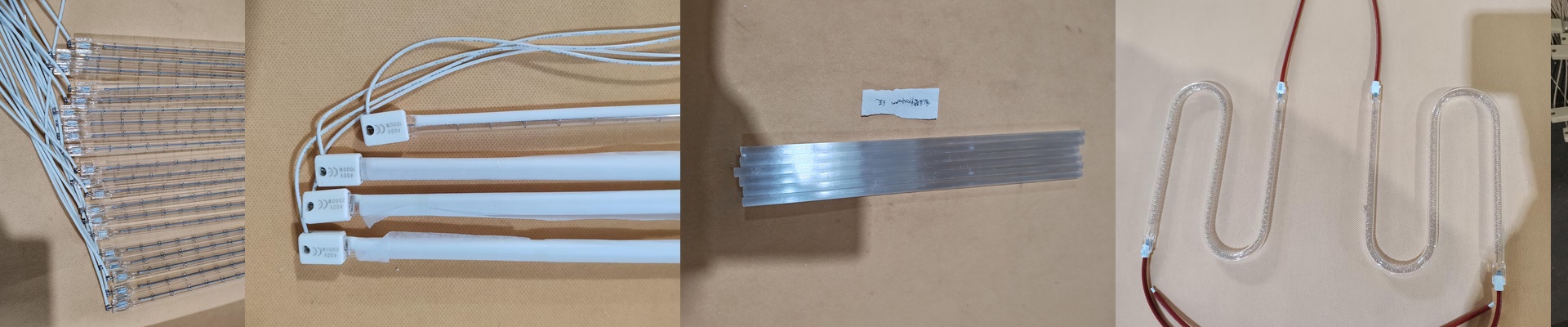
Why “Dumb” Heat Bulbs Are Finally Getting Smart
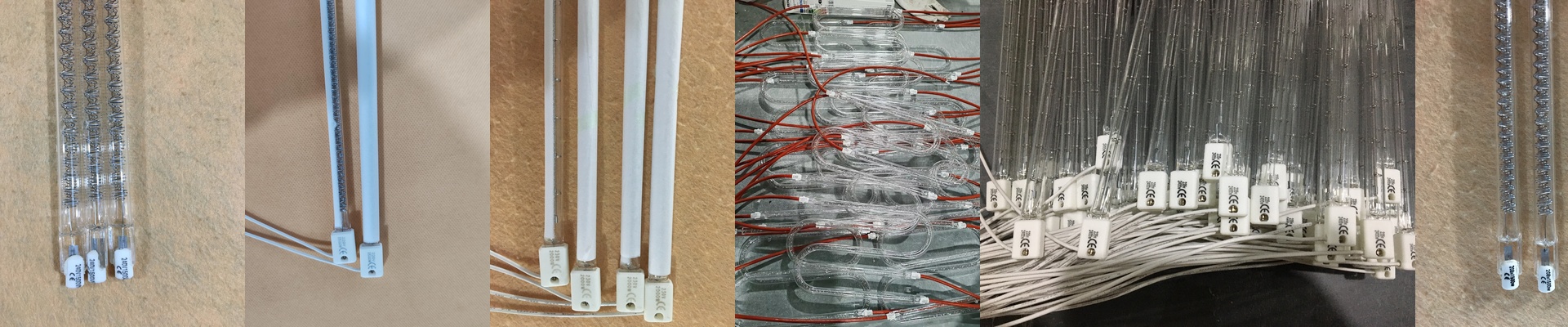
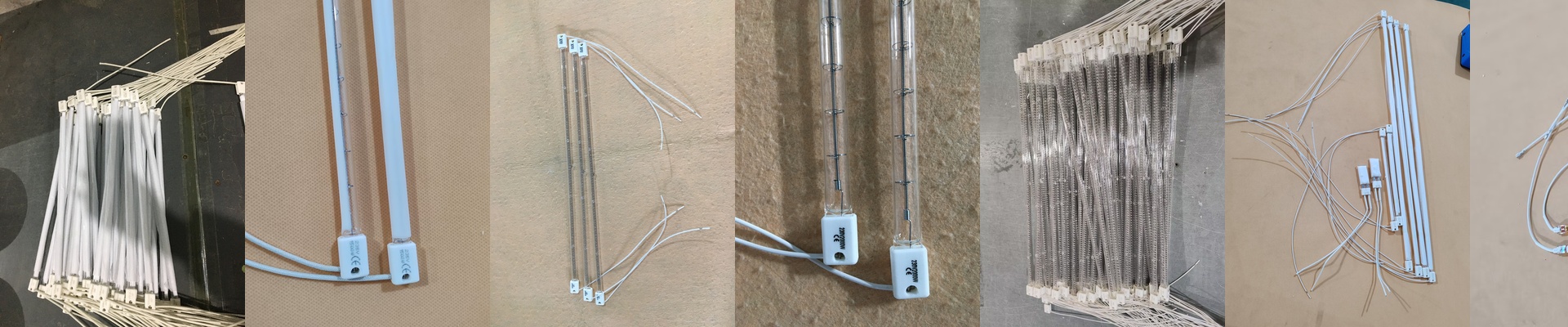
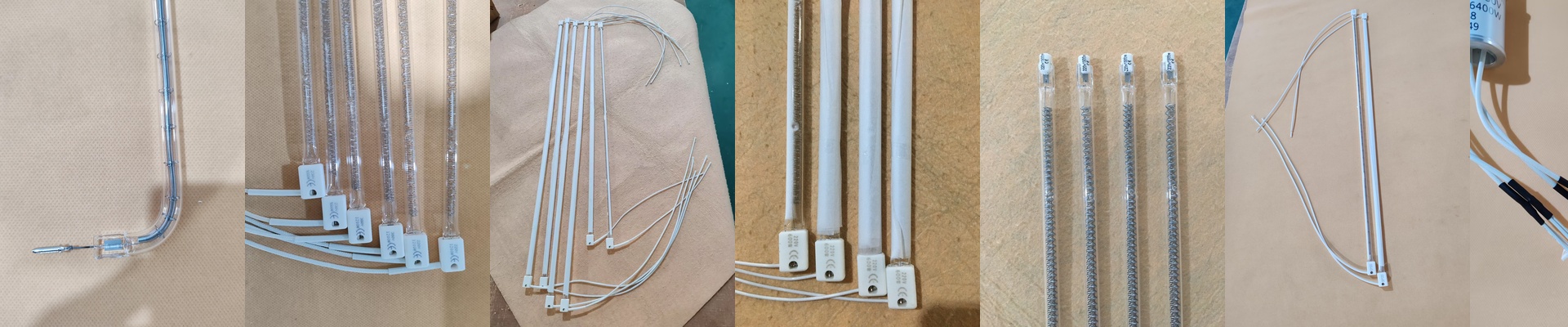
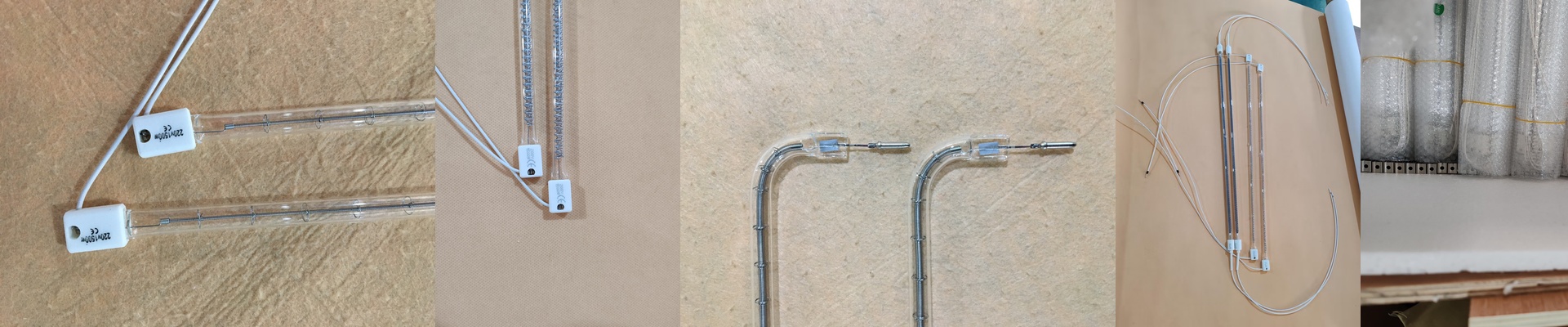
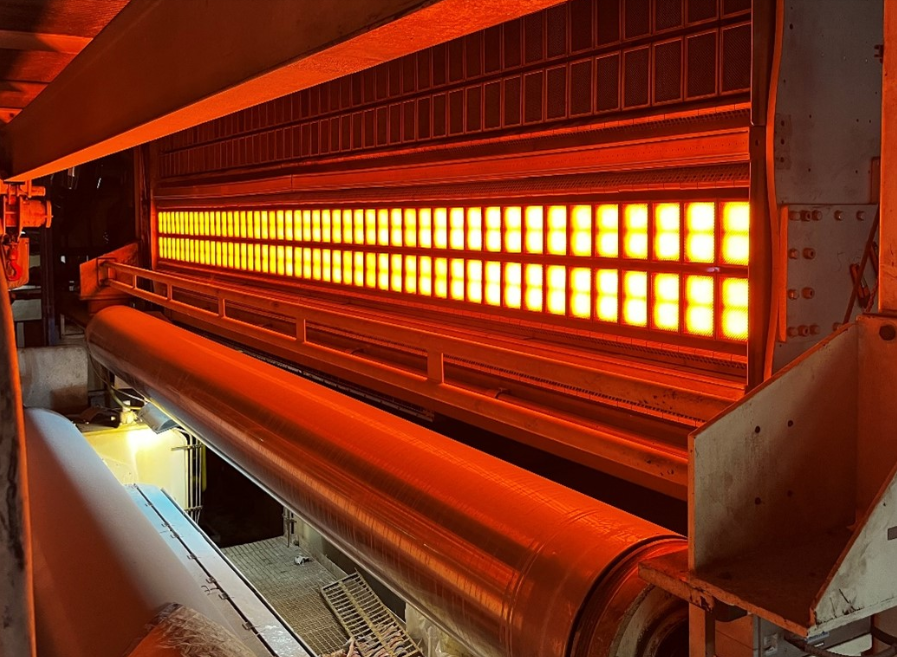
For a long time, textile heating bulbs were pretty basic. You plugged them in, they got hot, and you hoped for the best. But we’re moving away from those simple quartz tubes. In this business, if your heat isn’t consistent, you’re in trouble. A tiny dip in temperature and suddenly your fabric isn’t bonding right or the curing is patchy. It’s a headache nobody wants. The shift to smarter gear Most lamps just run on a simple loop: on, off, repeat. But things are changing. We’re starting to put sensors right into the lamp housing. This lets the tube actually “talk” to the machine. Instead of relying on a thermocouple sitting way off in the corner measuring the air, the system knows exactly what’s happening with the filament and the power draw in real-time. It’s a huge relief. You can actually see when a bulb is about to give up the ghost before it pops. No more sudden crashes on the factory floor or frantic midnight repairs. The tricky part: Heat vs. Electronics Here’s the thing: electronics and 500°C temperatures don’t get along. At all. To make this work, we have to keep the communication modules isolated from the quartz part of the bulb. And guess what? We’re moving toward digital protocols. It sounds technical, but it basically means you don’t have to run a thousand separate wires to connect a hundred tubes across a massive dryer. It just makes the wiring a lot cleaner. What this actually means for your floor The best part? You can stop guessing. If you’re switching fabrics with different weights or moisture levels, you can just tweak the wattage on the fly. It’s a much more intuitive way to work. But, there’s a catch. These smart tubes cost more than a cheap halogen bulb. You also need a controller that can actually understand the data. If you’re running a machine from 20 years ago, you can’t just swap the bulbs and call it a day. You’ll probably need a new control board to make sense of all that new information.