Shortwave vs. Medium-Wave: Which Lamp Actually Works for Your Textile Line?
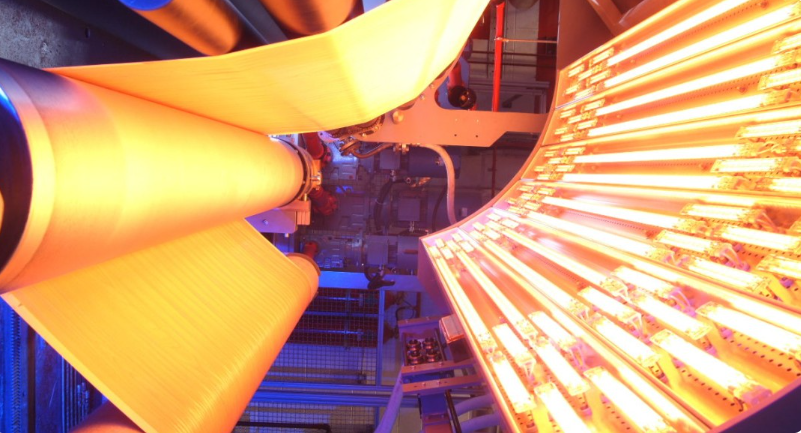
If you’re putting together a textile drying line, you’ll eventually hit the big question: shortwave or medium-wave infrared? Here’s the thing. Neither one is “the winner.” It all comes down to how the light hits your fabric and how you want that moisture to leave the material.
Let’s talk wavelengths
Shortwave lamps are like a shot of adrenaline. They hit the surface with high energy and get the job done fast. If you’re flash-drying a coating or need something to heat up the second you flip the switch, this is your go-to. But be careful. Because they’re so aggressive, they can scorch delicate synthetics if your belt speed is off. One wrong setting and you’ve got a ruined batch of fabric. Then you’ve got medium-wave. It’s a different beast. The energy doesn’t dive as deep, but it “vibes” better with water molecules. It’s the real workhorse for those thick fabrics where you need to pull moisture out of the very core. It’s less about the sprint and more about a steady, consistent soak.
The grit: Quartz and heat
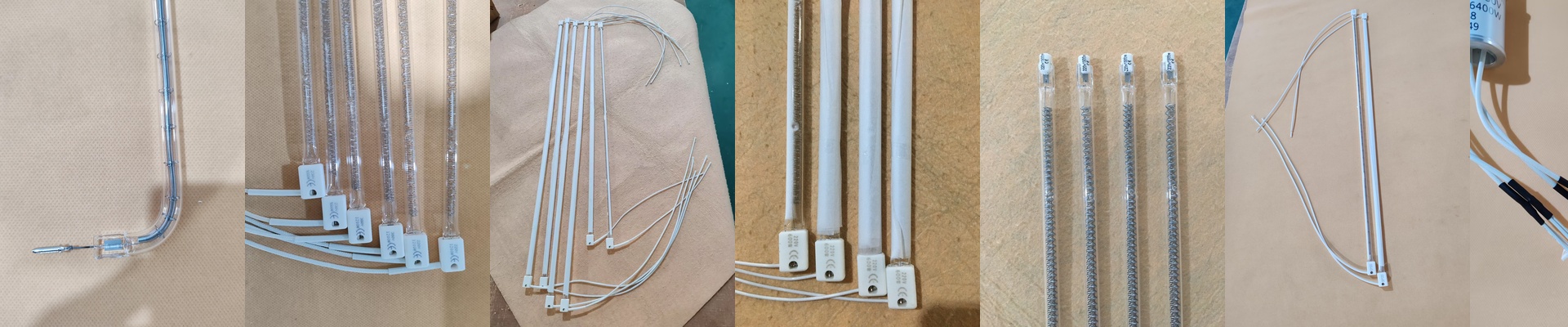
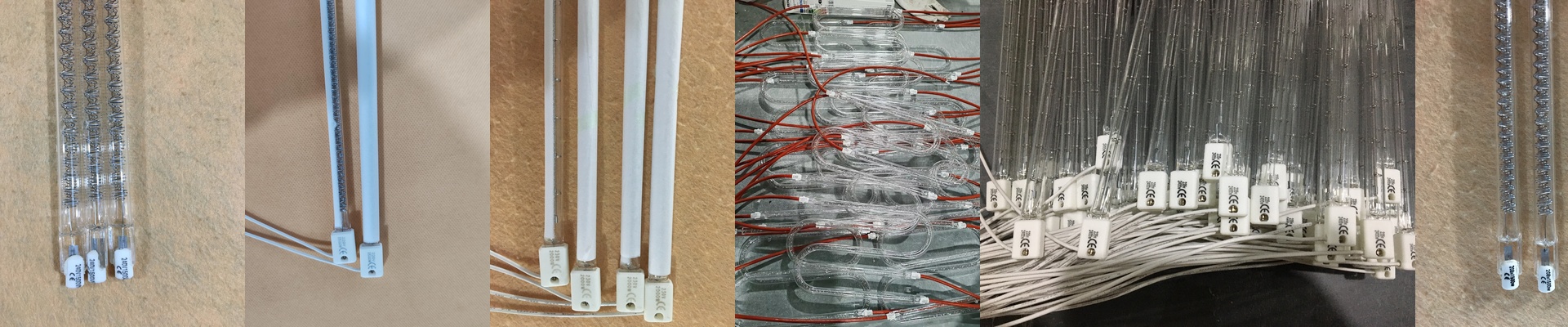
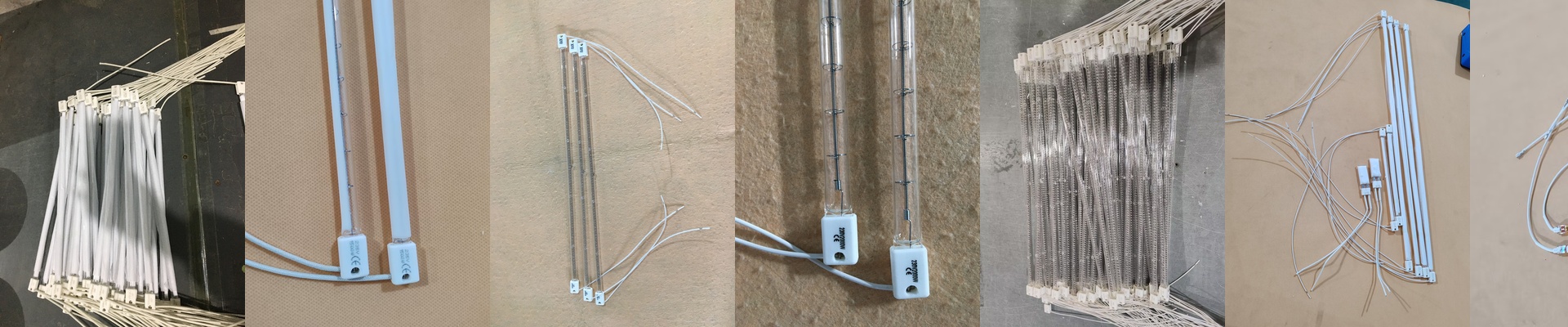
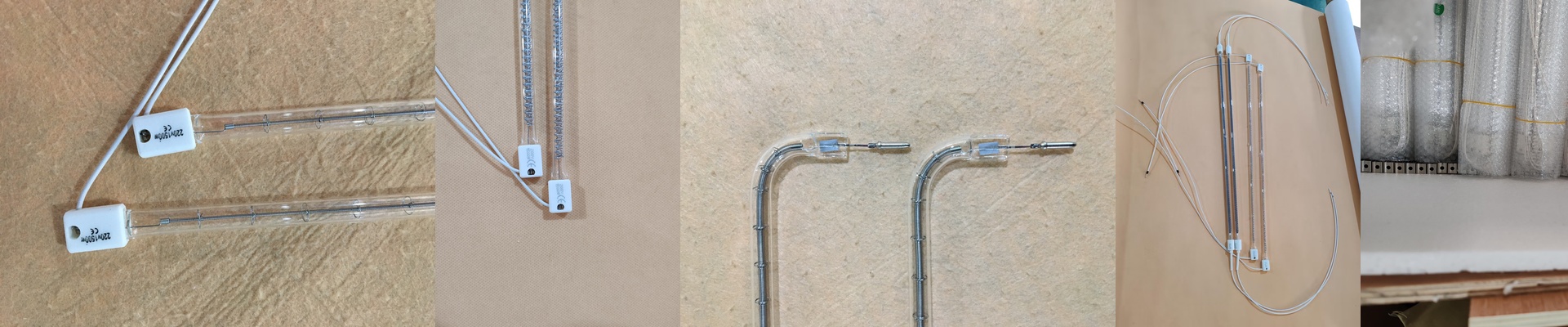
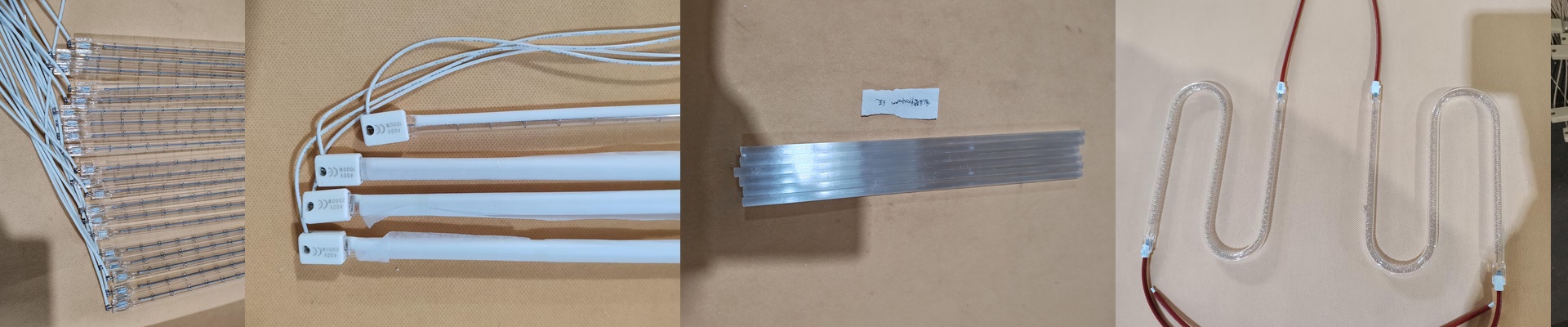
We build these tubes out of high-purity quartz for a reason. When you kick a 2000W+ tube into gear, the thermal shock is intense. Cheap glass just can’t take it—it’ll crack the first time you cycle the power, and that’s a headache nobody needs. One thing to keep an eye on is your footprint. If you cram high wattage into a short tube, you get a lot of heat in a small space. That puts a ton of pressure on the quartz. And please, check your reflectors. Seriously. If they’re misaligned, you’re basically throwing half your energy into the air. Worse, the tube can overheat and burn out way before its time.
The trade-off
It really boils down to speed versus penetration. If you decide to go with a high-wattage shortwave setup to shave time off your process, just make sure your cooling system can keep up. If the drying chamber gets too hot, you’ll be tripping thermal sensors all day, and that completely kills your momentum.