Stop Just “Baking” Your Parts
Most shops treat their powder coating heaters like a giant toaster. You turn it on, it gets hot, and you hope for the best. But there’s a massive difference between a finish that’s just “baked” and one that’s actually cured. It all comes down to how you handle the heat.
Getting the heat where it counts
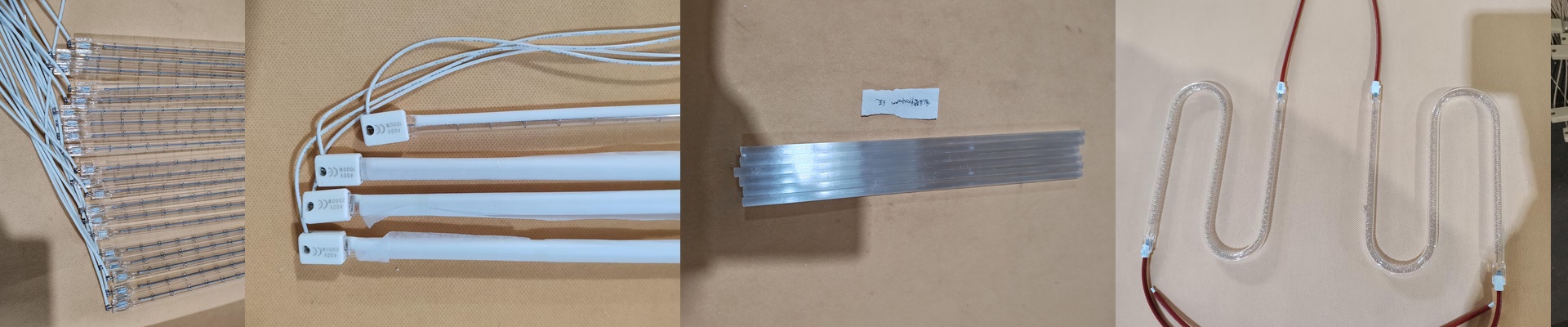
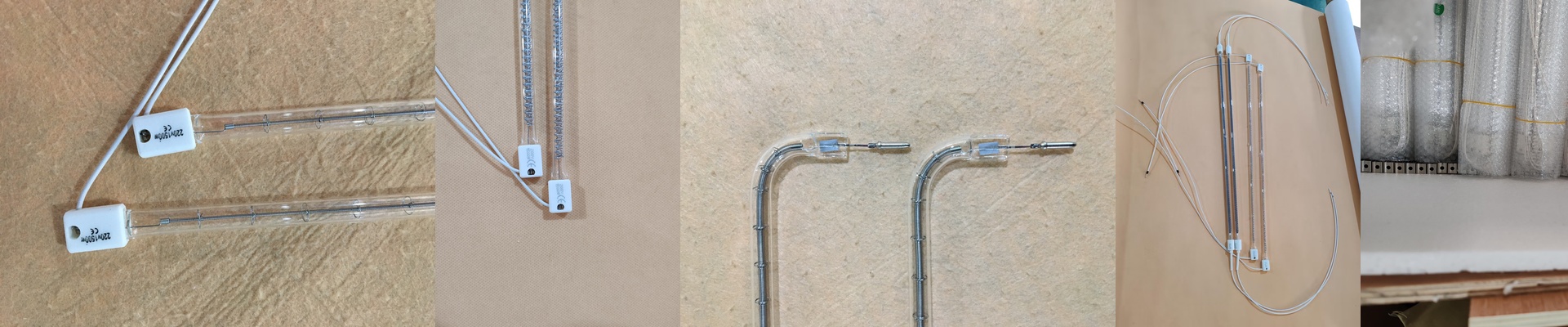
We focus on wattage-per-centimeter. Why? Because we want to hit those curing temps fast without scorching the powder. High-wattage quartz elements get you up to speed quickly. That means your cycle times drop and you can push way more parts through the oven every hour. It’s a win for your bottom line. But here’s the catch: high heat density puts a lot of stress on your electrical setup. If you go with a high-output array, double-check your wiring and contactors. If they aren’t rated for a continuous heavy load, they’ll burn out. And nobody wants to deal with a dead line on a Tuesday morning.
The secret is in the light
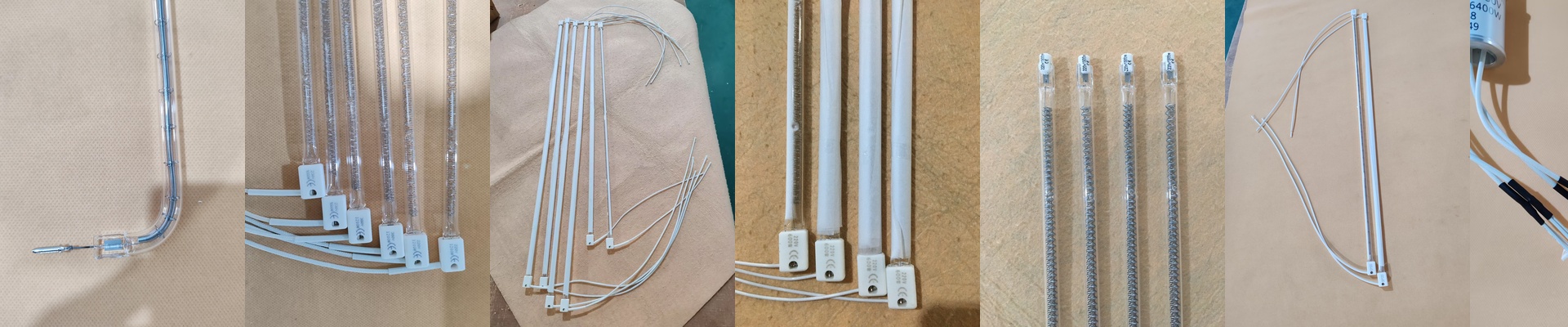
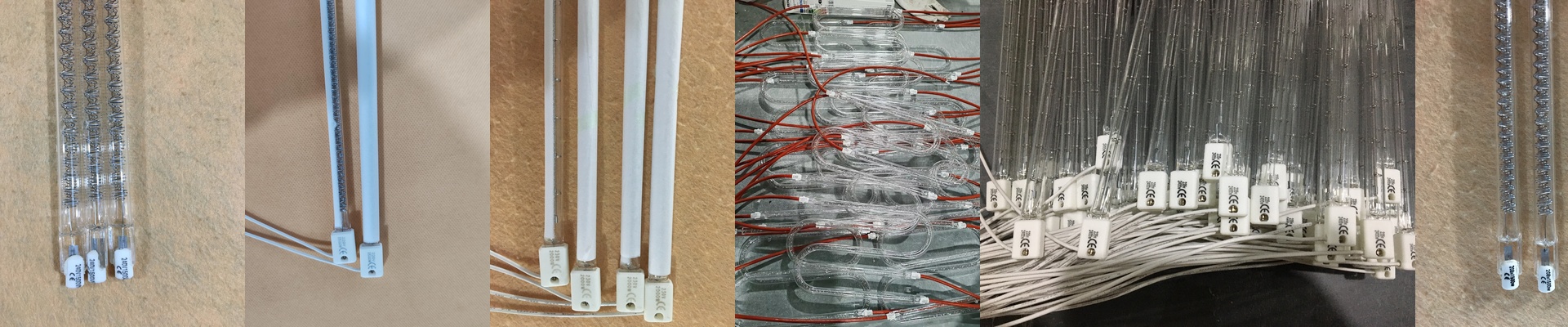
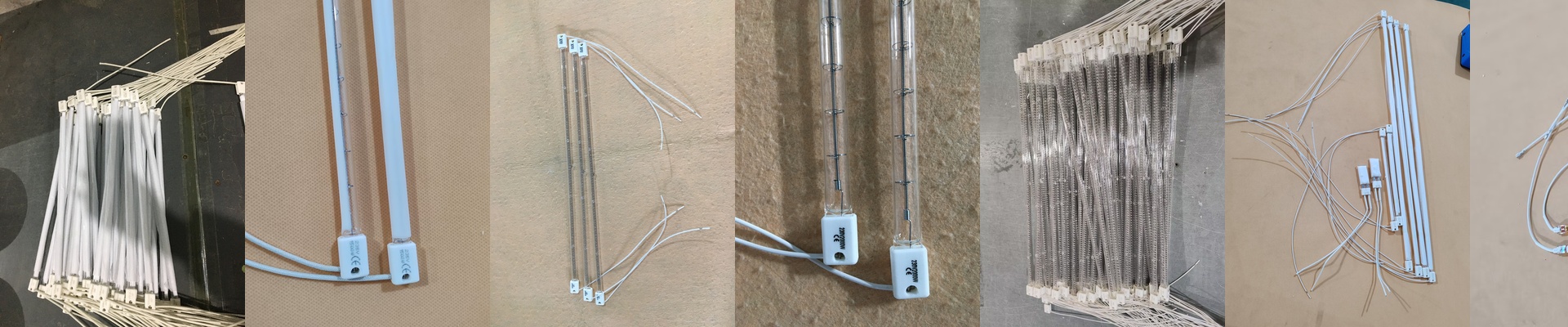
We use specialized quartz glass and halogen-filled tubes to change how the heat actually moves. Standard convection just hits the surface. Shortwave IR is different—it punches right through the powder layer. This means the metal underneath actually gets hot, which is the only way to get a proper cure. And since shop floors are noisy, vibrating places, we use R7s or SK15 connectors. They lock in tight. No rattling, no loose lamps, no headaches while the conveyor is humming along.
Making it work on your floor
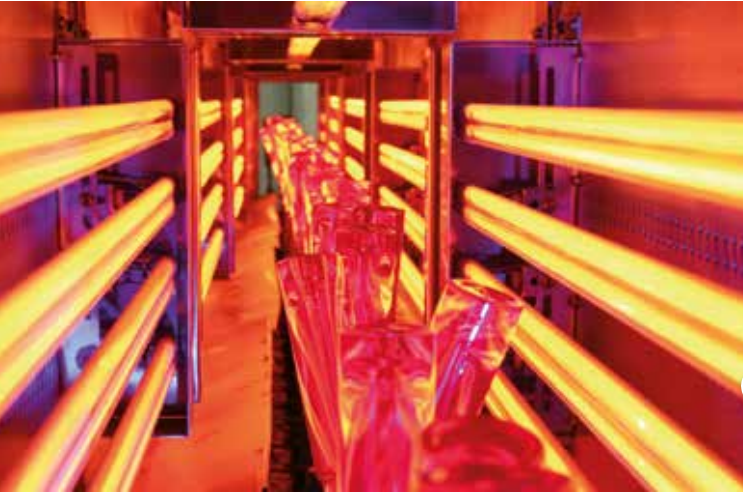
These heaters are designed to just slide right into your existing curing tunnels. We spend a lot of time obsessing over tube length and voltage because “cold spots” are the enemy. When one part of the oven is cooler than the rest, you get that annoying “orange peel” texture. We hate that. We want a smooth, uniform finish every single time. Just a heads-up: when you crank up the IR intensity, you’ve got to tweak your belt speed. If the parts crawl too slowly, you’ll toast the edges. Find that sweet spot, and you’re golden.