Stopping the Fog: How to Deal with Vapor in Textile Drying
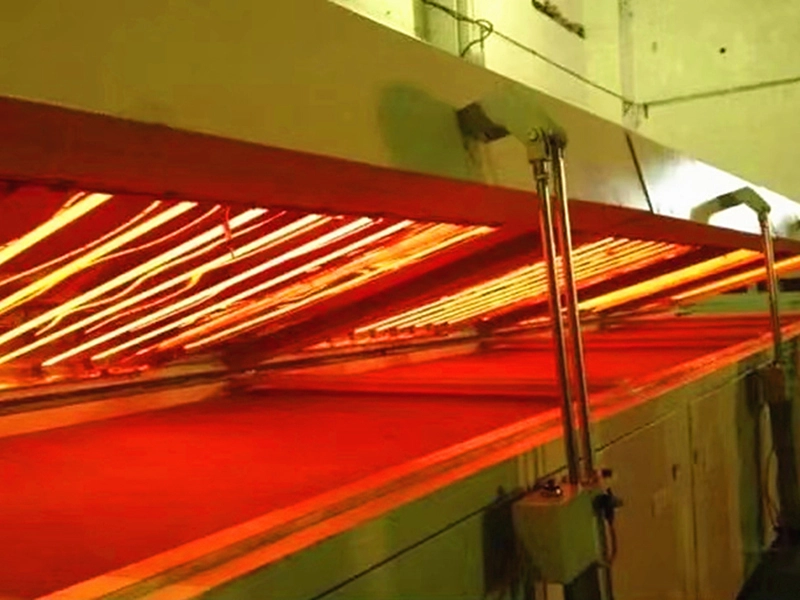
If you’ve ever run a textile drying line, you know the struggle. You’re pushing water out of the fabric, but that steam has to go somewhere. Usually, it ends up clinging to the quartz envelopes of your infrared lamps. It creates this annoying fog. Suddenly, your heat isn’t hitting the fabric evenly. You get these localized hotspots that are a nightmare—they either ruin the fabric or, worse, blow out your tubes way before they should.
The Trick to Beating the Fog
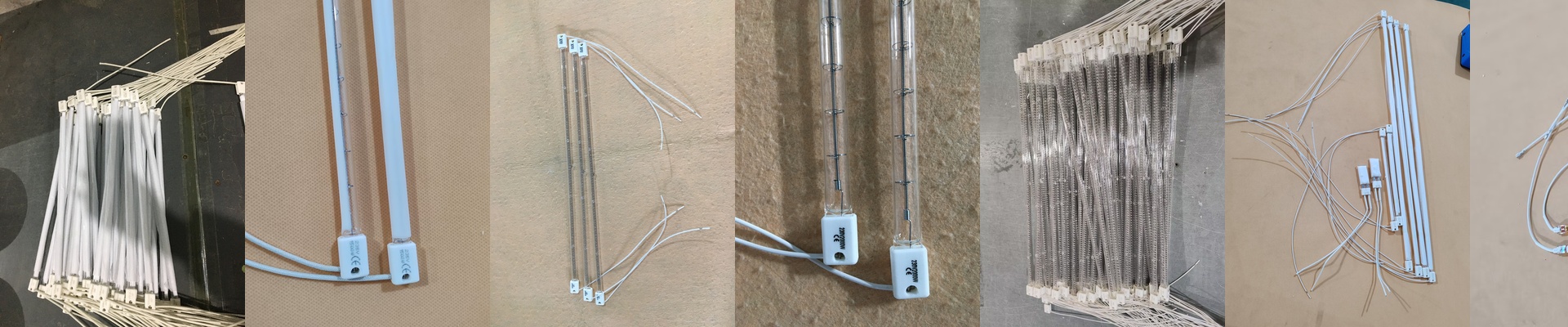
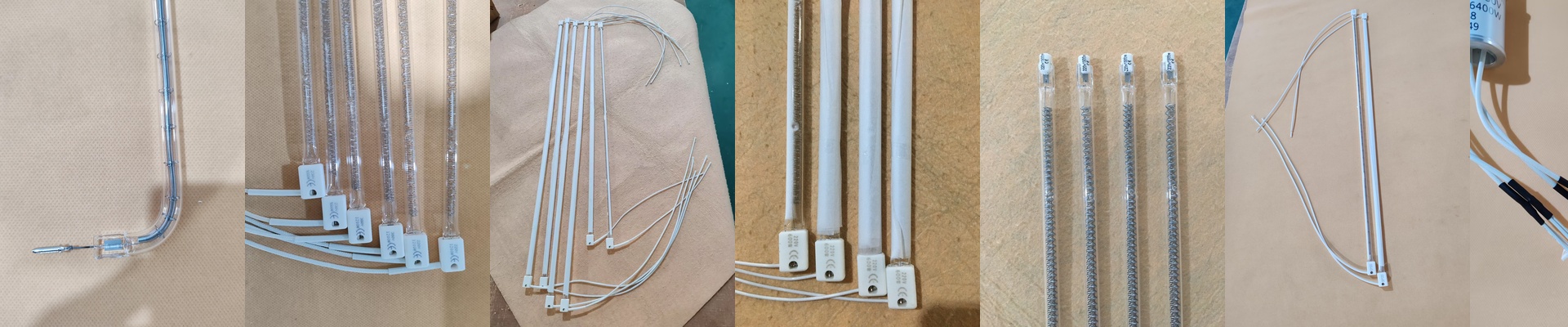
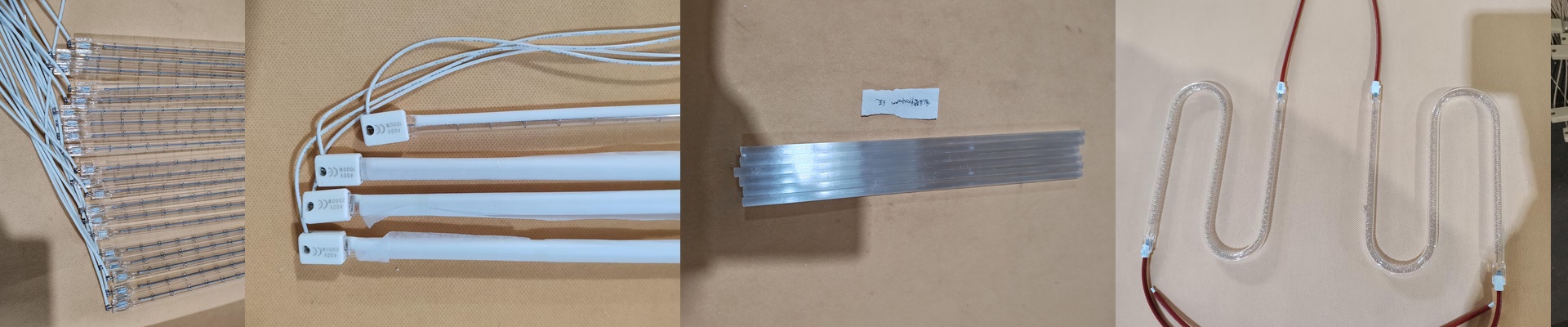
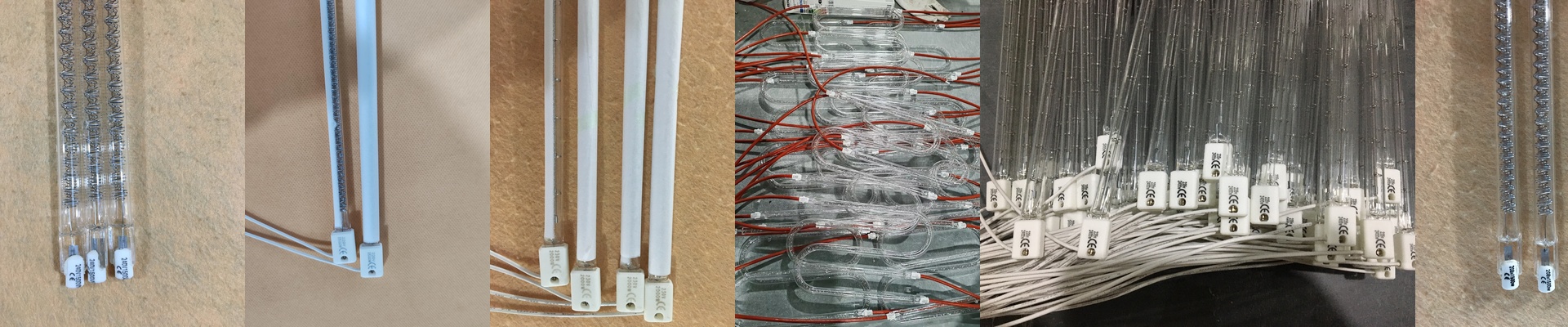
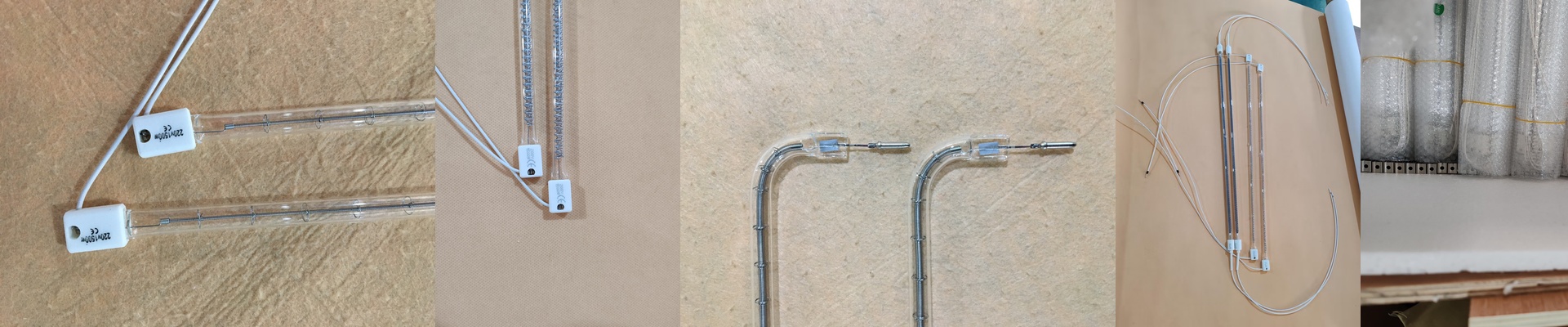
We don’t just leave the lamps exposed to the elements. Instead, we wrap them in a shielded housing that actually manages how the air moves around the lamp. Here’s the secret: it’s all about the temperature gradient. By keeping the dew point away from the glass, the moisture simply can’t settle. No condensation, no fog. The result? Your heat flux stays steady. The lamp doesn’t have to fight through a wall of steam to do its job.
The Nitty-Gritty (and the Trade-offs)
We use high-purity quartz for the best possible short-wave transmission, and we often add specialized coatings that basically tell water droplets to get lost. But look, there are a few things to keep in mind. These anti-fog housings take up more space. If you’re swapping these into an old line,double-check your clearances firstso you don’t run into a fitment issue. And while your lamps will last much longer, the housings aren’t magic. You’ll still need to wipe down the lint that builds up from the textiles, or you’ll lose that efficiency.
Why This Actually Matters
The biggest win here is avoiding thermal shock. When a cold drop of moisture hits a scorching hot lamp, it can cause tiny micro-cracks. That’s usually how burn-outs start. Our approach kills that risk entirely. You get a smooth, stable output across the whole width of the fabric. If you pair this with a precision PID controller, you can dial in your temperature zones perfectly. No more worrying about scorching the material or dealing with patchy drying. It just works.