Stop Guessing with Your Heat
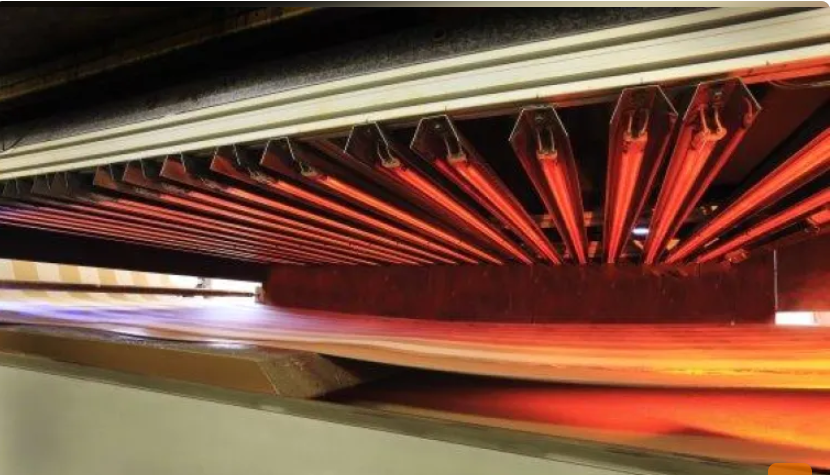
Most textile plants treat heat like a utility—you just turn it on and hope for the best. But here’s the thing: heat is actually what decides if your fabric comes out perfect or ruined. When we talk about “precision thermal management,” we’re really just talking about being smart with infrared (IR) radiation. It’s about hitting the fabric with the exact wavelength and intensity it needs. No more scorched edges. No more wasting a ton of electricity just to heat up the air around the machine.
Why Some Lamps Just Keep Going
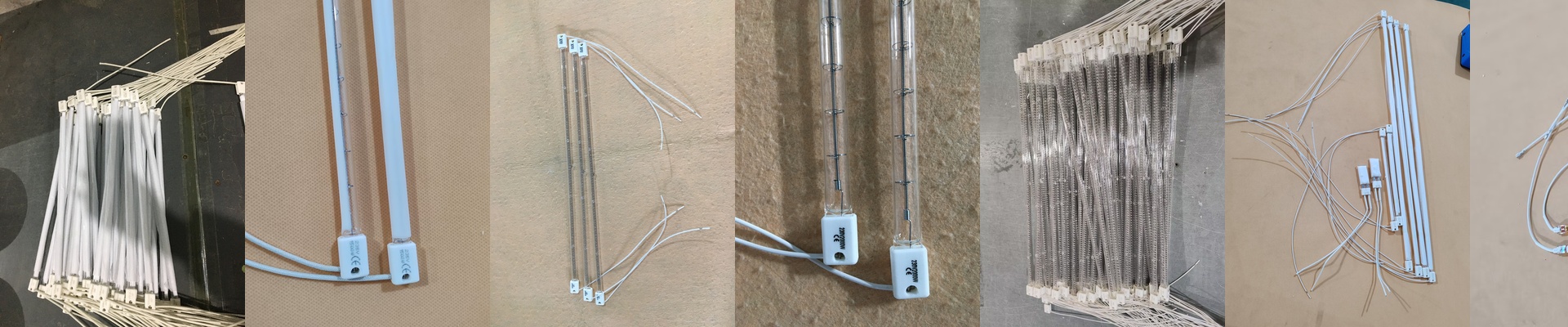
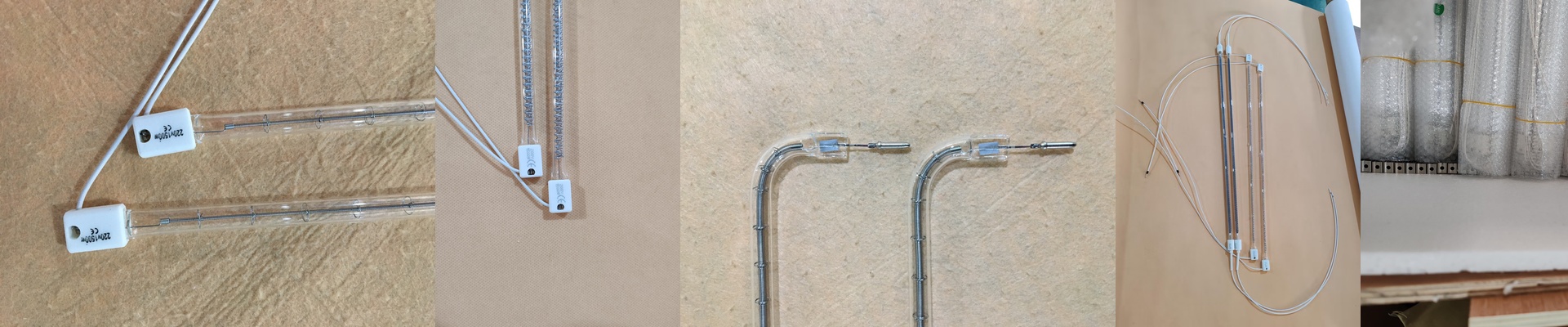
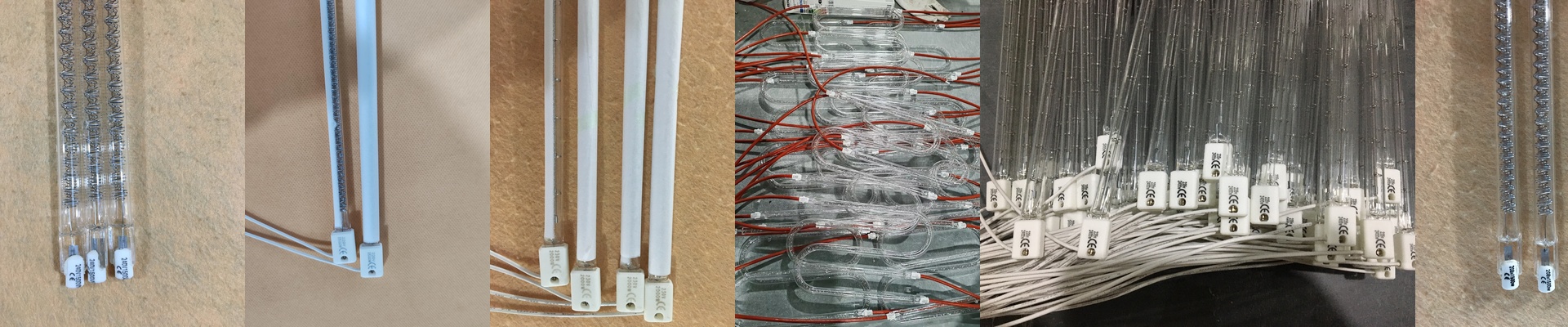
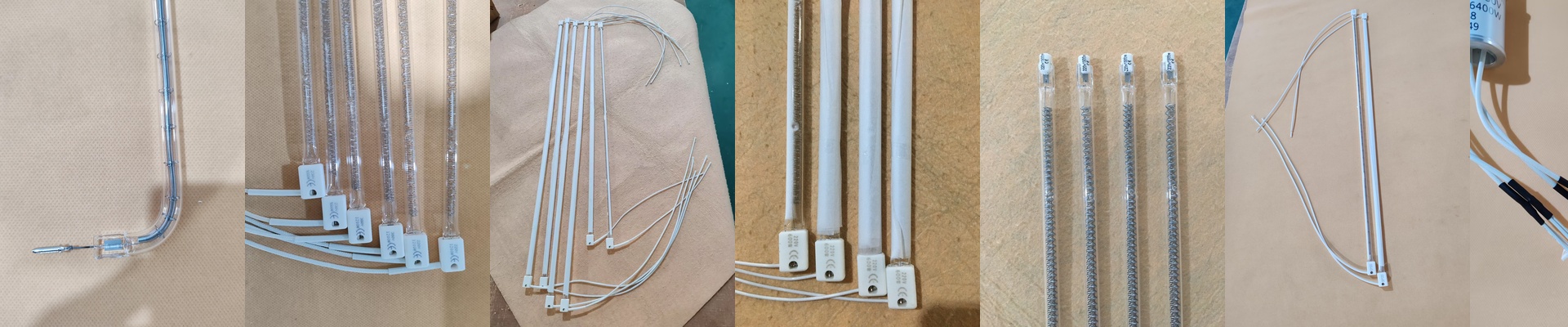
Nobody likes it when a lamp burns out every few months. It’s a pain to replace and it kills your momentum. To fix this, we don’t just throw in a thicker wire and call it a day. That’s not how it works. We focus on the gas fill and the ratio of the filament to the quartz. The real killer is the stress that happens when you flip the switch on and off. That’s why we use high-purity quartz tubing. It doesn’t crystallize, which means the tube doesn’t get brittle and crack after a few hundred heat cycles. It just stays tough. And a quick tip: make sure your lamp actually matches your material. Short-wave IR digs deep into synthetics. Medium-wave is your go-to for surface drying. If you pick the wrong one, you’ll probably find yourself cranking the power to make it “work,” and that’s the fastest way to fry your lamp and inflate your power bill.
The Trade-offs You Need to Know
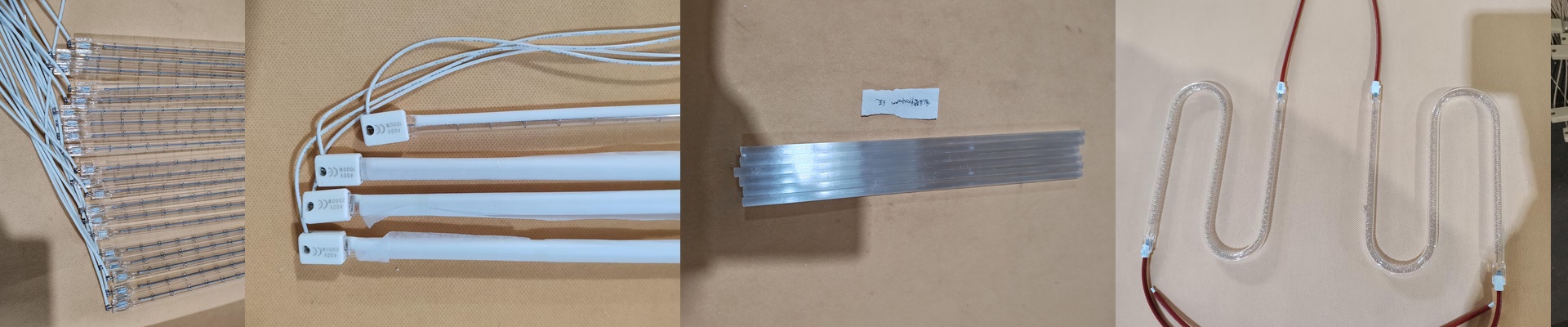
Sustainability sounds like a corporate buzzword, but in a plant, it’s pretty simple: it’s about how often you have to climb a ladder to replace a part. A lamp that lasts 10,000 hours instead of 2,000 means way less hazardous waste and way less downtime. But you have to be careful with your setup. A short, high-wattage tube gives you a massive punch of heat, but it creates a hot spot that can ruin a roll of fabric. We usually suggest longer tubes with the wattage spread out. You get an even heat profile across the whole width of the material. Just a heads-up: if you go with higher wattage per inch, your power supply will feel it, and you’ll need better ventilation so your housing doesn’t warp. Get the wiring right, and you’ve got a replacement that just works.