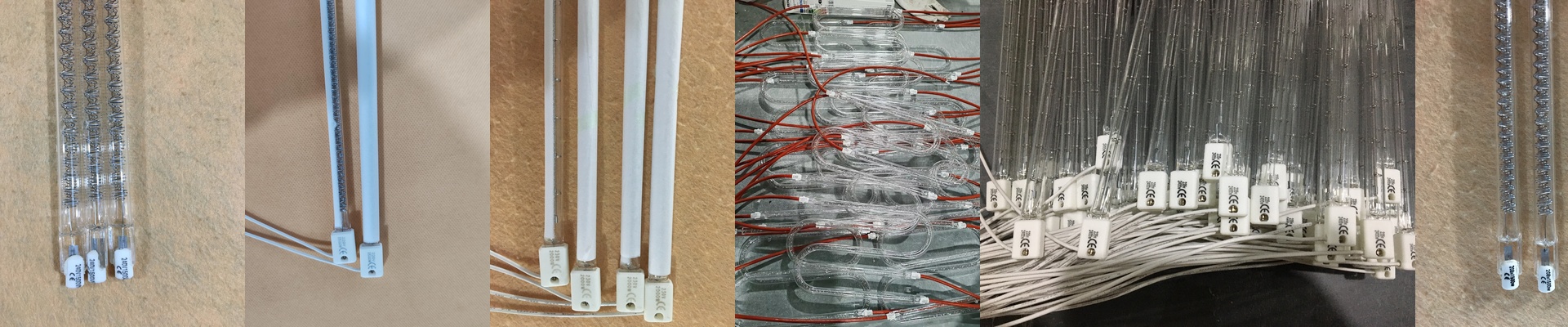
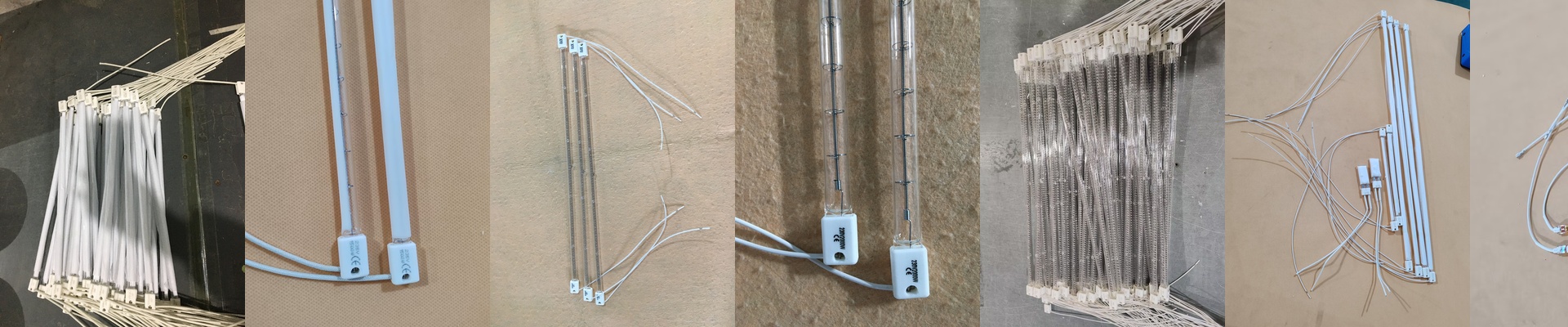
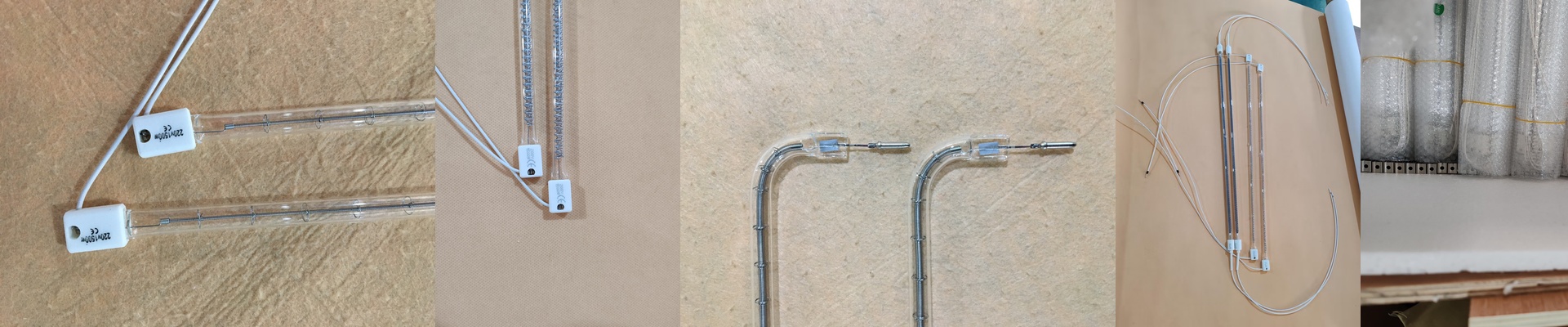
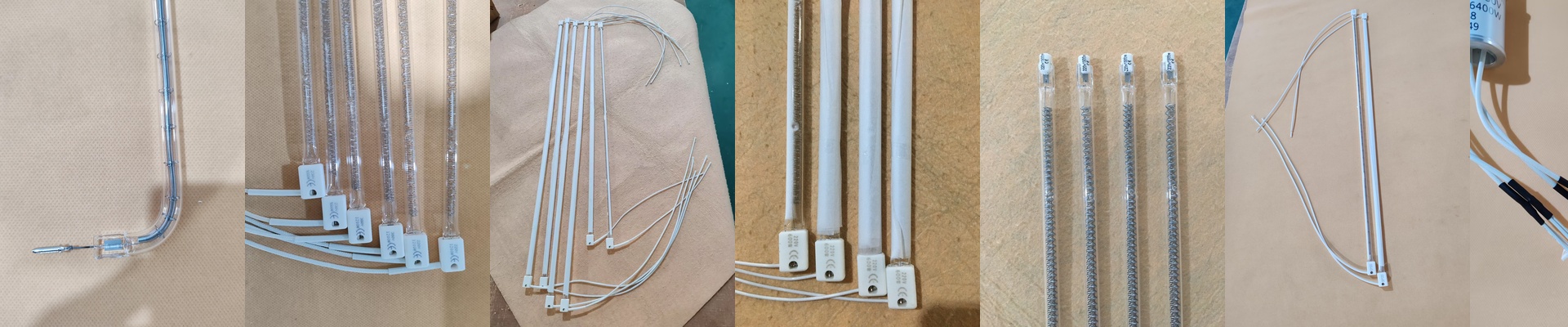
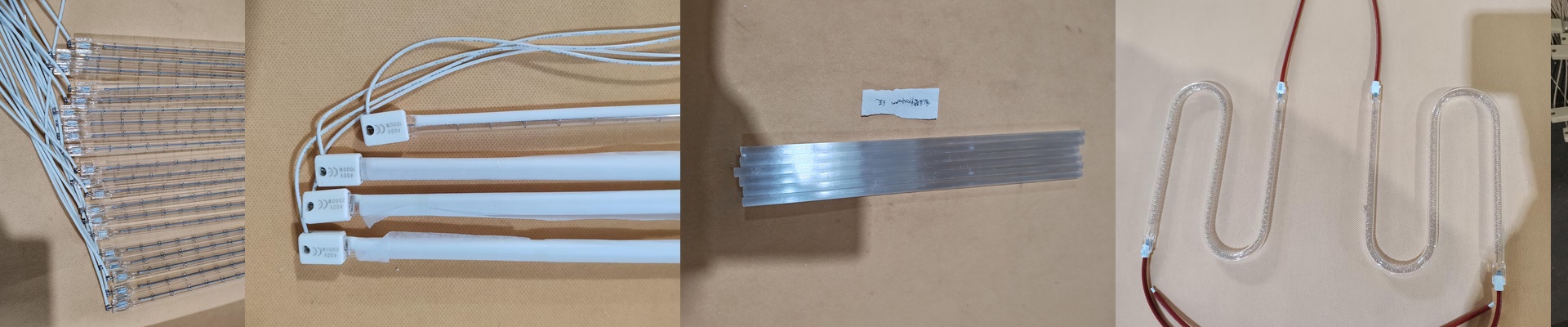
Stop Throwing Away Your IR Lamps
Let’s be honest: there is nothing more annoying than a curing line going down because another lamp burned out. It’s a headache. It’s downtime. And frankly, it’s a waste. Tossed quartz glass and tungsten filaments are piling up in landfills way too fast just because people keep buying the cheapest bulbs they can find. We decided to do things differently. We build our fabric IR lamps for the long haul. The goal isn’t just to save you a few bucks on replacements—it’s to stop the constant cycle of “burn, toss, repeat.”
Getting the heat right
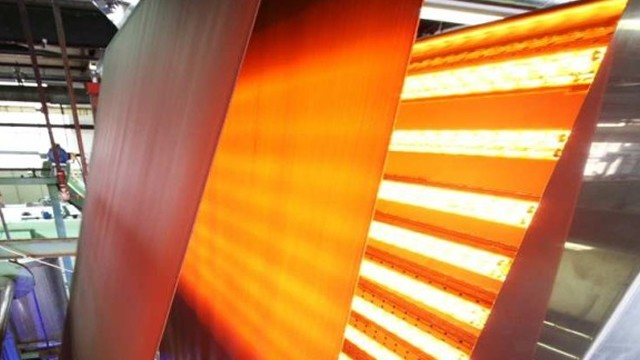
Industrial fabric dryers are brutal. To get through thick synthetic blends without scorching the surface, you need some serious power. But here’s the tricky part: if you cram too much power into a short tube, you’re basically asking the filament to snap. We spend a lot of time balancing voltage and wattage so your lamps don’t give up the ghost during those first 500 hours of break-in.**But a word of warning:**your power controllers have to be dialed in. If your voltage is mismatched, it’ll kill a high-end lamp faster than any design flaw ever could.
The secret is in the glass
We use high-purity quartz because nobody wants their lamps to get cloudy and lose efficiency. Inside, we use a halogen cycle. Think of it as a recycling system for the lamp—as the tungsten evaporates, the gas mixture pushes it right back onto the filament. It keeps the wire thick and the lamp running longer. Depending on what you’re working with—specific dyes or adhesives—we can add different coatings to shift the heat spectrum. Just keep in mind that while these coatings protect the lamp, they might make the warm-up time a tiny bit slower.
Making it actually work in the real world
We use standard connectors, so these are simple drop-in replacements. No fuss. But here is the thing: a lamp is only as good as the socket it sits in. If it isn’t seated perfectly, it’ll arc out and die in a week. If your housing is warped or the contacts look pitted and burnt, a brand new lamp isn’t going to save you. We build these to handle the grit and dust of a textile mill. As long as your ventilation is doing its job and keeping the air cool, these things can take a beating.