Can you actually save an old powder coating line by just swapping the IR elements?
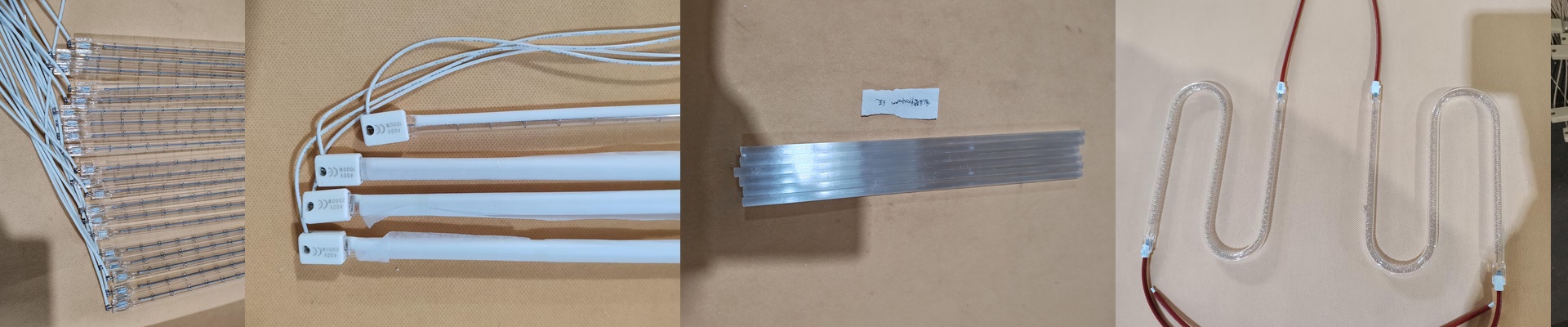
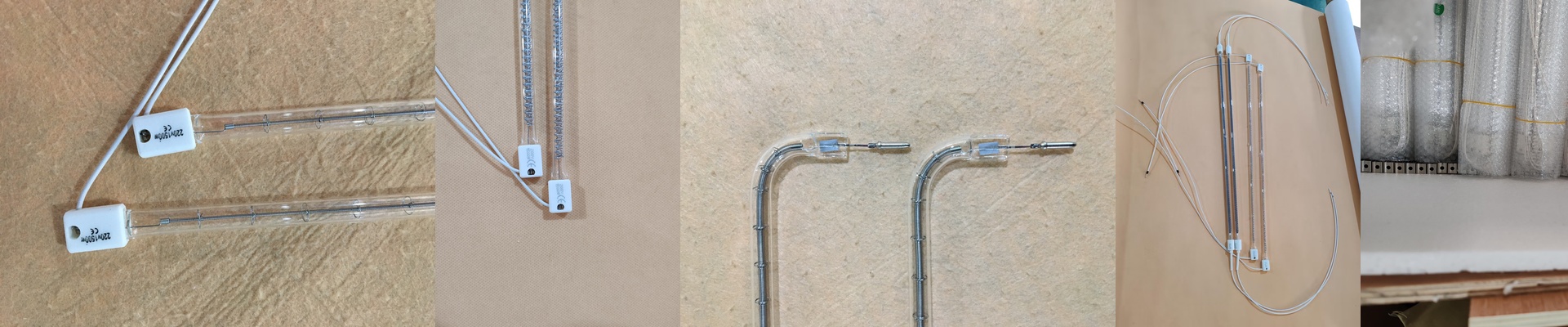
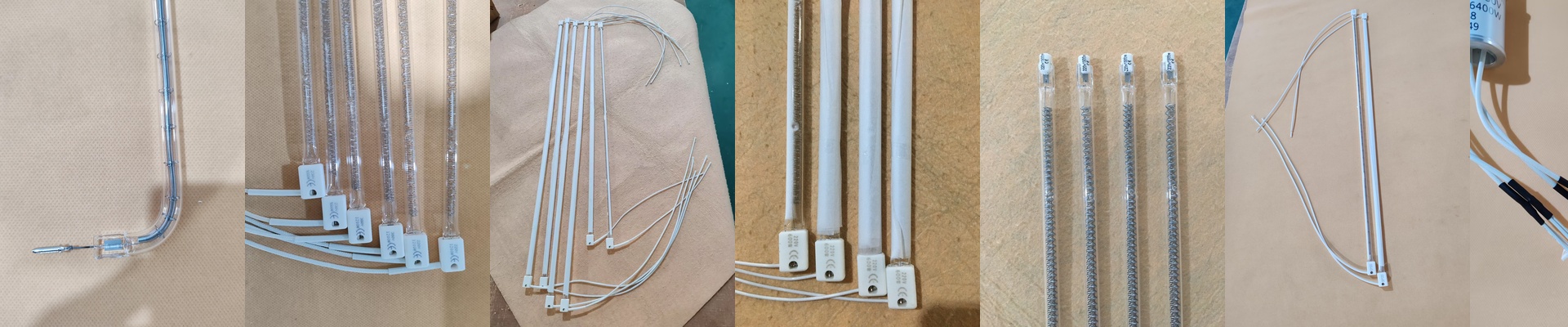
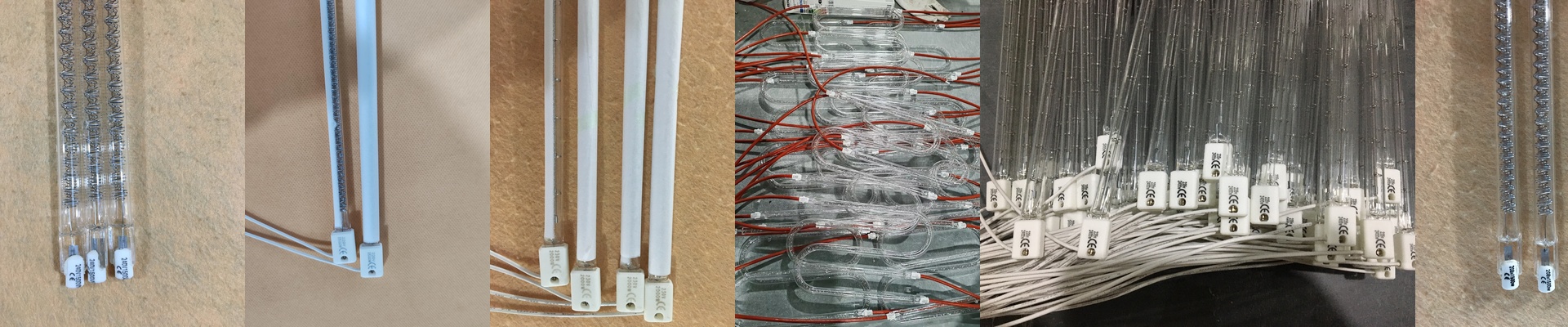
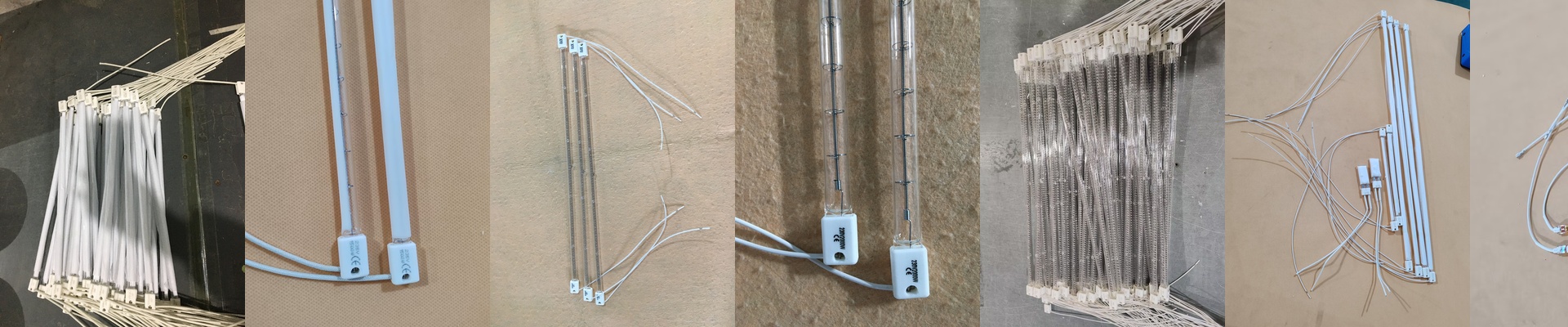
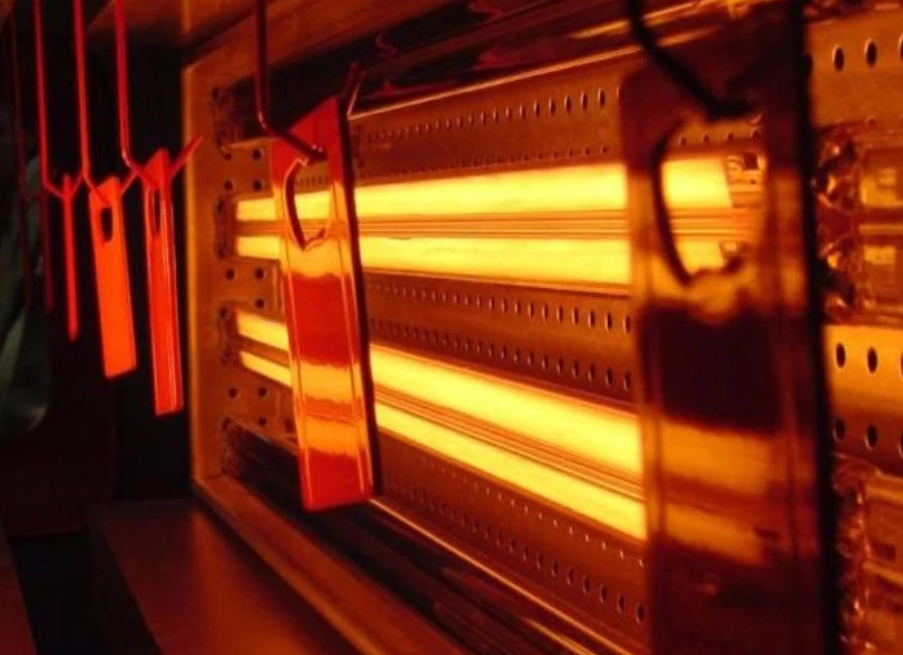
Let’s be honest: old curing ovens are a pain. They hog electricity, they have those annoying cold spots, and they make you wonder if it’s finally time to just scrap the whole line. But before you spend a fortune on a brand new system, there’s a simpler way. You can just swap out the old infrared (IR) lamps. Putting in modern, high-density IR tubes can fix those heat gaps without the nightmare of a full system teardown. The real secret to the upgrade It’s not as simple as just buying a new lightbulb. You have to look at the wattage-per-centimeter. If your old lamps were too weak, you’ve probably been cranking up the conveyor speed just to keep up, which usually means the powder isn’t curing properly. By switching to short-wave IR tubes with a higher watt-density, you hit that magic curing temperature way faster. The powder flows and cross-links quicker, so your parts don’t have to sit in the heat as long. A couple of things to watch out for Here’s the catch. More heat means more pull on your electrical panels. If you’re jumping from a 2kW tube to a 3kW one, please—check your wiring and your breakers first. You don’t want to blow a fuse on day one. And here is something a lot of people miss:the reflectors. Putting a brand new lamp in front of a pitted, oxidized reflector is basically throwing money away. If the reflector is shot, you’re losing about 30% of your heat to the oven walls instead of the actual part. Fix the reflectors, and the lamps can actually do their job. Is it worth the effort? The best part is that this is a “drop-in” fix. You don’t have to move the conveyor. You don’t have to change the footprint of your shop. You just swap the elements, tweak your zone controllers, and you’re back in business. You end up with a much tighter temperature window across the part. That means fewer rejects, lower power bills, and a machine that actually feels like it’s working for you again. It’s not a total rebuild, but it stops the bleeding.