Stop Your IR Lamps From Sagging
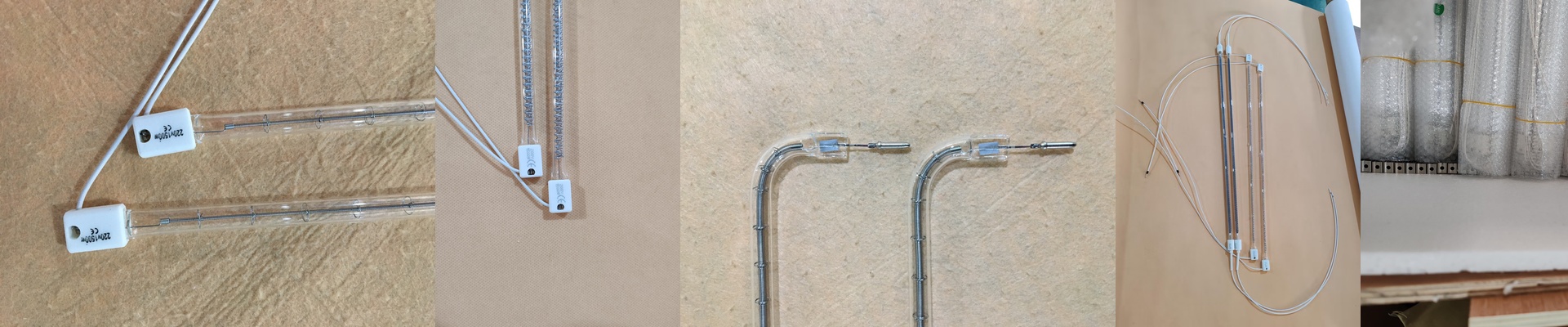
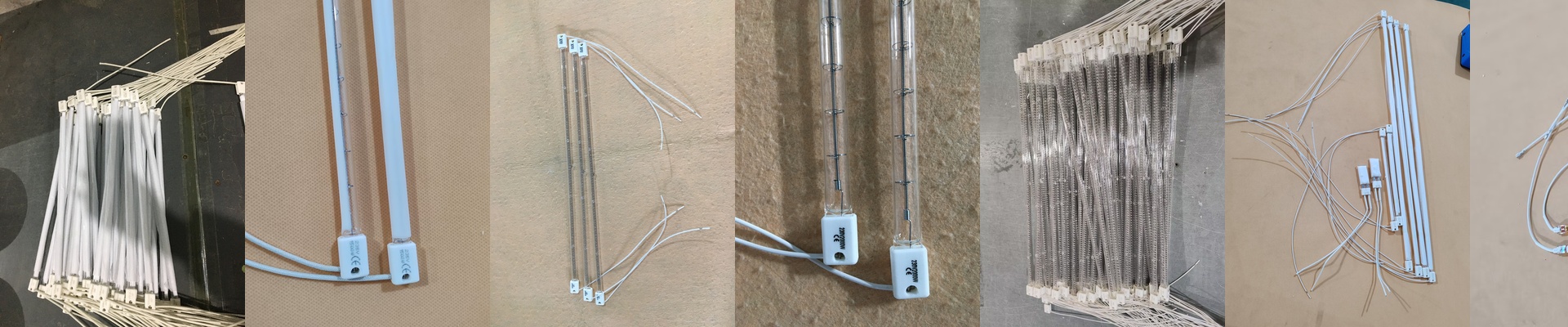
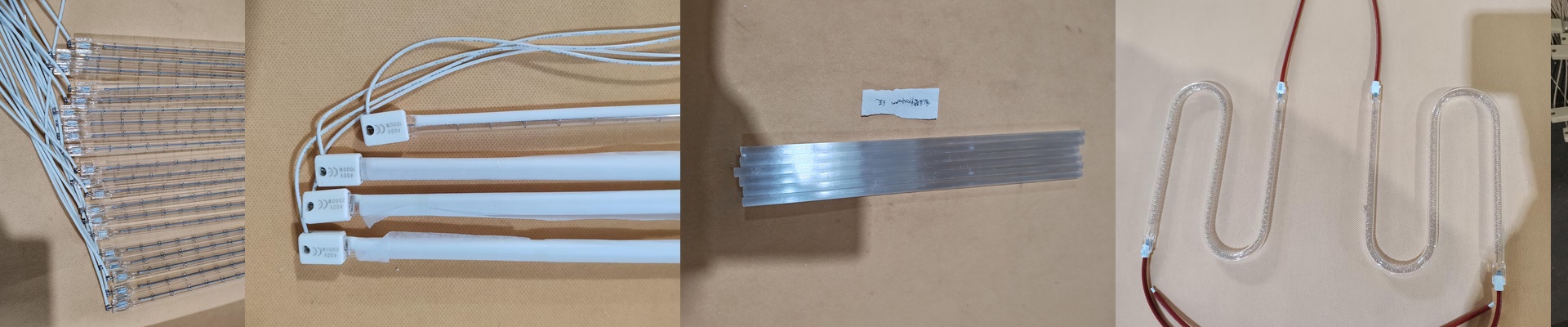
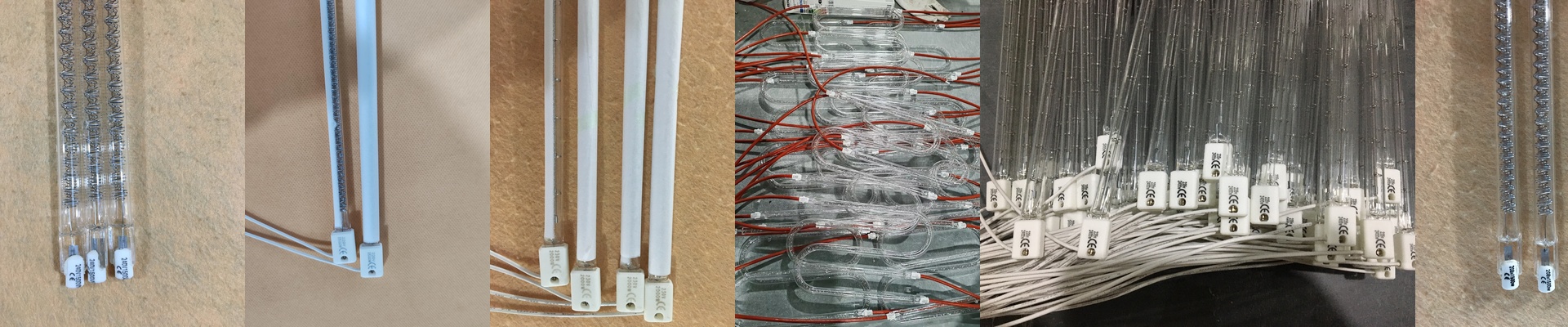
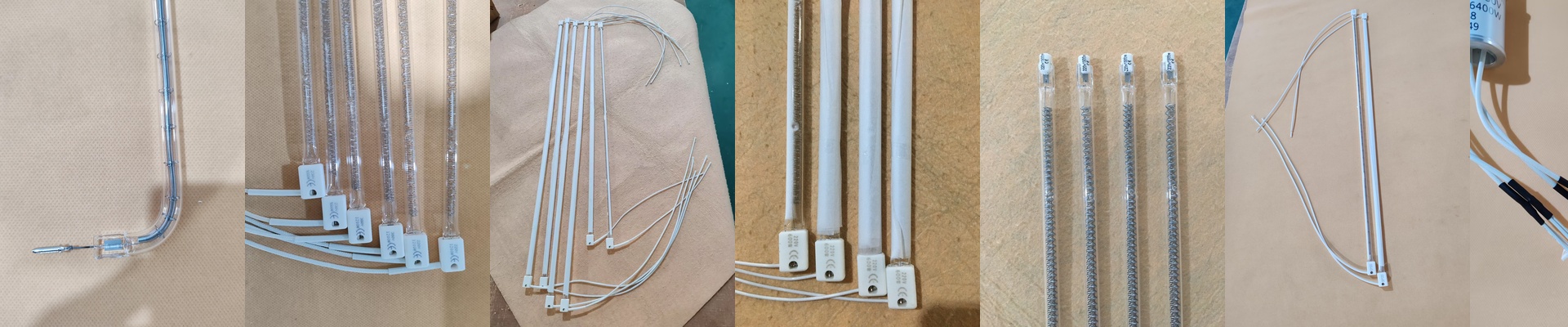
If you’re running fabric heating systems, you know the drill. Your infrared lamps live a brutal life. Every time you flip the switch, that filament expands. Every time you kill the power, it shrinks back down. Do that tens of thousands of times, and the metal just gets tired. It’s called thermal expansion, but in the real world, it just means your filament starts to sag. Once it dips, you’re in trouble. You get hot spots, patchy heating, and eventually, a lamp that just gives up the ghost. Where things actually go wrong The real battle happens right where the tungsten filament meets the quartz tube. Here’s the thing: metal and quartz don’t react to heat the same way. One grows faster than the other. To keep the lamp working, the supports have to be a bit of a contradiction. They need to be stiff enough to keep the filament in a straight line, but flexible enough to soak up the shock of heating up in a split second. We spend a lot of time putting our lamps through the wringer. We run them through thousands of rapid-fire on-off cycles just to see where they break. If the support is off by even a tiny fraction of a millimeter, the filament shifts. And when it shifts, your heat hits the fabric at the wrong angle. Suddenly, your finish isn’t uniform anymore. Finding the sweet spot You might think, “Why not just make the supports thicker?” Well, there’s a catch. If you make them too rigid, the quartz tube can’t breathe. Under extreme heat, that tension can actually crack the glass. It’s a balancing act between material hardness and how hard we clamp things down. But you can help your lamps last longer. Check your power controllers. If you’re using an “instant-on” setting, you’re basically hitting your filaments with a hammer every time they start. It’s a huge mechanical shock. Our lamps are built to take a beating, sure. But if you use a softer start-up curve—just a little ramp-up period—you’ll save the geometry of the filament. It keeps your heat footprint steady across the whole width of the fabric and keeps you from replacing bulbs way sooner than you should.