Shortwave vs. Mediumwave: Which IR Lamp Actually Works for Your Fabric?
If you’re putting together a fabric drying line, you’ll hit a crossroads pretty quickly: shortwave or mediumwave quartz lamps? Here’s the thing—you can’t just swap one for the other. They don’t behave the same way. It all comes down to how the heat actually hits your material.
Getting the heat where it needs to go
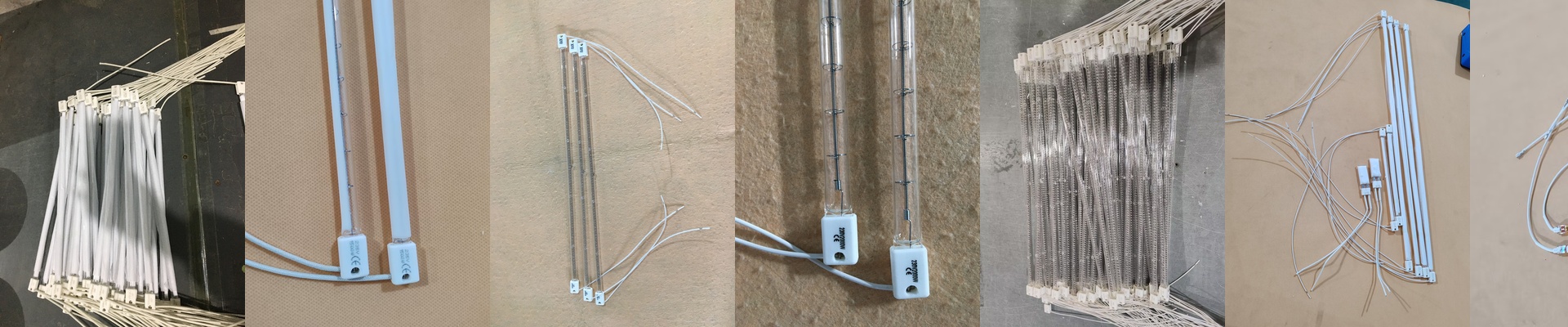
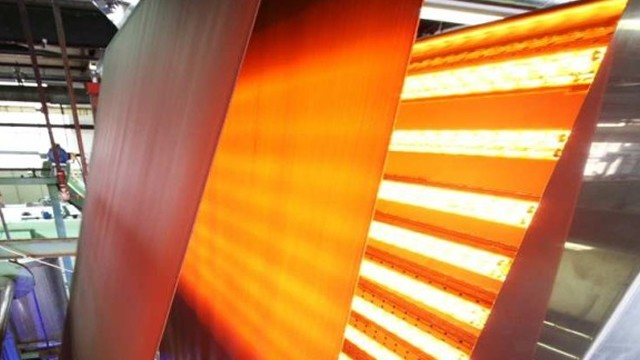
Shortwave lamps run hot. Really hot. Because of that, the energy punches right through the material. If you’re dealing with thick fabrics or those tricky synthetic blends that need a “flash dry,” this is your best bet. It gets straight to the core of the fiber without messing around. Mediumwave is a different story. It’s a gentler heat that mostly hangs out on the surface. If you’re working with thin materials or delicate coatings, mediumwave is the way to go. You won’t have to worry nearly as much about scorching the top layer.
The quartz and the “burn factor”
We use high-purity quartz for these lamps because, frankly, they’d crack under the pressure otherwise. The quartz lets the infrared radiation slide right through without wasting energy. But you’ve got to be careful with your power density. A high-wattage shortwave tube packs a massive amount of heat into a tiny space. That means your conveyor speed has to be spot on. If your fabric lingers for even a few seconds too long? You’ve got a burnt piece of scrap. Mediumwave is much more forgiving. It gives you a wider window to get your temperature control right.
The real-world trade-offs
Shortwave is basically instant. You flip the switch, and you’re at full power. No waiting around. The catch? You need a very precise electrical setup, or you’ll deal with annoying flickering. Mediumwave is the steady workhorse. It’s great for those long industrial shifts where consistency is everything. Just keep in mind that it takes a minute to wake up. You can’t just snap your fingers and expect peak performance instantly, so you’ll need to build that warm-up time into your morning schedule.