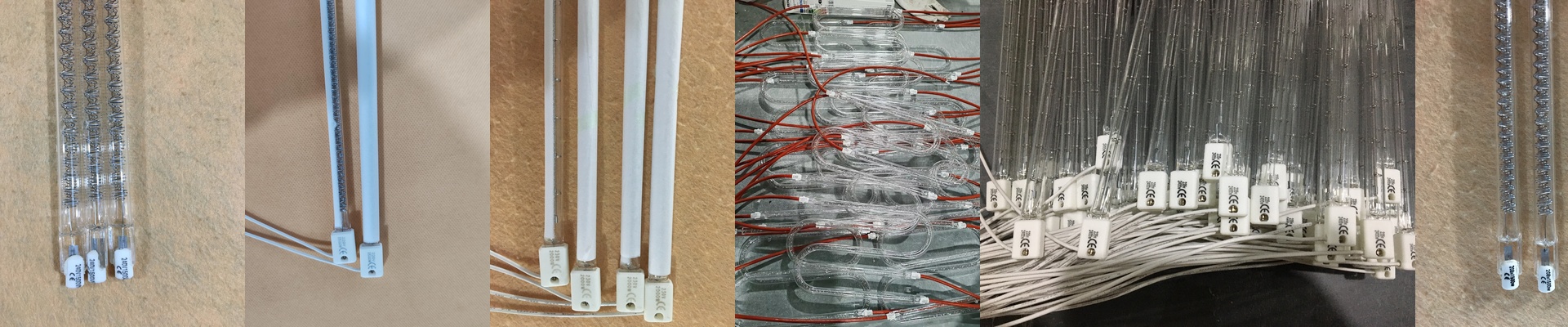
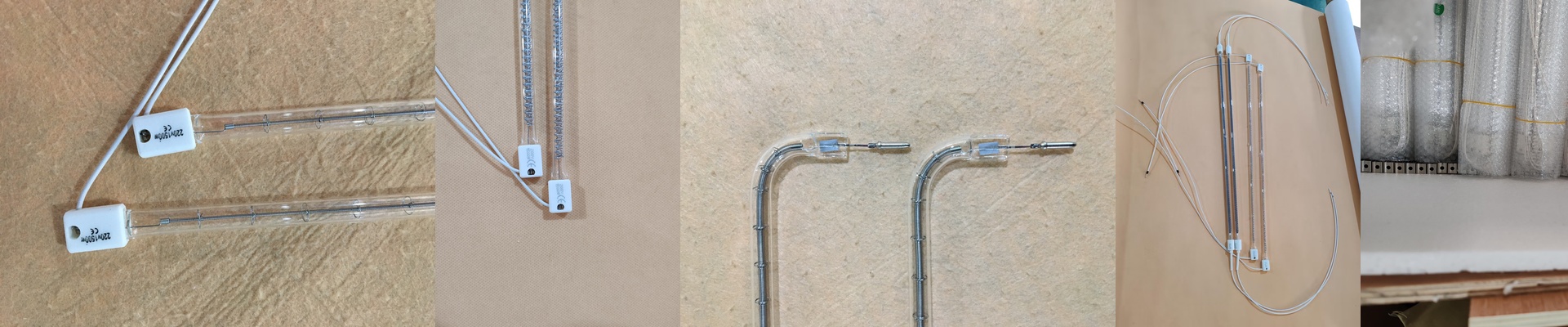
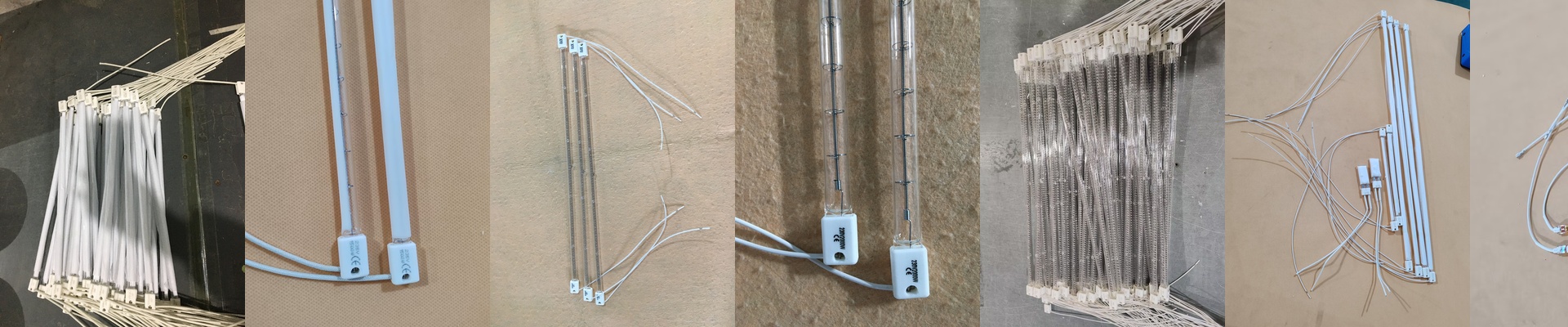
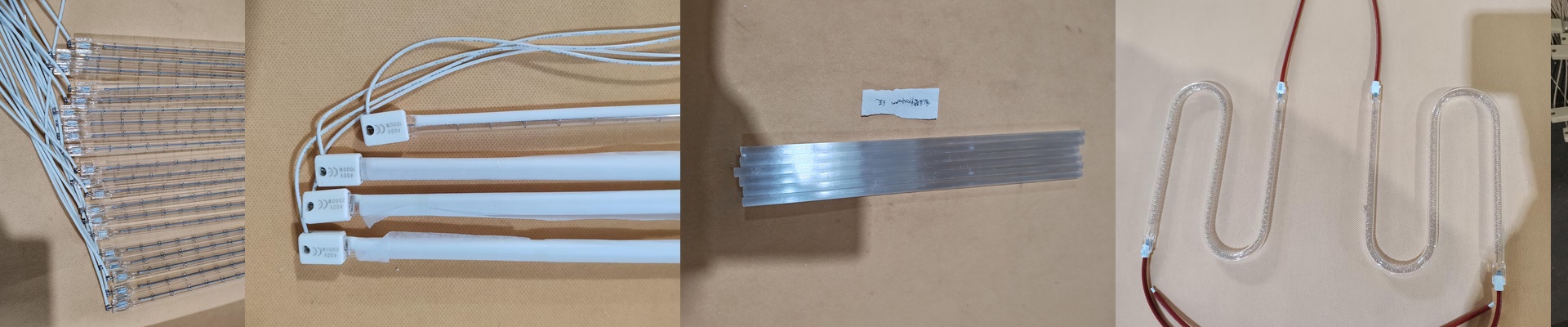
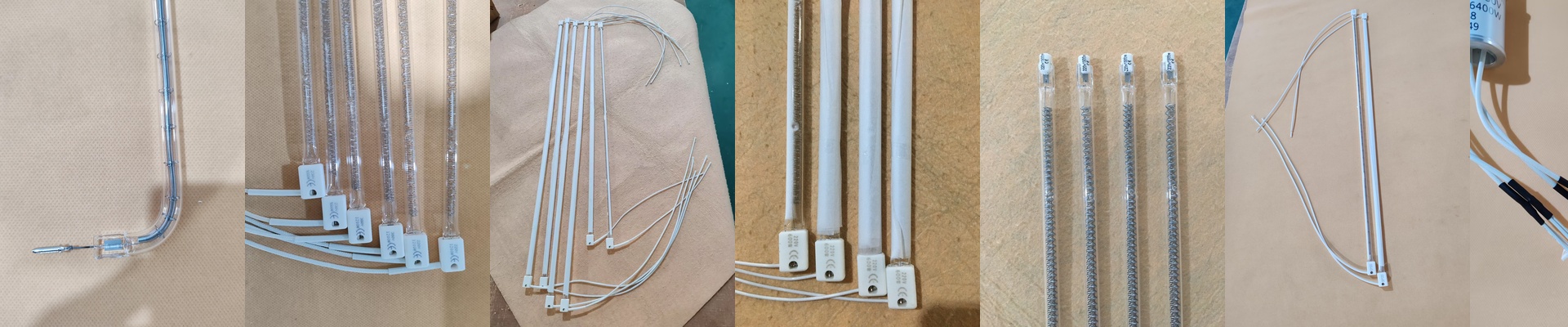
Let’s talk about the 1500W Halogen IR Lamp
When we build these 1500W halogen lamps, we’re basically trying to pack as much heat as possible into a tiny space for a fast, aggressive thermal hit. Inside, there’s a tungsten filament wrapped in quartz and filled with halogen gas. Here is the cool part: the halogen gas actually puts the evaporated tungsten back onto the filament as it works. That means the glass doesn’t turn black and the heat stays steady. It just keeps working. The power side of things 1500W is a lot of energy. It creates a really intense heat footprint. But you have to be careful. If your voltage isn’t a perfect match for the lamp’s rating, you’re going to burn it out way faster than you should. Plus, because the heat flux is so concentrated, your reflectors have to be spot on. If they’re slightly off, you aren’t just wasting power—you might actually warp the housing of your machine. Not a great day at the office. The build and the “swap” We use quartz glass because it’s tough. It can handle the crazy internal temperatures of the halogen cycle without cracking under pressure. As for the connections, most of these use R7s or similar push-in plugs. We did that on purpose. When a tube finally gives out, you can just pop it out and drop a new one in. No fuss, no long delays on the production floor. And if you’re working with something specific like PET or PVC, we can add specialized coatings to the glass. It shifts the heat spectrum so it hits those specific materials exactly where it needs to. The real-world trade-off You’ll see these all over PET blowing and industrial drying lines because they hit the target almost instantly. It’s fast. Really fast. But that power is a double-edged sword. If your conveyor belt is dragging or your cooling fans can’t keep up with the heat in the room, you’ll scorch your product. It happens. The trick is finding that sweet spot between the 1500W output, the distance from the material, and your timing. Get that right, and it’s a powerhouse. Get it wrong, and you’re just making expensive charcoal.