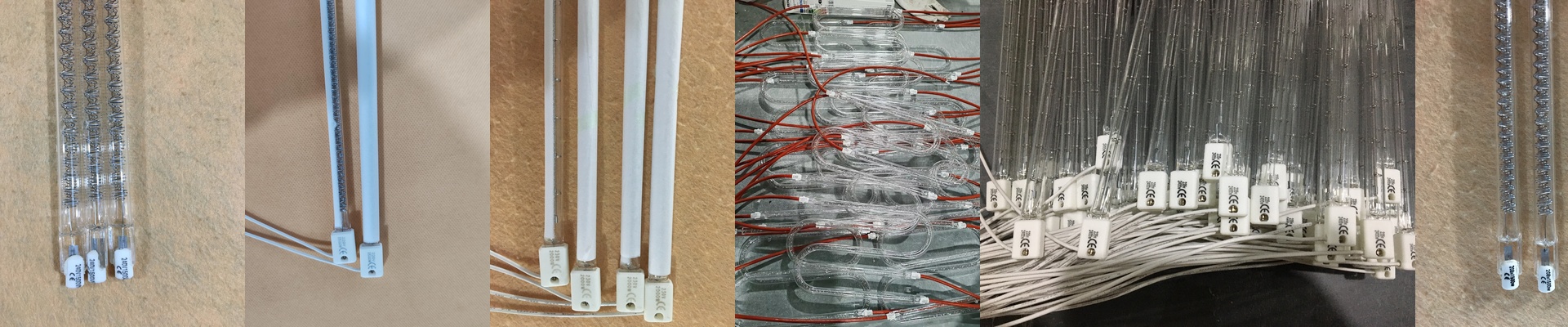
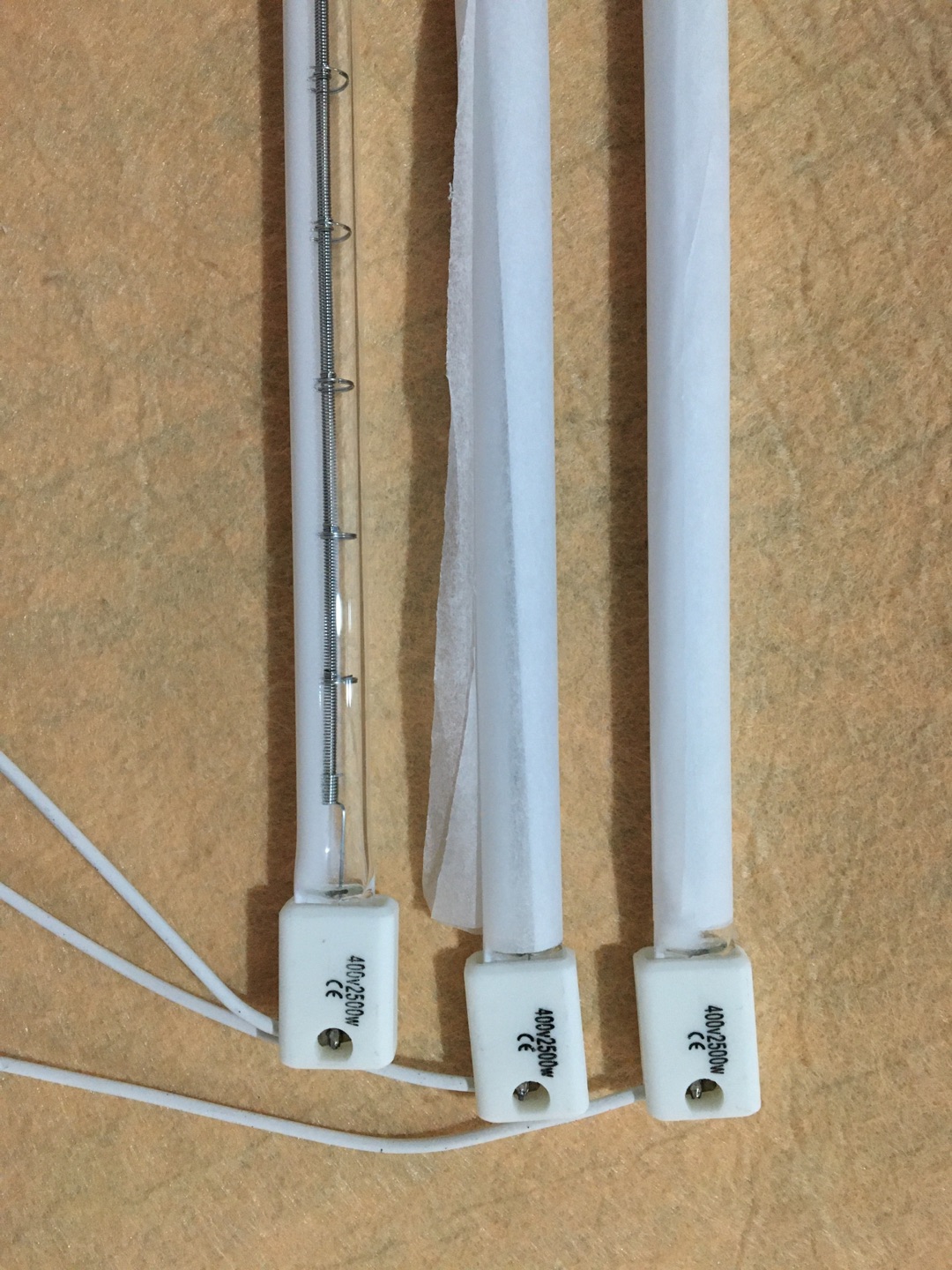
Let’s Talk About 300W Quartz Halogen Heaters
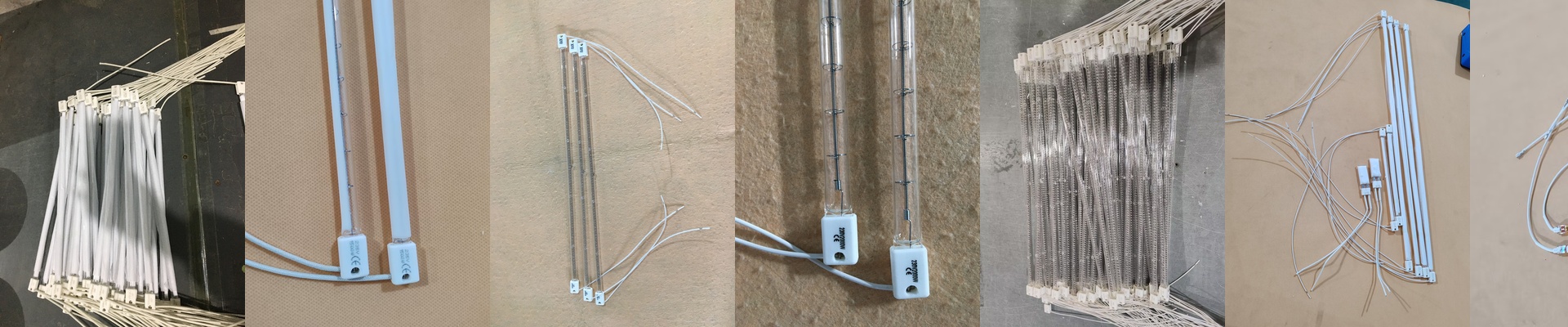
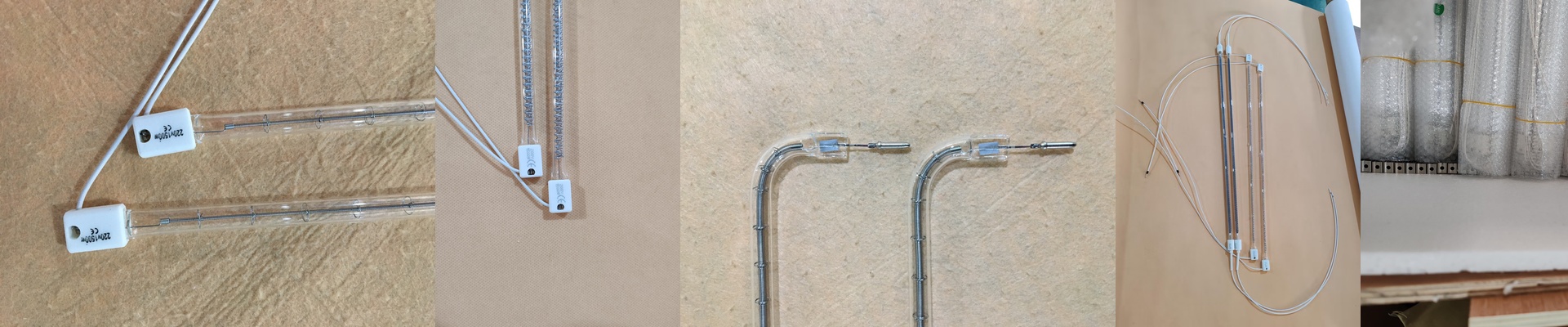
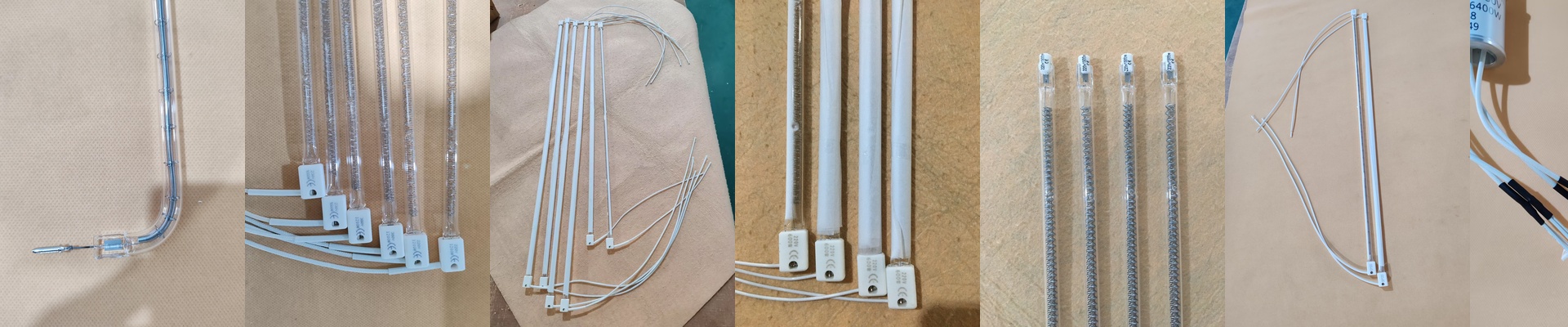
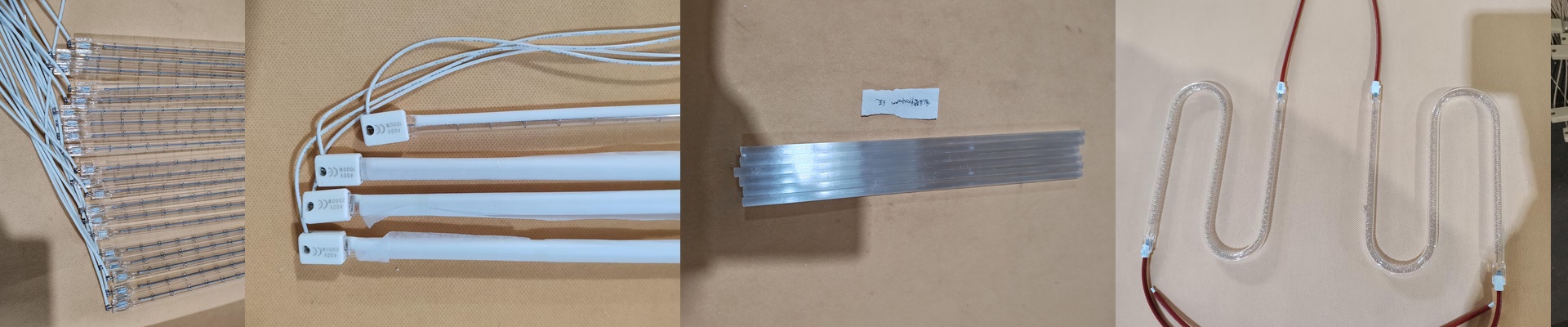
If you need to hit a specific spot with intense heat—and you need it to happen now—these 300W quartz halogen lamps are your best bet. Basically, we’ve got a tungsten filament tucked inside a high-purity quartz tube. We add a bit of halogen gas in there to keep the filament from evaporating. It sounds like a small detail, but it’s the reason these things can run hotter and actually last longer than your basic quartz heaters. The power side of things At 300W, you’re hitting that sweet spot. It’s enough punch to get your temperatures ramping up quickly, but it won’t blow your power budget. Here’s the cool part: these use shortwave IR. Instead of heating up the air around the part (which is slow and wasteful), the energy just jumps straight to the target. It’s fast. Really fast. Plus, since the heat is concentrated along the tube, you can warm up a tiny section of your workpiece without accidentally melting your entire machine frame. Why quartz? We use quartz because it doesn’t panic when things get hot. It handles thermal shock like a pro. Most importantly, the IR radiation just slides right through the glass. You want the heat on your product, not trapped in the tube. Depending on what you’re working with, you can go with clear tubes or coated ones. If your material tends to reflect certain wavelengths, a coating can help “shift” the energy so it actually sticks. Just make sure you use solid industrial connectors. You don’t want any loose fits or sparks flying at the terminals. Real-world advice You’ll see these all over the place—PET blowing, plastic welding, drying lines. They’re great for swapping into old IR arrays that have seen better days. But a word of caution: these things getscorching. If your wiring is tucked too tight against the element, you’re going to melt your cables. Give them some breathing room. And for heaven’s sake, keep your reflectors clean. A little bit of dust might not seem like a big deal, but it kills your efficiency. When the reflector is dirty, the lamp has to work harder and run hotter to do the same job, which just eats away at the lifespan of the bulb. Keep it shiny, and it’ll keep working.