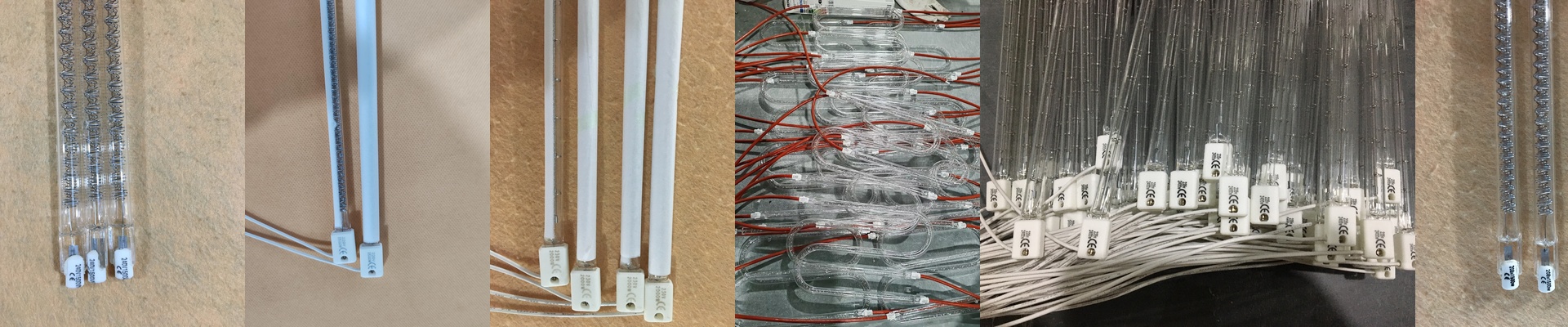
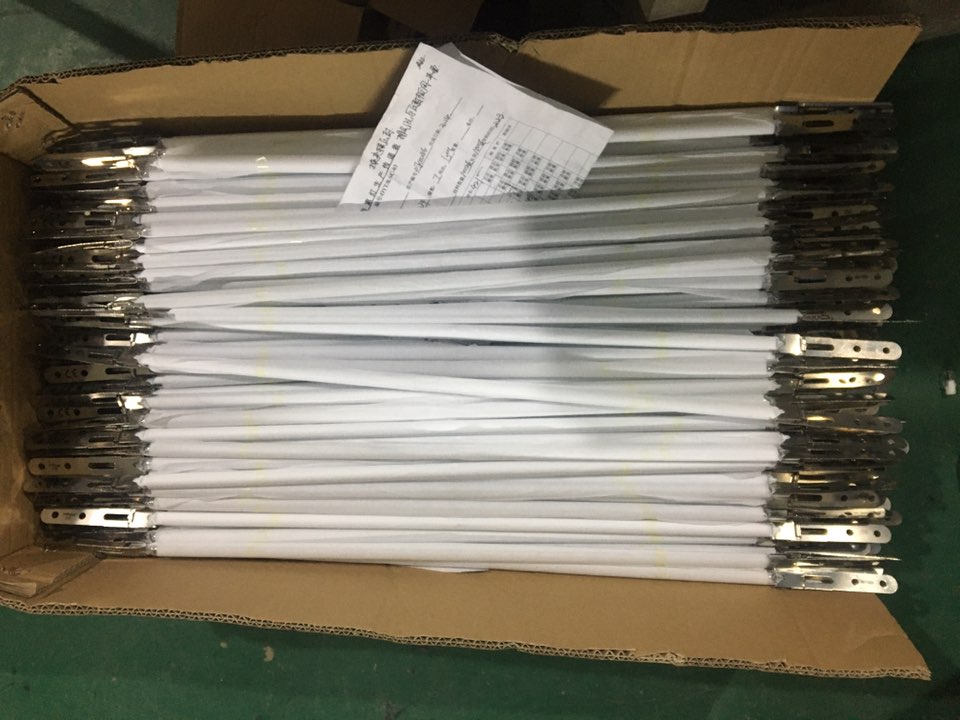
Let’s talk about Quartz Halogen Heating Elements
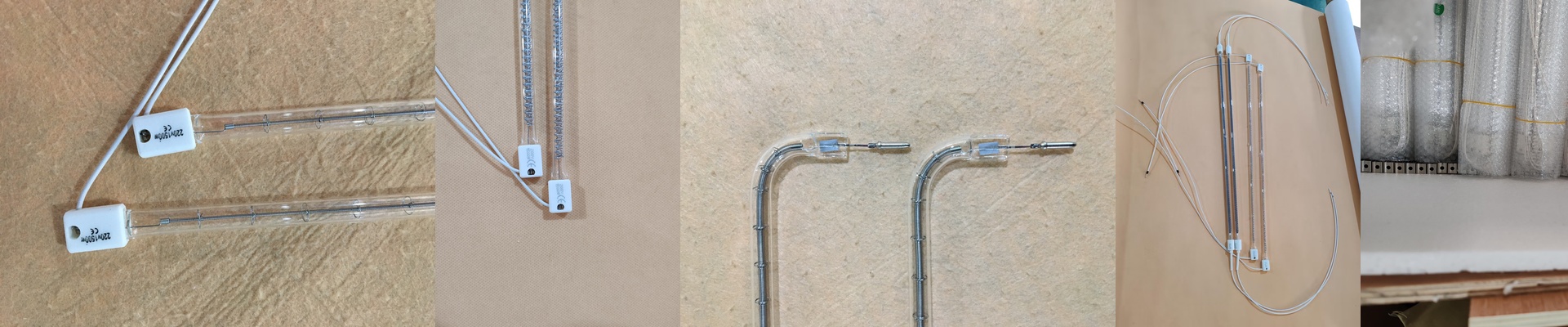
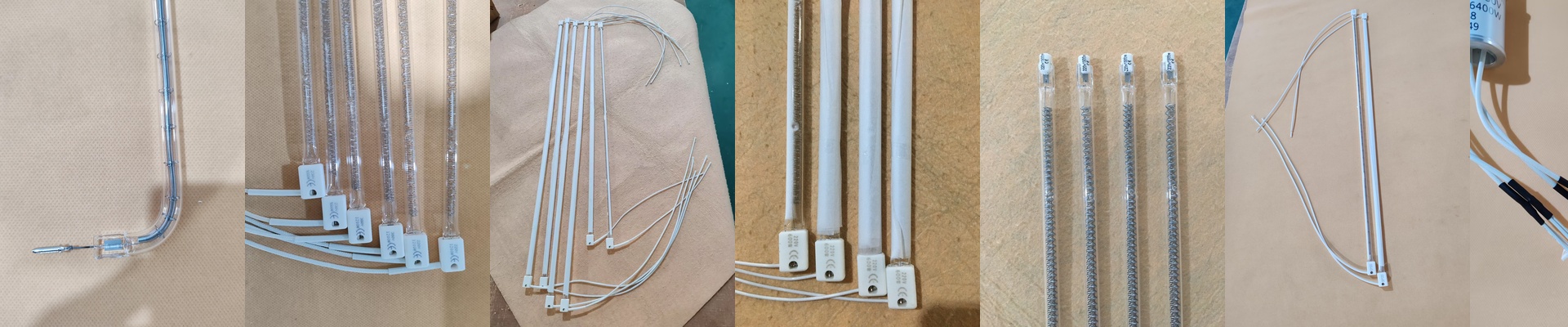
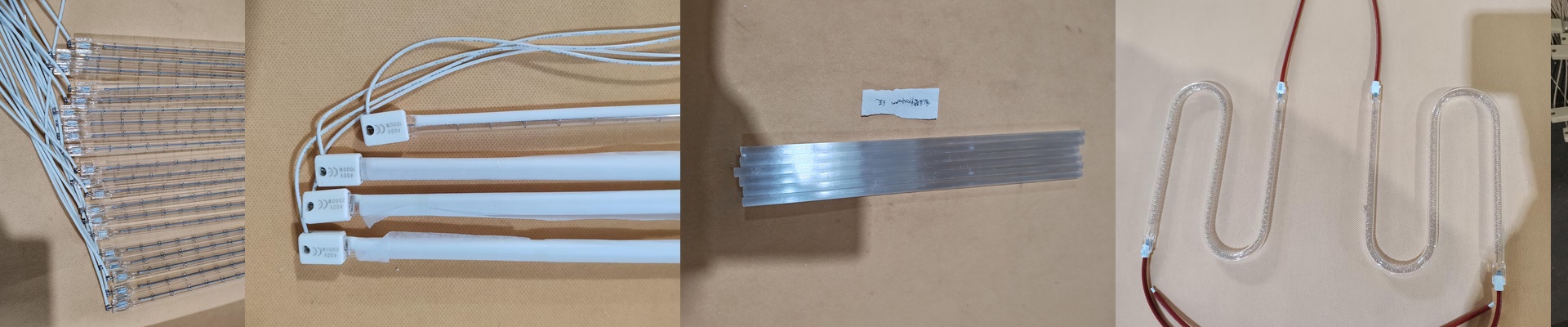
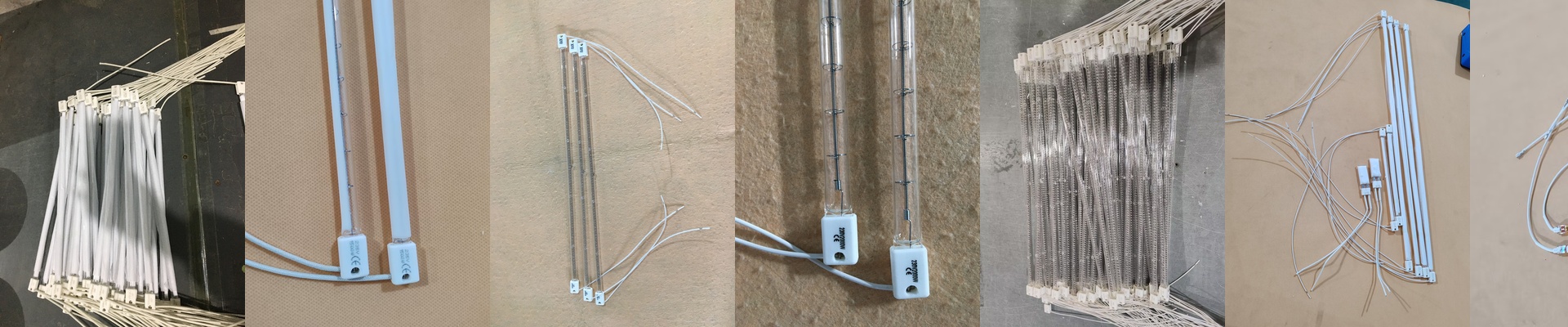
We build these things for one reason: you need a massive amount of heat, and you need it right now. Basically, we take a tungsten filament, tuck it inside a high-purity quartz tube, and pump in some halogen gas. That gas is the secret sauce—it stops the filament from evaporating too quickly, which means your lamps actually last instead of burning out the moment things get intense.
Getting the power right
When you’re picking a lamp, it all comes down to the balance between voltage, wattage, and length. That’s what determines your heat flux. Take a 2500W unit. It packs a huge amount of energy into a tiny space. It’s fast. Really fast. And that’s great for getting your process up to temp in seconds. But here’s the thing: you’ve got to watch your wiring. A 400V system pulls a different current than a 230V one. If your power supply or wiring can’t handle that specific amperage, you’re going to fry your contacts. Not a fun way to spend a Tuesday.
The build and the fit
We use quartz because it lets almost all that infrared energy fly right through without soaking it up. Depending on what you’re doing, we can add coatings to shift the heat spectrum or keep gunk and contaminants off the tube. As for the connections, we stick with R7s or Sk15 bases. They’re standard for a reason—they just work. They slide right into most OEM machines without any fuss. And please, make sure they’re tight. A loose connector isn’t just a nuisance; it creates a hot spot that will literally melt your socket.
Real-world use (and the catch)
If you’re doing PET blowing or curing plastics, these are your best friend. You get that “instant-on” heat that keeps high-speed production lines moving. But there is a trade-off. Because these things get incredibly hot, your cooling system and reflectors have to be up to the task. If your airflow is blocked or your reflectors are pitted and worn out, the heat just bounces back into the housing. That’s how you kill a perfectly good element way before its time.