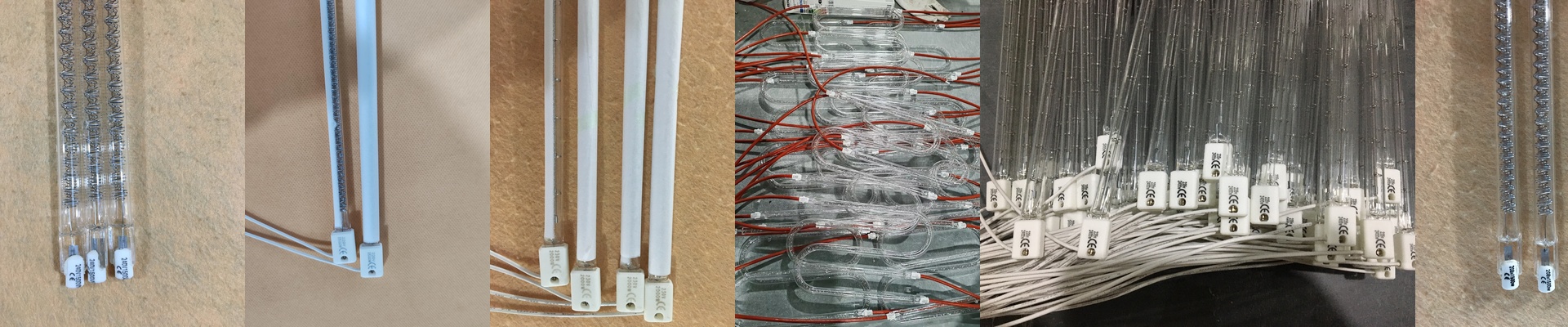
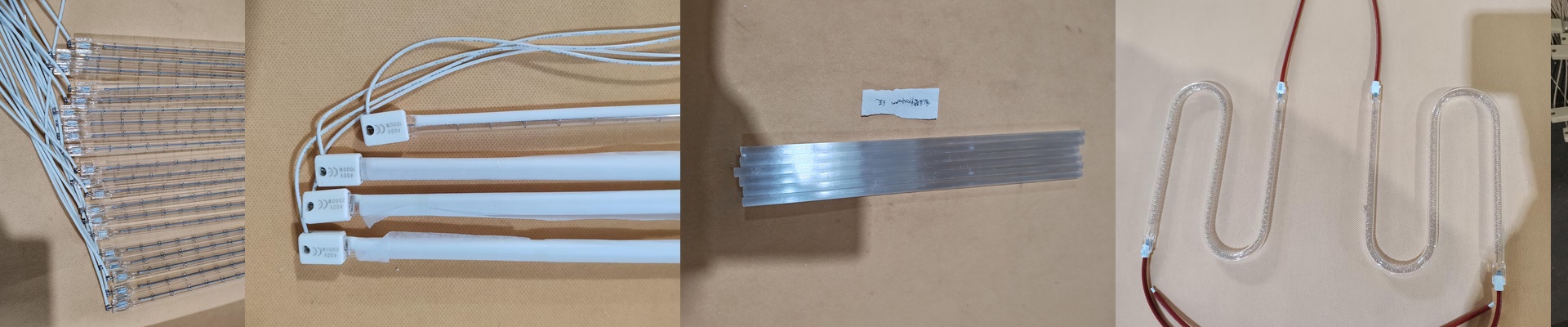
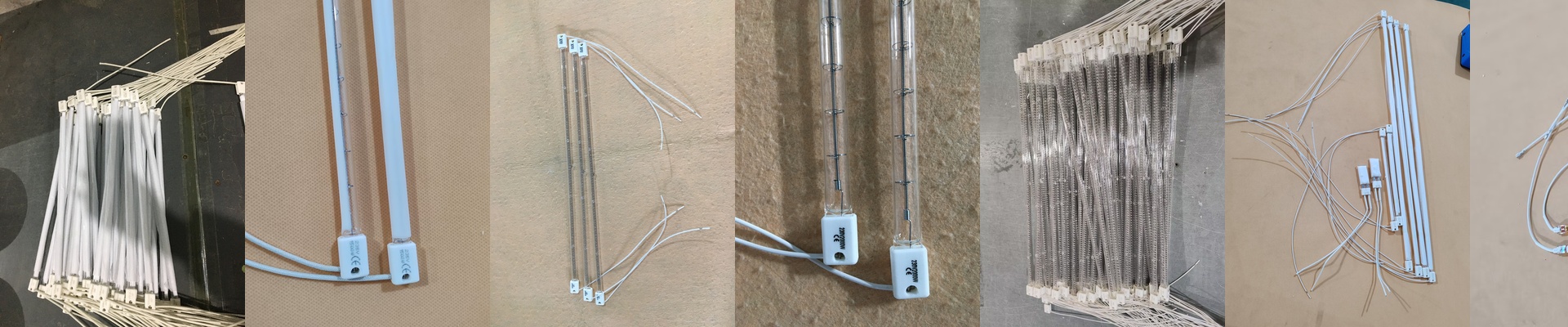
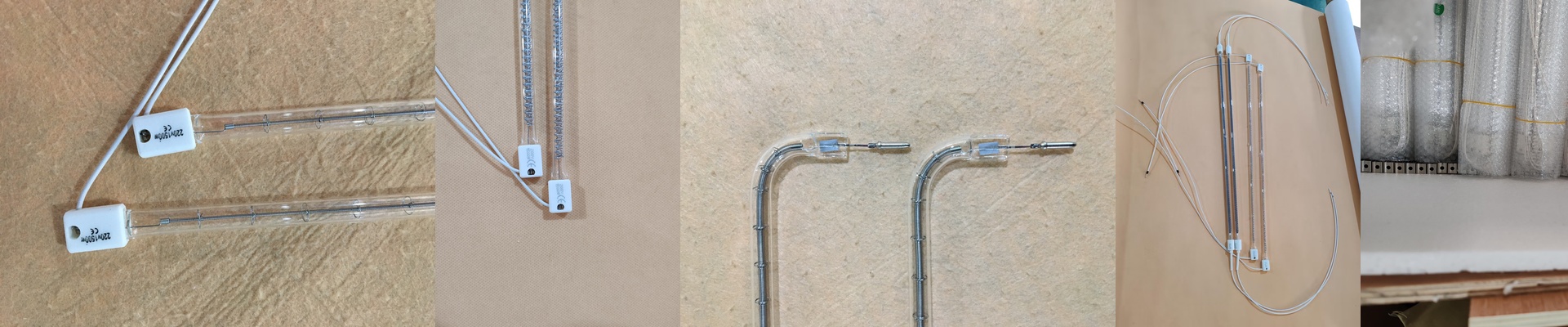
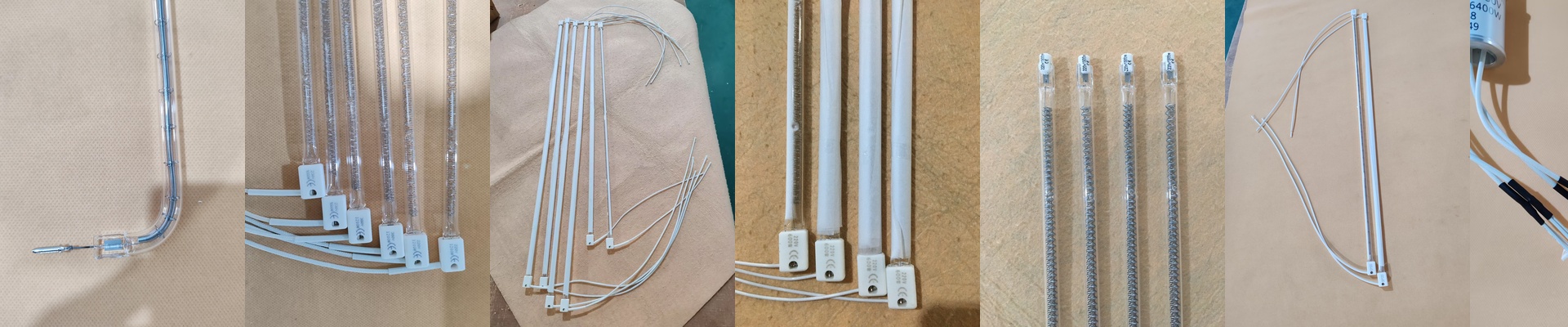
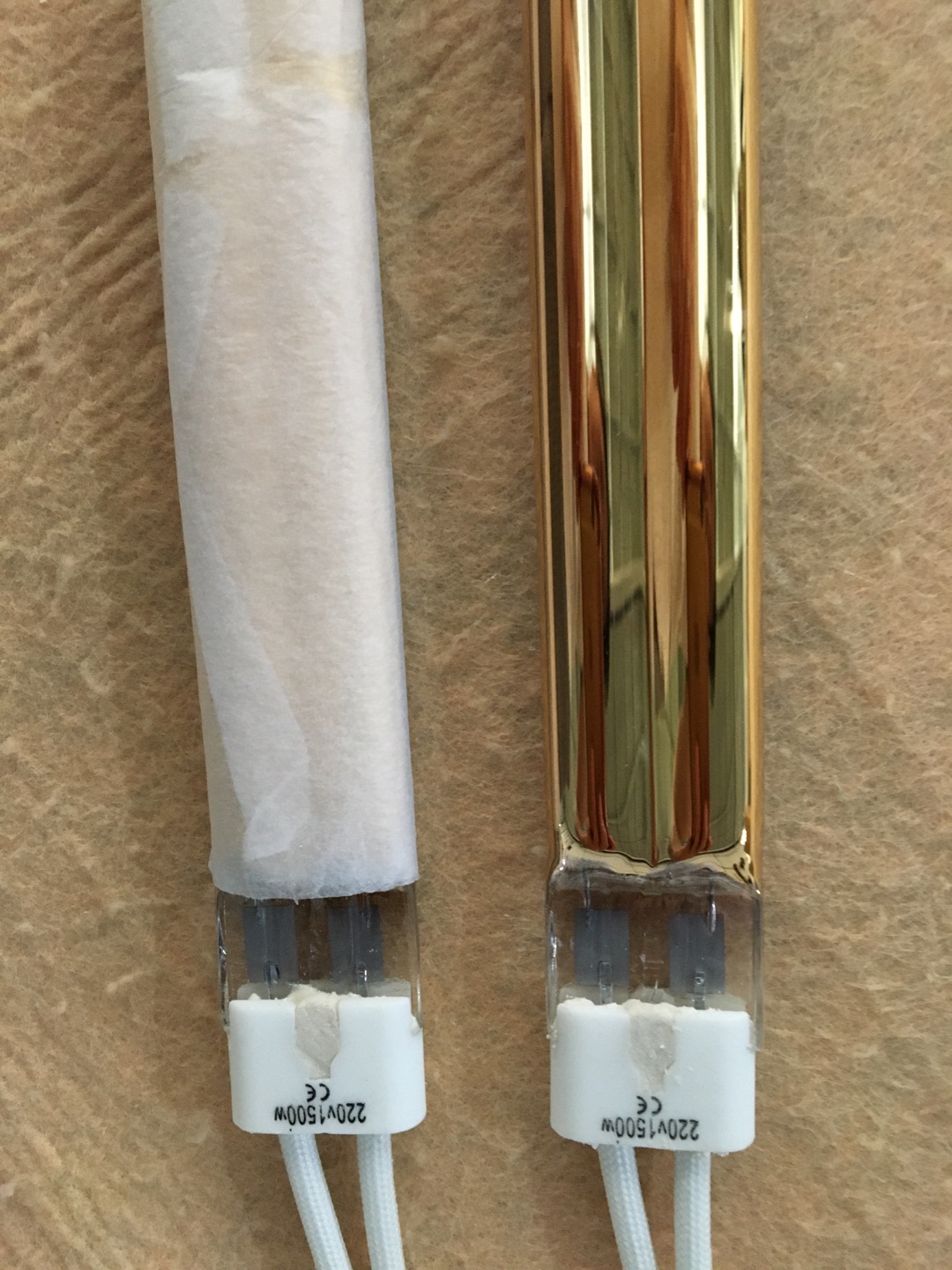
Let’s talk about 220V Short-Wave Halogen Lamps
When you need heat—and you need it right now—that’s where these lamps come in. Most heaters just warm up the air around them. Not these. We’ve built them to push radiation in that 0.7 to 2.5 micron sweet spot. It means the heat doesn’t just float around; it punches straight into your material.
The guts of the thing
We stick with 220V because it’s the goldilocks zone. It lets us keep the wattage steady across different tube lengths without blowing a fuse in your industrial setup. The ramp-up is almost instant. Inside, there’s a tungsten filament wrapped in a quartz envelope. Now, quartz is the only thing that can handle this kind of heat without warping. But here’s the clever part: we use a halogen gas cycle. As the tungsten evaporates, the gas pushes it right back onto the filament. It keeps the lamp from burning out too fast and ensures the heat stays consistent for a long time.
Getting it installed
We usually use R7s or SK15 end-caps. Why? Because they just fit. You can usually pop these right into your existing machines without a headache. Just a heads-up: make sure your sockets can actually handle the heat. Quartz is tough, but the surrounding parts need to be up to the task. If you need a specific kind of absorption, we can coat the quartz for you, though keep in mind that lets a little less heat through.
A few things to watch out for
These things are fast. Like, “PET blowing and shrink wrapping in seconds” fast. But that speed comes with a price. All that energy puts a lot of stress on the glass. If you’re flicking the power on and off too quickly, or if your reflector is slightly crooked, you might crack the tube. And please,don’t skimp on your cooling fans. These lamps put out an insane amount of concentrated heat. If your ventilation isn’t humming along, your housing will soak up that heat and fry your control boards before you even realize what happened.