Getting the Heat Right in Textile Processing
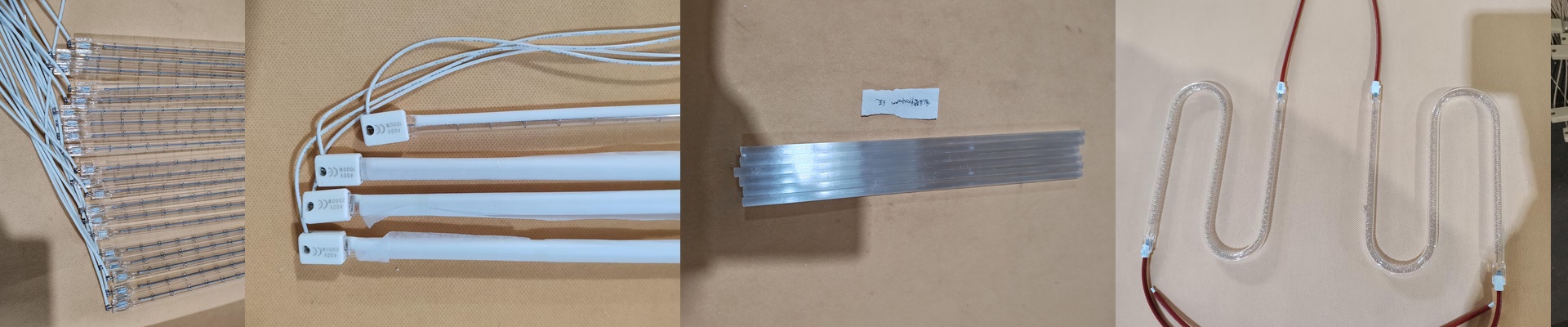
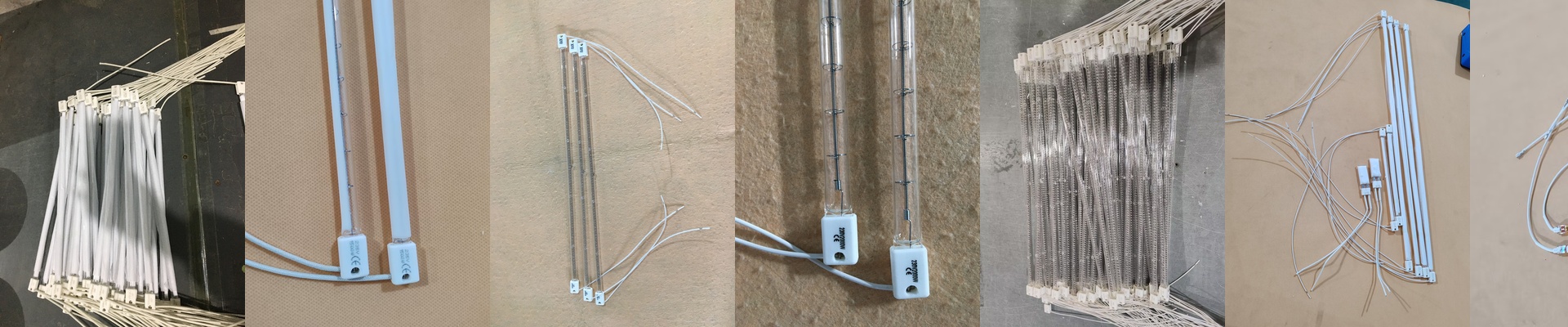
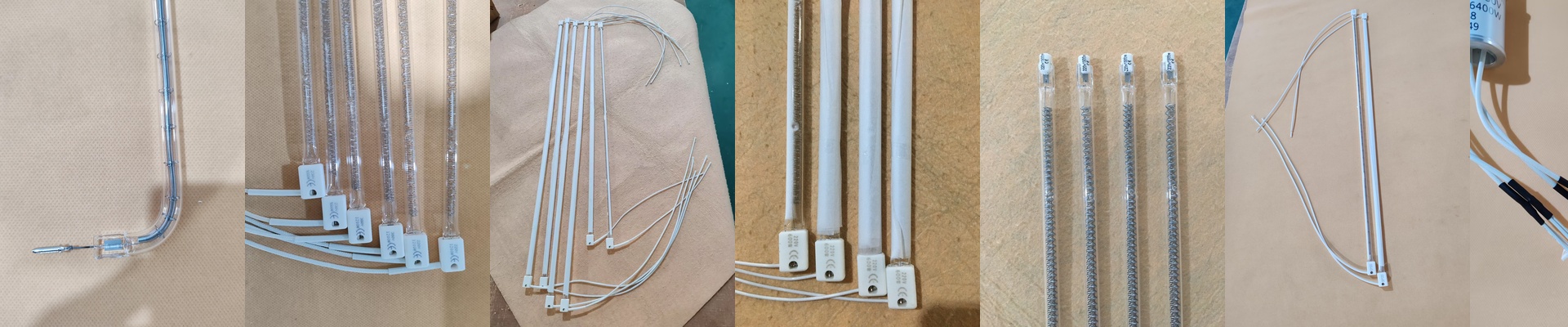
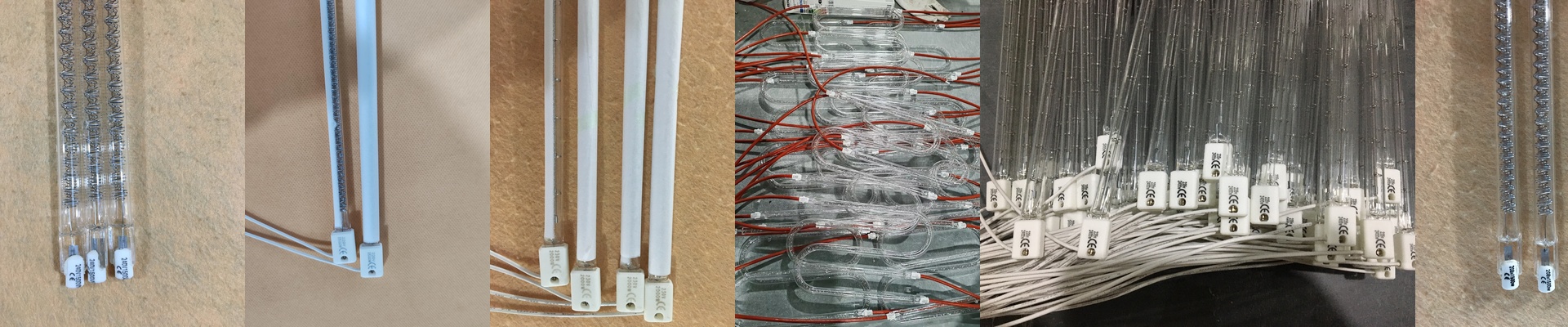
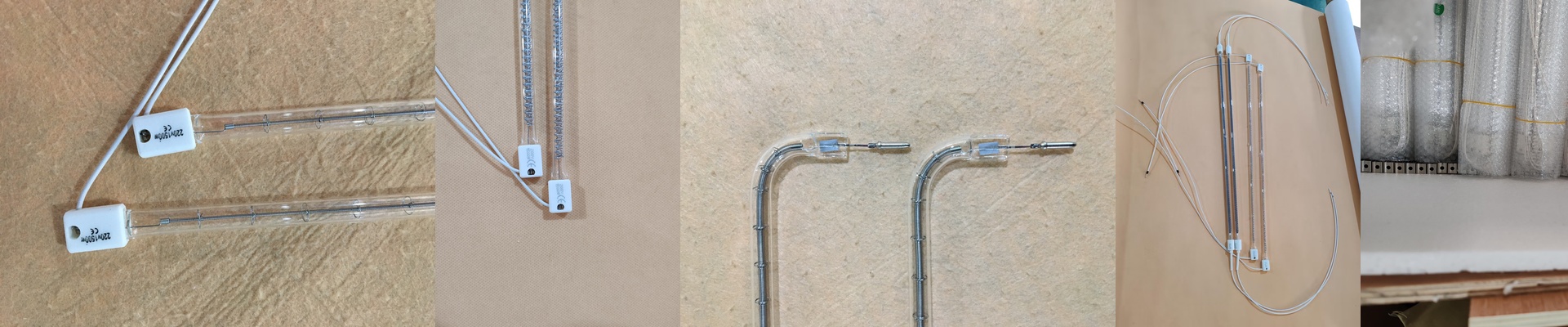
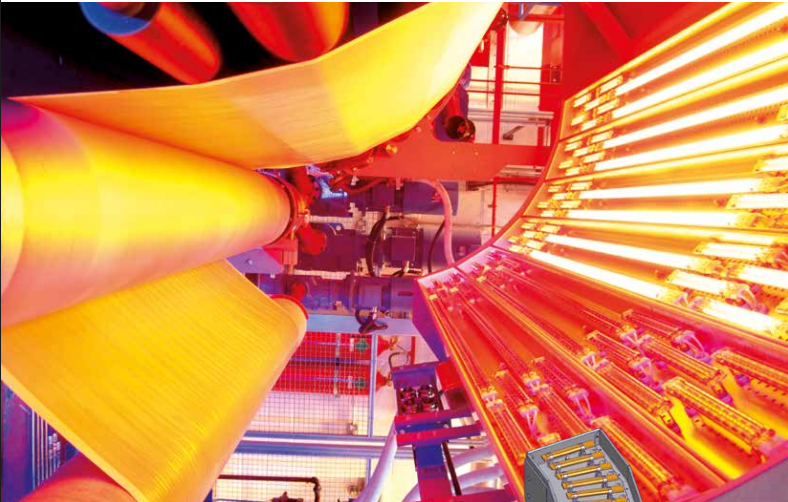
Dealing with textile heating is a bit of a balancing act. You need the heat to sink deep into the fabric, but if you push it too hard, you’re just scorching your fibers. We’ve spent a lot of time obsessing over the physics of short-wave radiation to make sure our lamps hit that sweet spot—matching or even beating the big-name brands. The Deal with Power and Voltage When you’re picking a lamp for your dryer or oven, it really comes down to the voltage-to-wattage ratio. That’s what decides your heat density. If you go with high-voltage tubes, you can pack more wattage into a smaller space. More BTUs per square inch. For those of you running high-capacity lines, this is a lifesaver because it lets you keep your line speed up without sacrificing quality. Just a heads-up: when you cram more wattage into a short tube, your sockets feel the heat. Keep an eye on them. Quartz, Halogen, and Coatings We use heavy-wall quartz glass for a simple reason: we don’t want your tubes bowing when things get blistering hot. Then there’s the halogen cycle. Think of it as a built-in renewal system that puts tungsten back onto the filament so the lamp doesn’t just burn out on you. We also offer different coatings to tweak where the heat goes. A coated tube pushes more heat forward toward the fabric, which means you aren’t wasting energy heating up the metal frame of your machine. Swapping Them Out Nobody wants to spend their weekend rewiring a control panel. That’s why we stick to standard R7s or Sk15 connectors. Our tubes are designed to be drop-in replacements. You just pop the old one out and slide ours in. Easy. One Thing to Watch Out For Here’s the catch. High-output lamps are powerful, but they put a lot of pressure on your reflectors. If your reflectors are pitted or looking a bit oxidized, you’re throwing away up to 30% of your energy. It’s a waste. I’d suggest giving your reflector surfaces a quick check every six months. It’s the only way to make sure all that heat is actually hitting the fabric and not just disappearing into the air.