Shortwave vs. Mediumwave: Which IR Lamp Actually Works for Your Fabric?
There is nothing worse than pulling a roll of fabric off the line only to find the surface is scorched but the center is still damp. It happens all the time. Usually, it’s because someone picked a lamp based on the wattage number on a spec sheet instead of actually looking at how the light hits the fabric.
Getting the heat where it needs to go
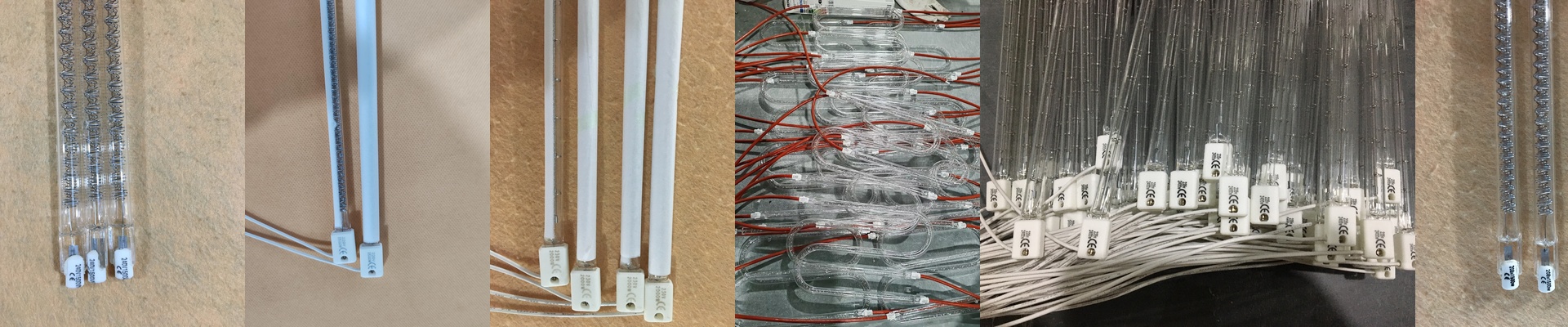
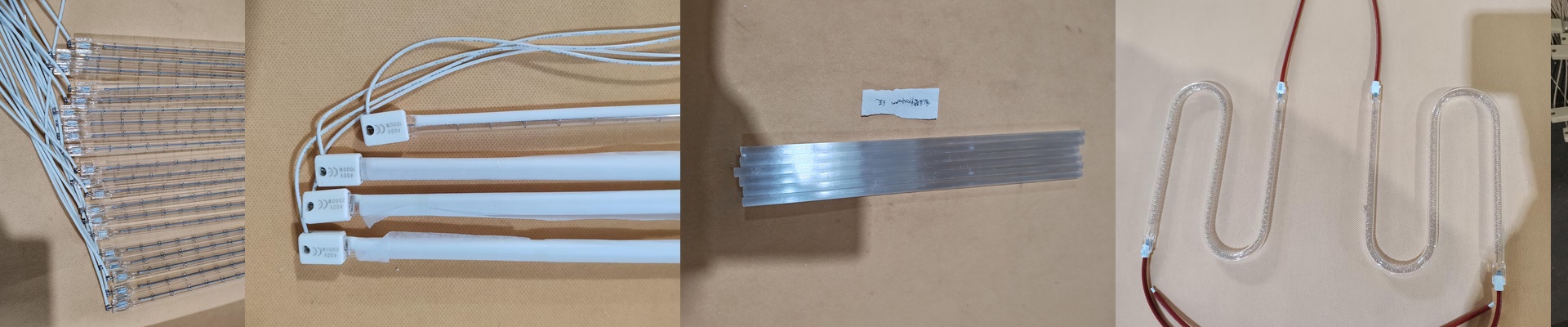
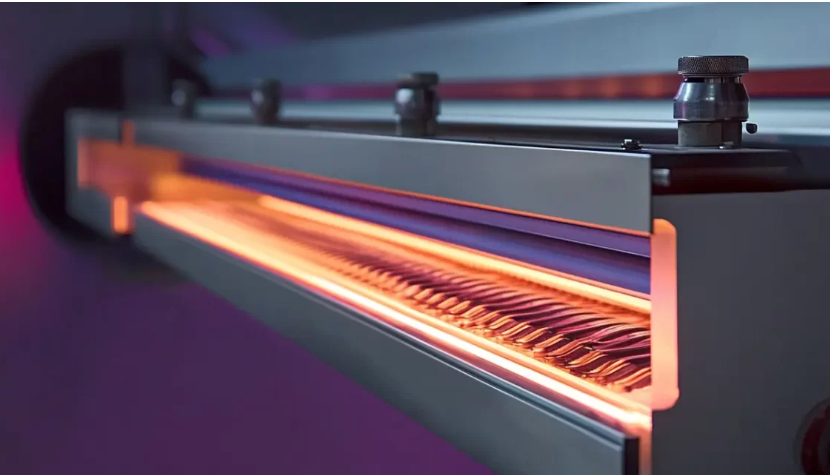
Shortwave IR is like a blast of intense heat. It hits hard and fast. If you’re just trying to flash off solvents or dry the very top layer of a material, this is your best bet. It ramps up almost instantly, which is great when you’re in a rush. But if you’re dealing with heavy fabrics or thick, multi-layer weaves, shortwave can be a trap. That’s where mediumwave comes in. It doesn’t hit as hard on the surface, but it sinks deeper into the fibers. It’s the difference between a quick sear and a slow roast. With mediumwave, you can actually be sure the core of the fabric is dry, not just the “skin.”
A quick warning on quartz and cracks
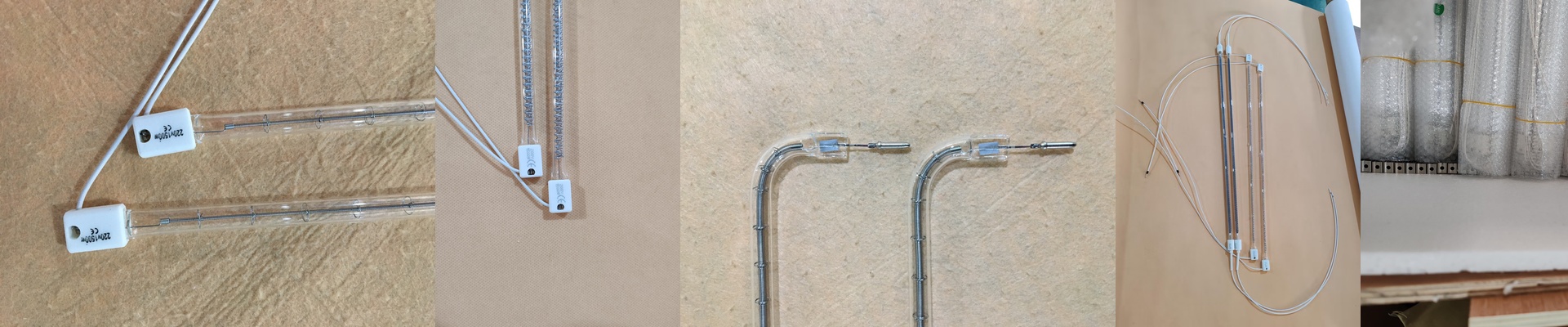
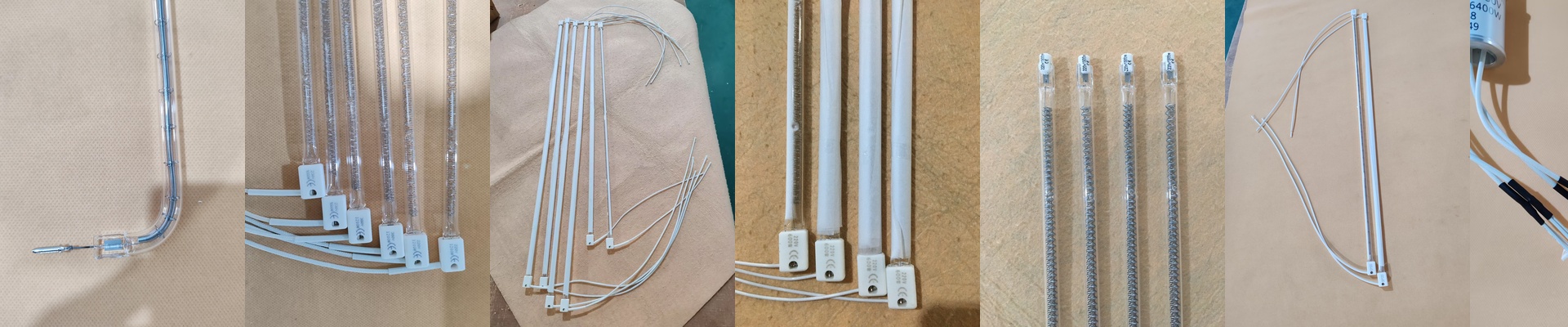
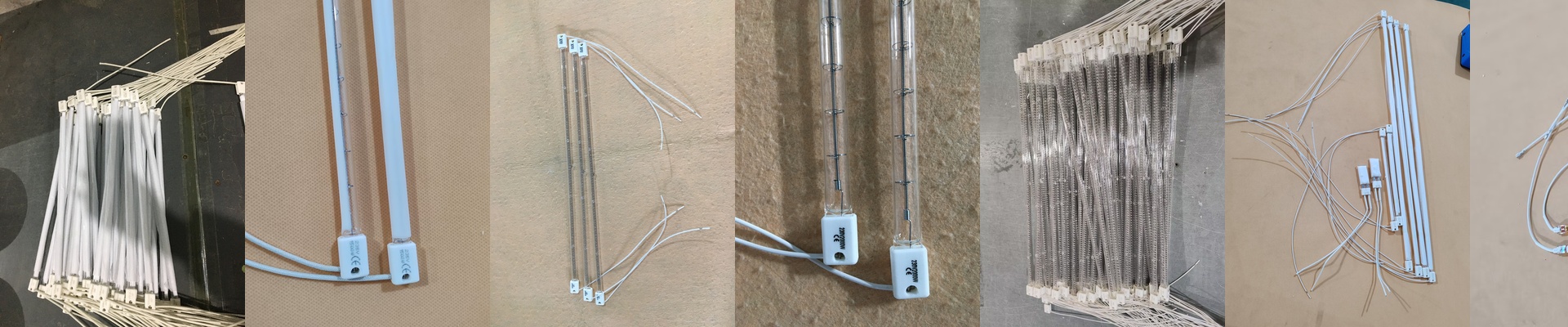
We use high-purity quartz for these tubes because it can handle the shock of heating up and cooling down quickly. It lets the IR radiation slide right through without the tube soaking up all the energy. But here is the part where people usually mess up: the mounting brackets. If you pinch that quartz tube or screw it in too tight, it’s going to crack the second it hits operating temperature. Glass needs room to breathe. Use spring-loaded holders so the tube can expand and contract without snapping. Trust me, it saves a lot of headaches.
The trade-offs
Shortwave is fast. It takes up less space and gets you to temperature in a blink. But that intensity is a double-edged sword. If your line speed drops for even a second, you risk burning a hole right through your fabric. Mediumwave is much gentler. It spreads the heat more evenly, making it a safer choice for delicate synthetics. The catch? It’s slower to respond. You can’t just flick a mediumwave lamp on and off like a light switch—do that too often and you’ll fry the filament. To make them last, we suggest using SCR power controllers. They ramp the voltage up slowly, which keeps the filament from burning out during start-up.