Stop Throwing Money Away on Lamp Changes
Every time a heater burns out and your line grinds to a halt, you’re losing more than just a few bucks on a replacement part. You’re losing the output of the entire factory. It’s a quiet profit killer. Most people look at the cost of the lamp, but they forget about the downtime, the frustrated crew, and the missed deadlines. If you want your equipment to actually run the way it’s supposed to, you have to stop these unplanned stops.
The Reality of Heat and Uptime
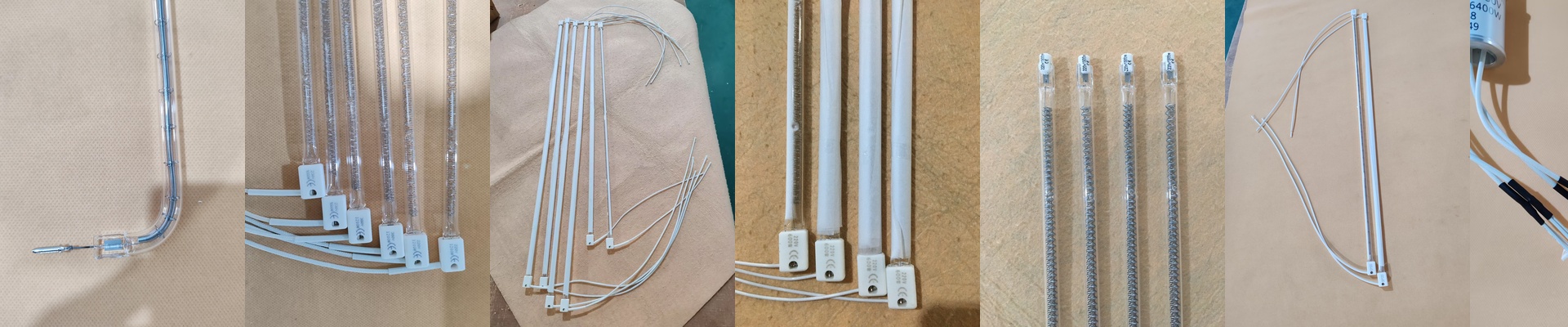
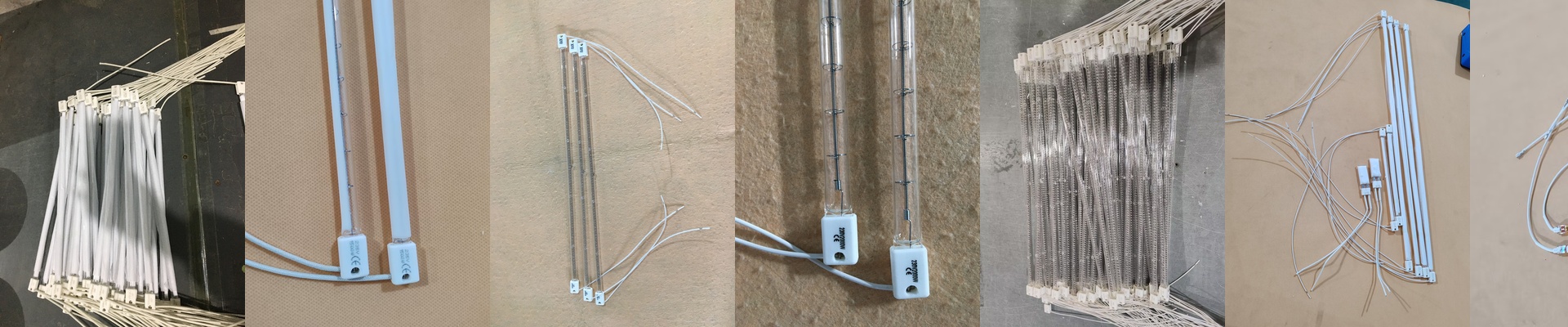
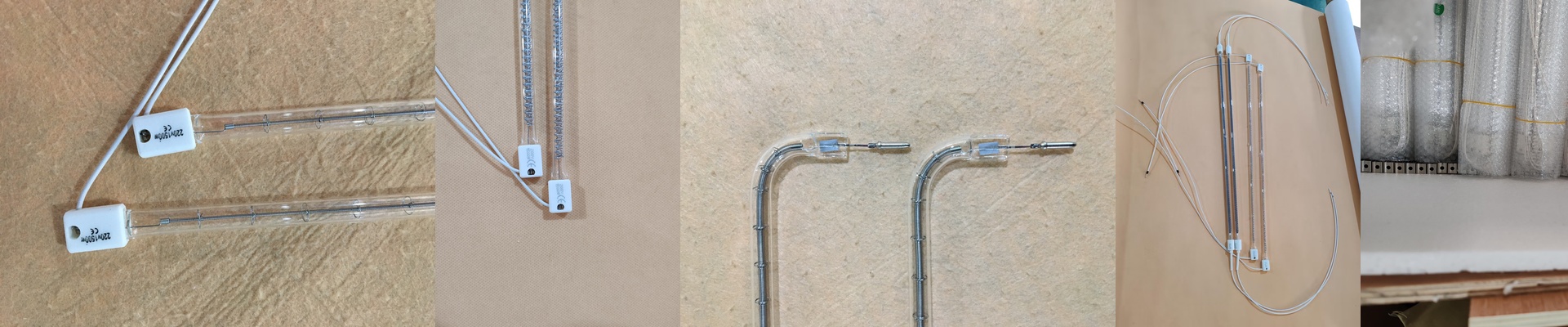
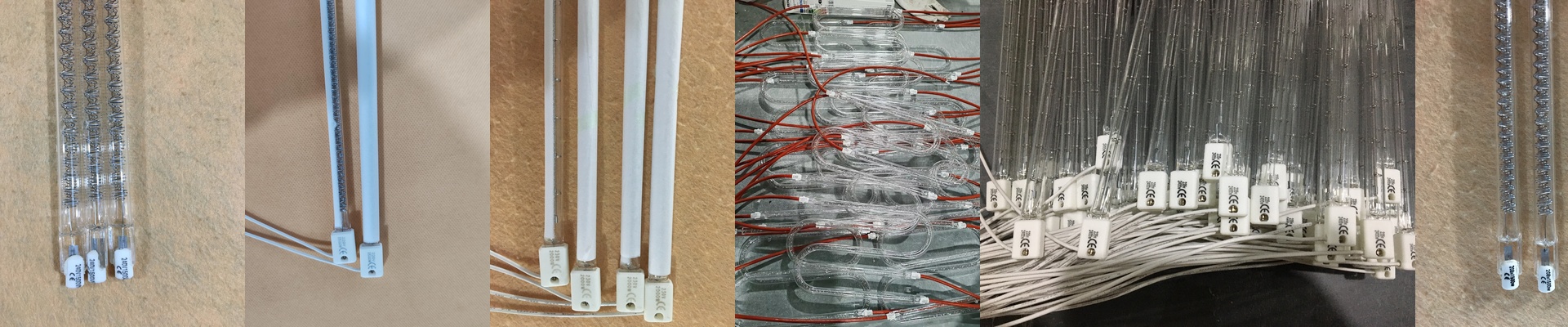
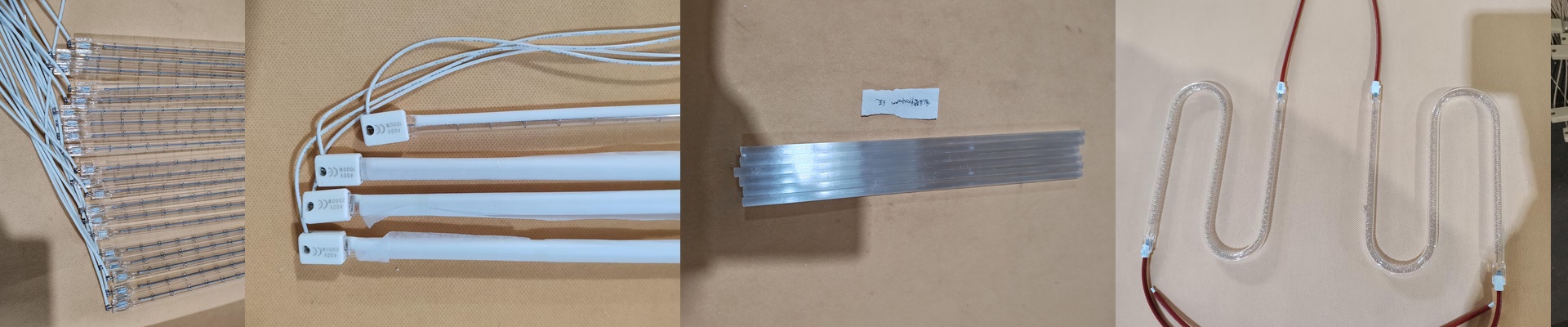
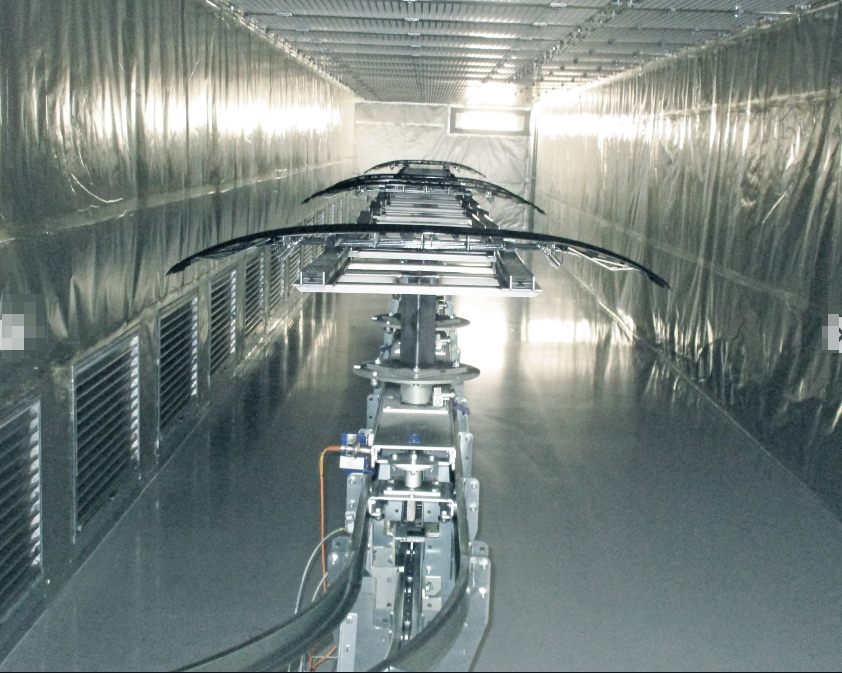
In powder coating, getting the temperature exactly right is everything. If your heat is all over the place, your curing gets uneven and your scrap pile grows. It’s that simple. We use high-output shortwave IR lamps because they hit the coating directly. They don’t waste time heating up the air around them, which means you get moving faster. But there’s a catch. When you cram that much power into a small space, it puts a ton of stress on the quartz.**Keep your reflectors clean.**If they’re dirty, the heat bounces right back into the lamp ends and pops them.
Building Things That Actually Last
We’ve found that the little things usually cause the big headaches. Take the sockets, for example. A loose fit leads to arcing, and arcing fries your lamp. We use tight-tolerance connectors because they just work. No wiggle room, no sparks. Then there’s the “drift.” Cheap lamps lose their temperature consistency over time. Suddenly, you’re spending half your shift tuning the oven instead of actually producing parts. That’s just wasted labor.
Finding the Sweet Spot
Here’s the thing: you can push a lamp to its absolute limit to cure parts faster, but you’re basically trading lifespan for speed. If you’re running 24/7 at 100% capacity, that tungsten filament is going to wear out faster. It’s just physics. We recommend a balanced power setting so you aren’t replacing lamps every other week. And please, get your voltage regulation sorted. Spiking your lamps is the fastest way to kill them.