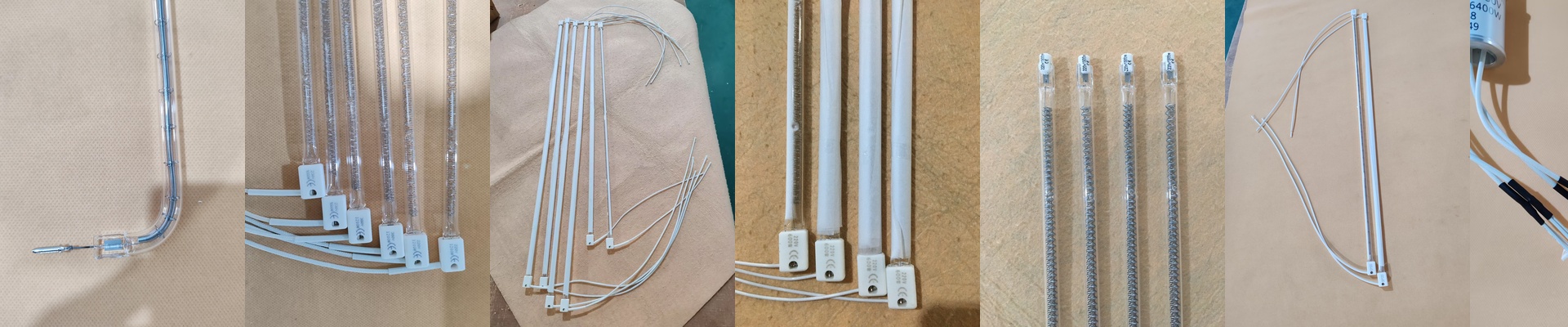
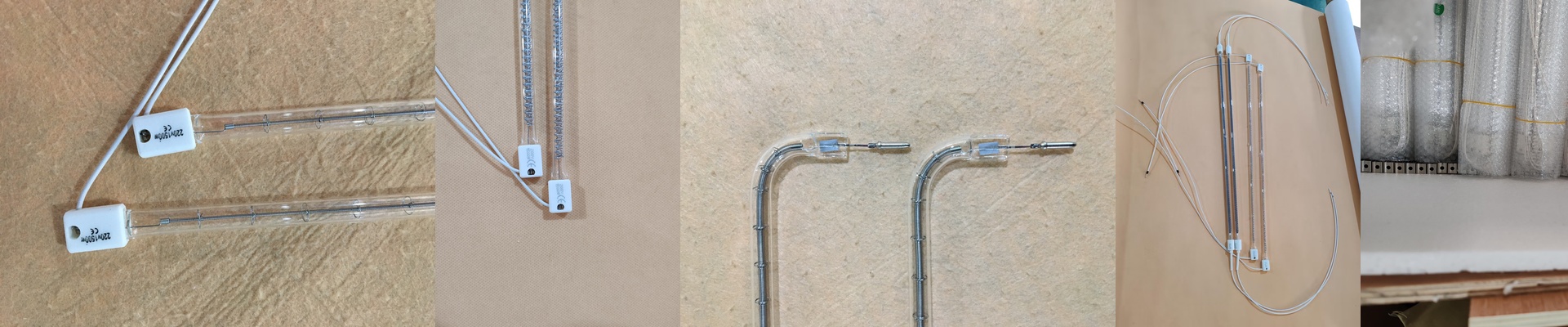
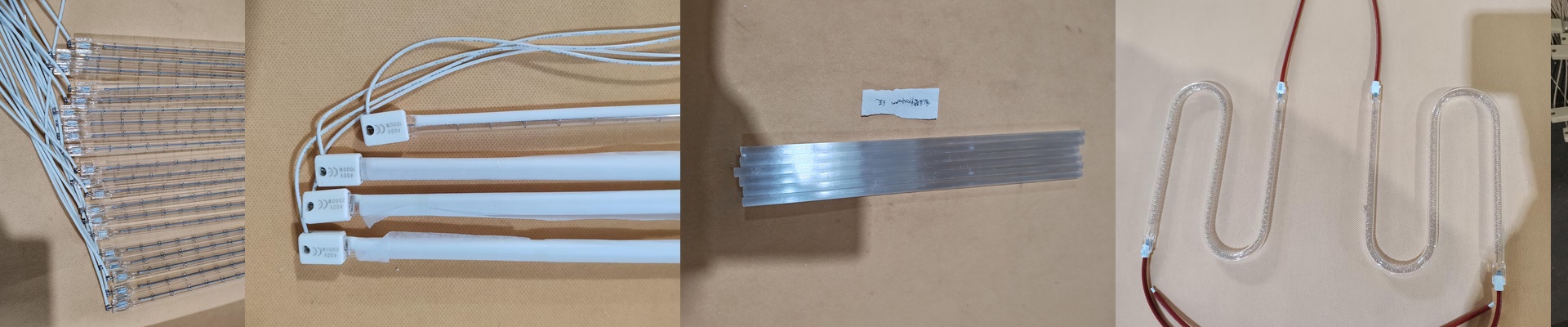
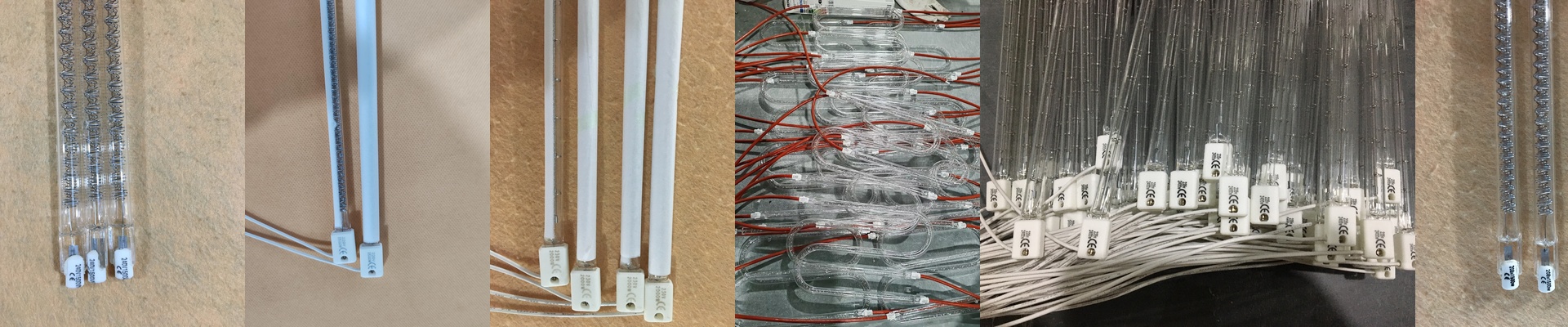
It’s More Than Just a Heat Lamp
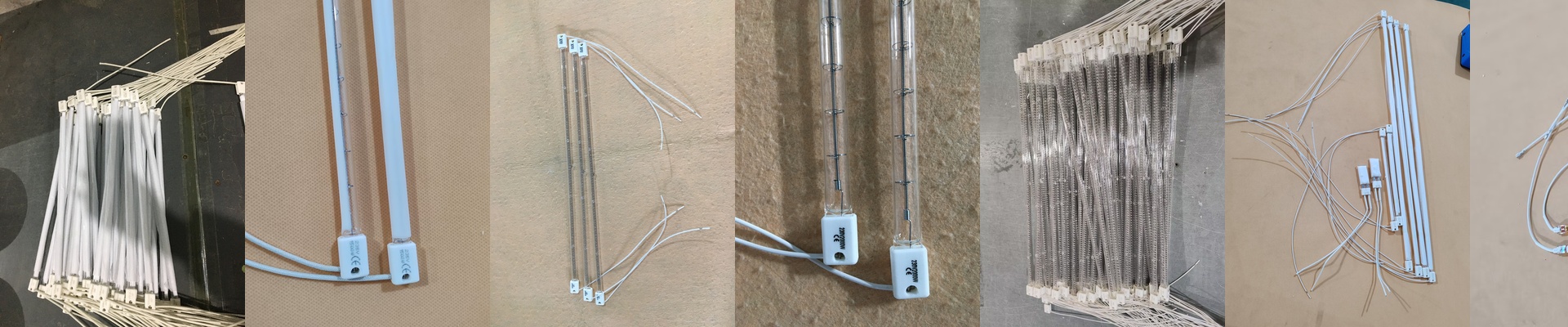
Most people look at a fabric lamp and see a basic heater. But if you’ve ever run a production line, you know it’s actually a precision tool. In the textile world, a few degrees of difference across a roll of fabric is the gap between a perfect shipment and a pile of expensive scrap.
The Trick to Getting the Heat Right
It’s all about how the heat actually hits the fabric. We don’t just blast wattage and hope for the best. We calibrate the wavelength to match the specific fiber you’re using. Synthetic polyester and organic cotton don’t drink up energy the same way. If the heat is too intense, you’re burning the edges. Too low? The dyes just won’t stick. It’s a delicate balance.
Saving Money (and the Planet)
When people talk about “green” textiles, they usually talk about recycled yarn. That’s great, but there’s another side to it: the energy used to dry and cure the fabric. We use short-wave infrared technology. Instead of wasting energy heating up all the air in the room, we aim the heat directly at the material. It’s cleaner, faster, and way less wasteful. And here’s the real win:consistency. There’s nothing more frustrating than a lamp that starts drifting after 500 hours, forcing you to constantly tweak your line speed just to keep things stable. We build ours to hold a tight temperature for thousands of hours. You stop worrying about the equipment and start focusing on the output.
The Trade-off
Now, let’s be honest. High-intensity heat comes with a catch. To get those rapid ramp-up times for high-speed lines, the lamp housing gets incredibly hot. You can’t just slide a high-output lamp into an old, dusty rig and expect it to work. If your cooling fans or heat sinks aren’t up to the task, you’ll end up baking your own controllers. It’s a powerful tool, but you’ve got to give it room to breathe.