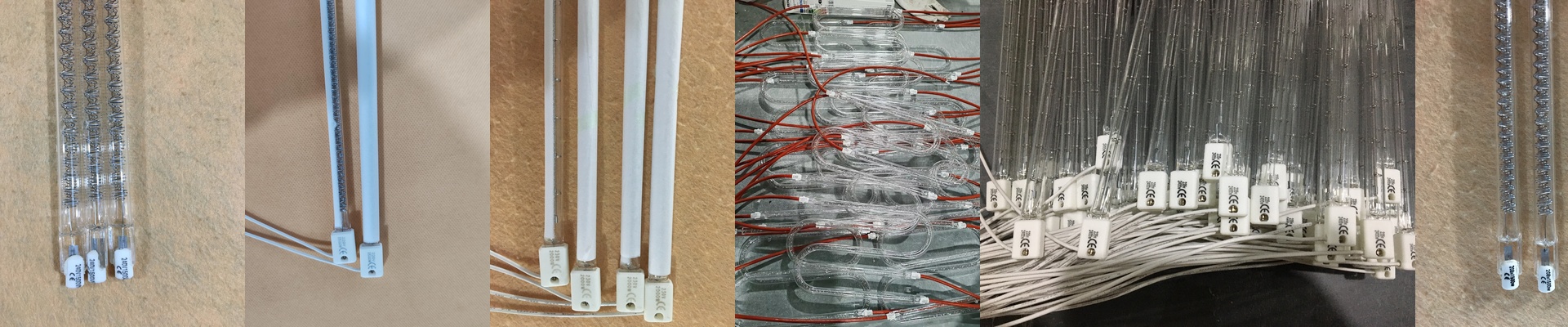
Let’s Talk About Halogen Heating Tubes
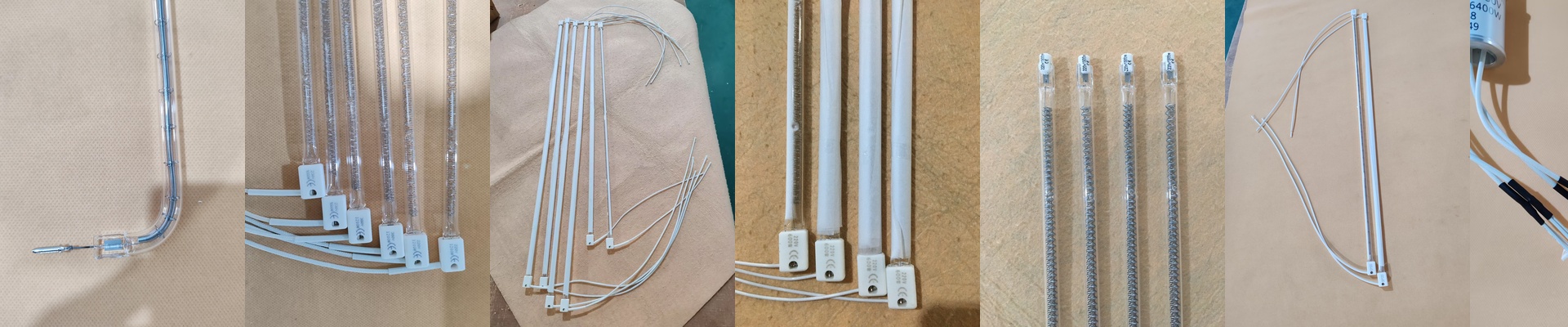
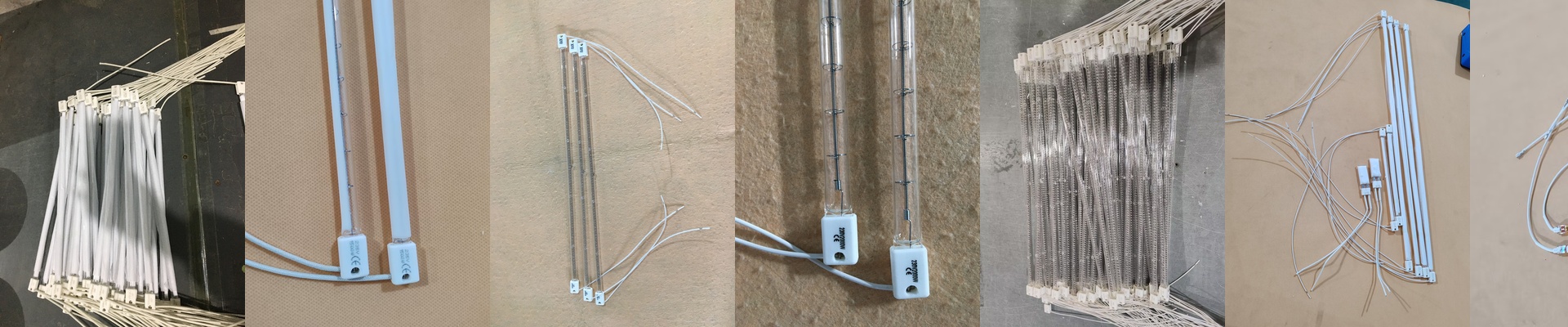
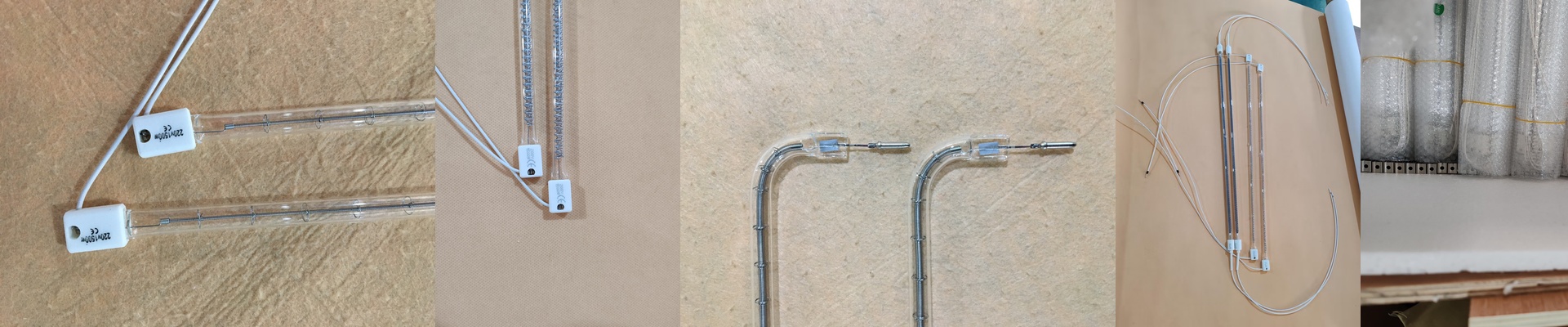
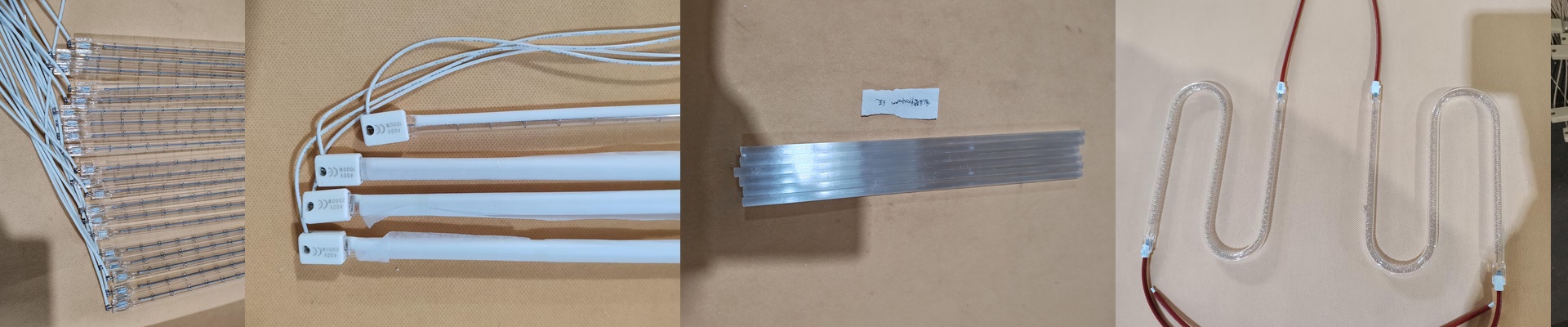
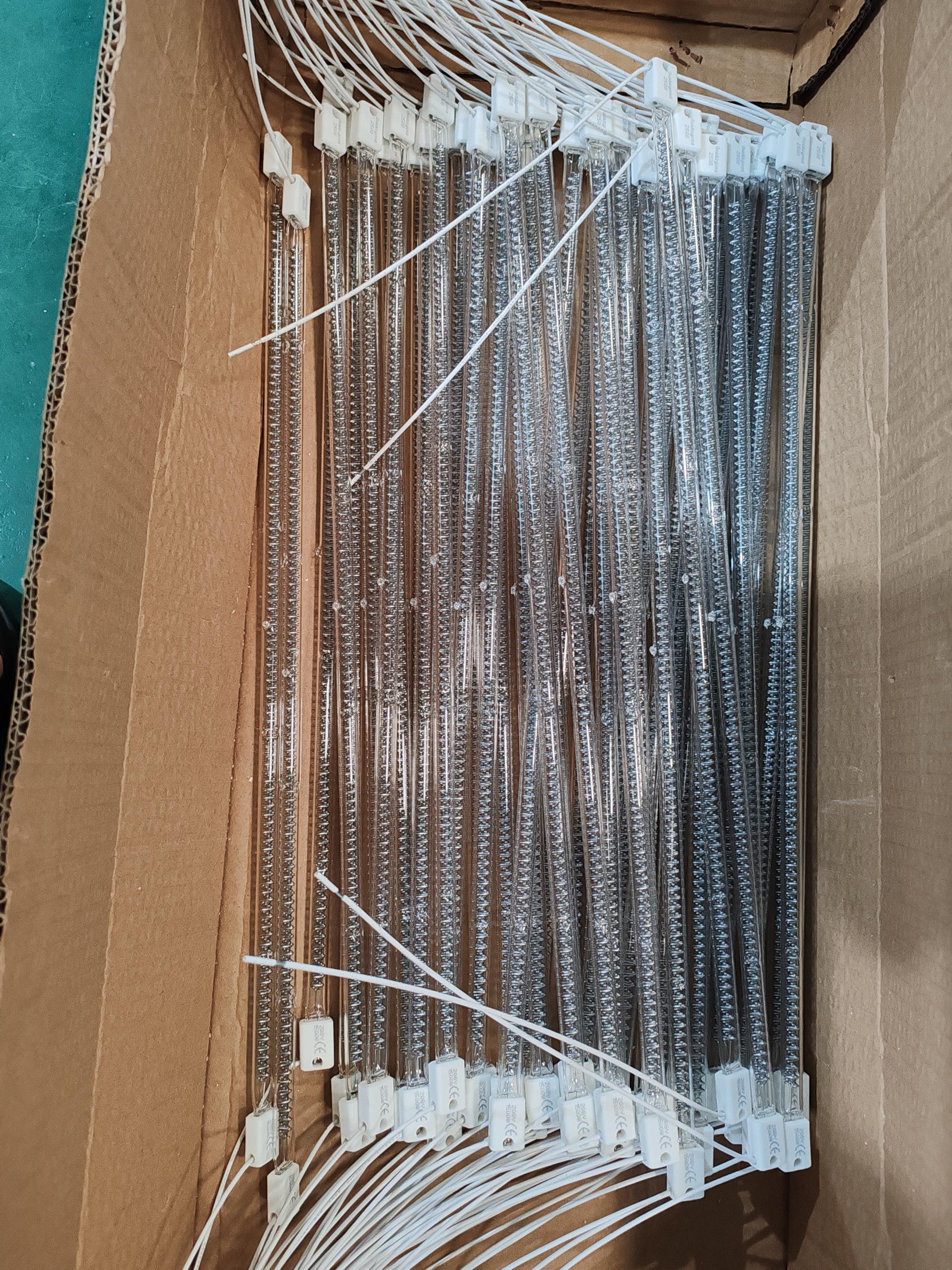
Ever wonder why some ovens heat up in a blink while others take forever? It all comes down to the heating tube. We build ours using a tungsten filament tucked inside high-purity quartz glass and filled with a specific halogen gas mix. Here’s the secret: that gas lets the filament get incredibly hot without just evaporating away. This pushes the heat into shorter wavelengths, meaning it doesn’t just warm the air—it punches right into the material you’re trying to heat. It’s fast. Really fast. Getting the Power Right Depending on what you’re building, you’ll need a specific amount of heat per inch. If you go with higher voltage—think 230V or 400V—you’re basically packing more heat into a smaller space. But a word of caution here. If you’re using a short tube with high wattage, you’ve got a very concentrated heat zone. Just make sure your wiring and power supply can handle that initial “kick” when you flip the switch. And keep your voltage steady. If it bounces around, your filament is going to burn out a lot sooner than it should. The Glass and the Fit We stick with quartz for the outer shell because it doesn’t crack when the temperature swings wildly. Sometimes, depending on where the tube is sitting in your oven, we can add a coating to the glass to change how the heat hits your product or just to keep the glass protected. When it comes to plugging them in, we use R7s and SK15 connectors. They’re the gold standard for a reason. You can just pop a new tube in without having to tear apart your entire wiring harness. Plus, they grip the tube tightly, so it won’t rattle loose if your machinery vibrates. The Trade-off The speed is amazing—perfect for things like PET blowing or quick-curing—but that intensity has a price. All that heat can be brutal on your oven’s housing and reflectors. You’ve got to be smart about your cooling fans and heat shields, or you’ll end up melting things you didn’t mean to. One last tip: keep your reflectors clean. If they get dusty or pitted, you’re wasting a huge chunk of that infrared energy. The tube then has to work twice as hard to do the same job, which kills the lifespan of the bulb. Keep it shiny, and your tubes will last much longer.