The Real Deal on Outdoor Halogen Heaters
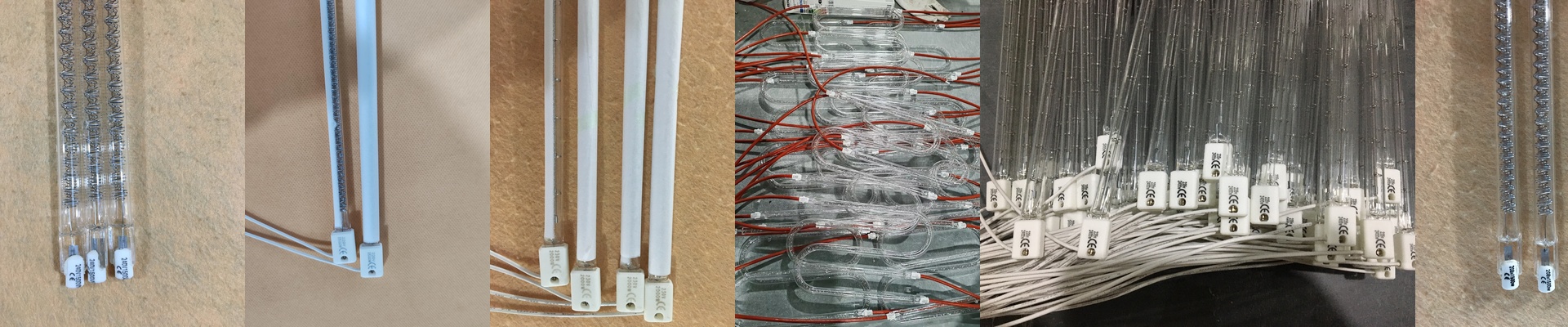
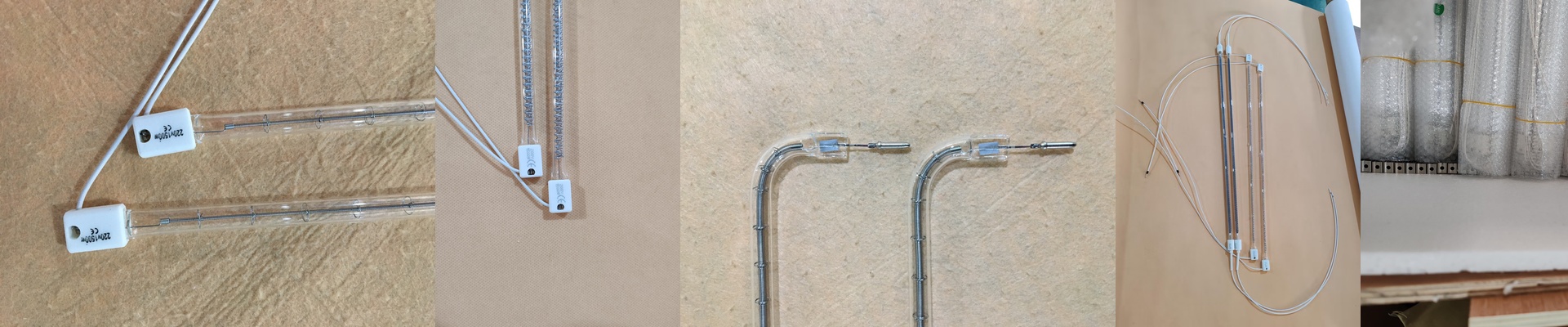
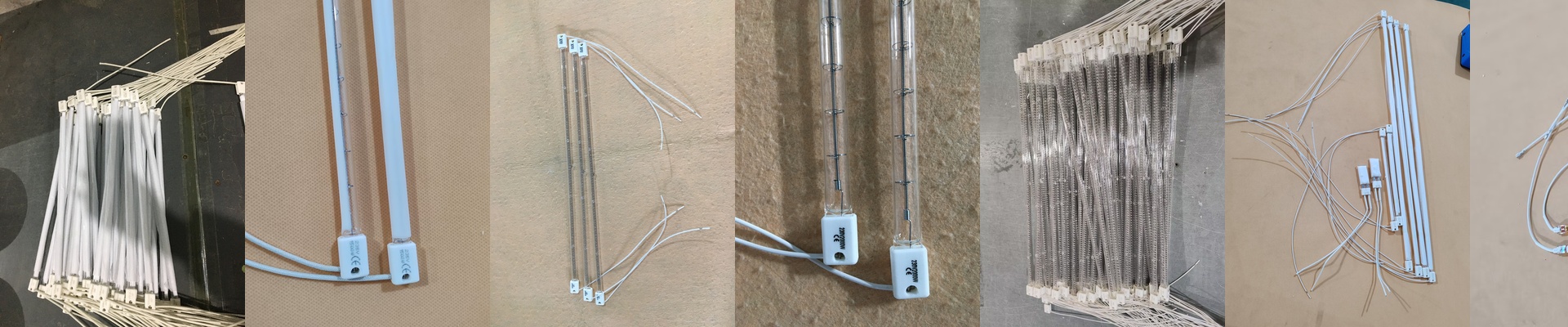
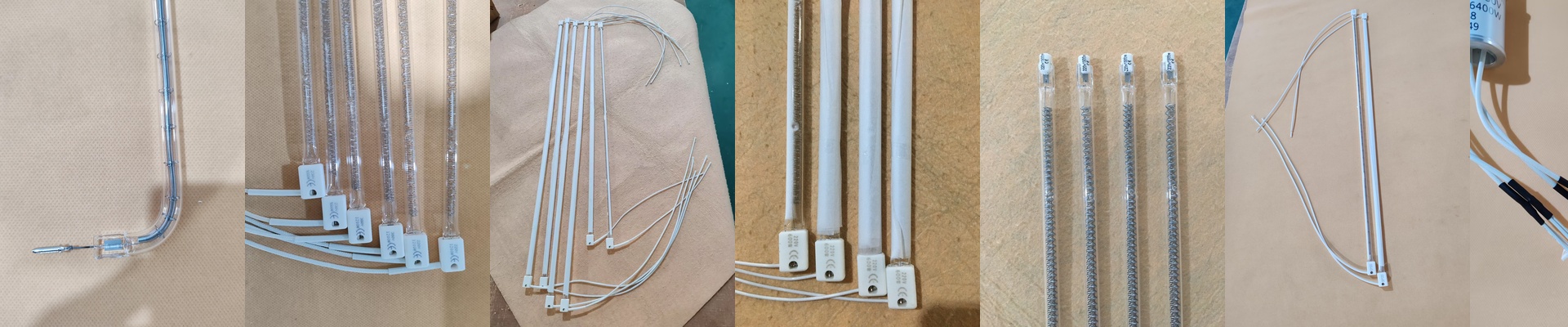
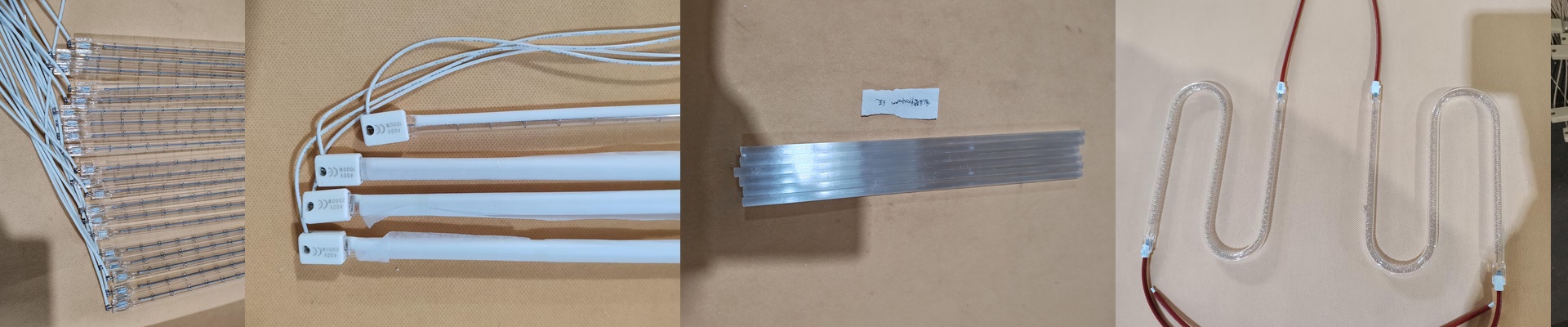
Here is the thing about halogen heaters: they don’t bother trying to warm up the air. If you’ve ever used a standard space heater on a windy patio, you know the wind just steals the heat before it even reaches you. Halogens are different. They use shortwave infrared radiation, which basically means they beam heat directly onto your skin and clothes. It feels like standing in the sun on a crisp October morning. To make this happen, we put a tungsten filament inside a high-purity quartz tube and fill it with a specific halogen gas. That gas is the secret sauce—it keeps the filament from evaporating, so the lamp lasts way longer.
Getting the Power Right
When it comes to wattage and voltage, you can’t just wing it. You need enough power to fight off the wind chill. If the wattage is too low, you’re just staring at a glowing tube while you’re still shivering. But you’ve got to match that power to your local grid—whether that’s 110V, 230V, or the heavy-duty 400V industrial stuff. If you get this wrong, you’ll burn out your lamps in no time. Also, keep in mind that high-wattage tubes getinsanely hot. We make sure the housing and brackets can take that heat without warping or sagging.
The Hardware Stuff
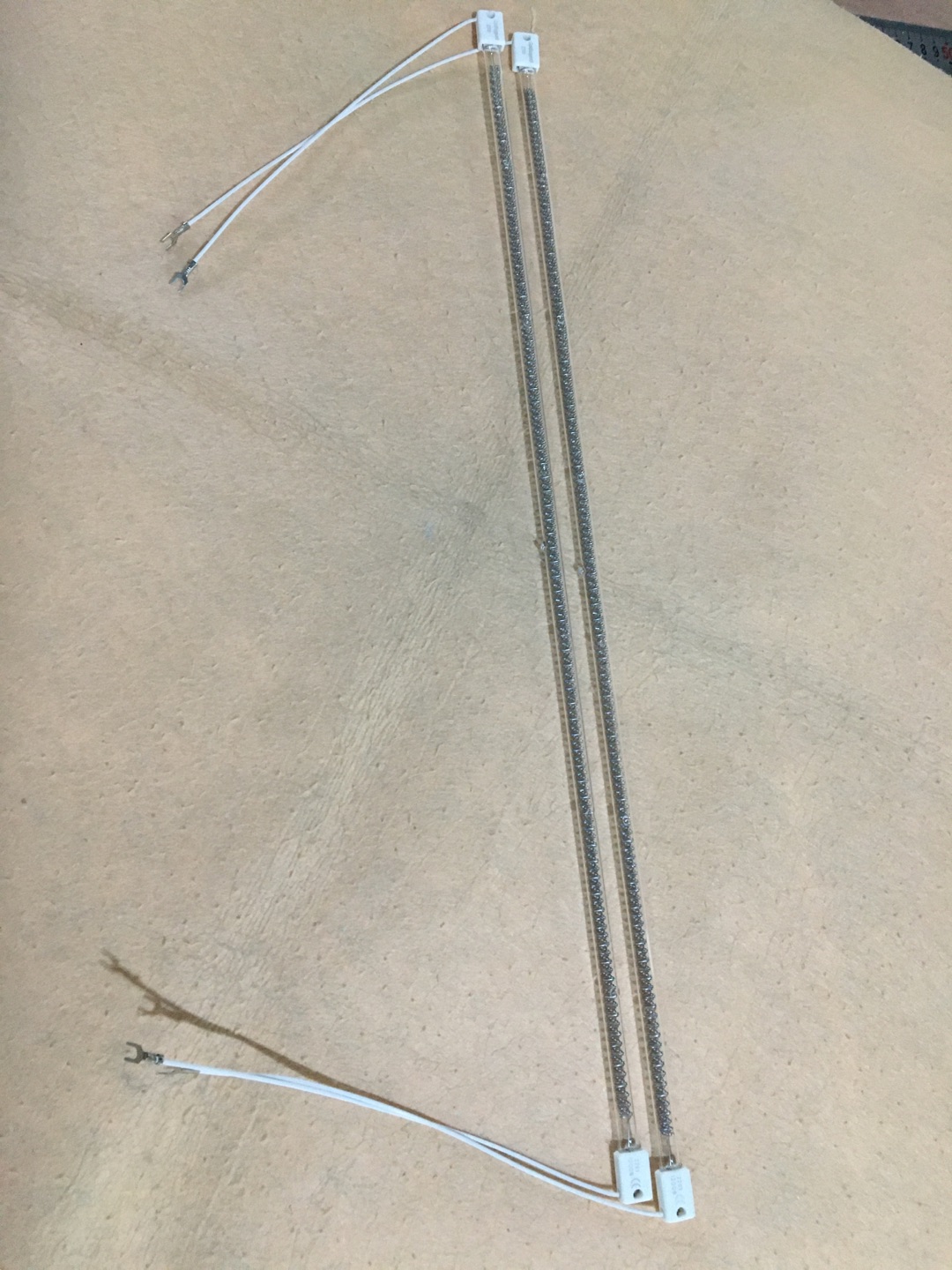
We stick with quartz glass because it doesn’t crack when the temperature jumps from freezing to scorching in a split second. Some of our tubes even have special coatings to tweak the light or add a layer of protection. Then there are the connectors. We usually go with R7s or SK15 bases. Why? Because they’re the industry standard. They slide right in and seat firmly, which means you don’t have to worry about electrical arcing or loose connections.
Making it Work in the Real World
The best part? These things are instant. You flip a switch, and you’re warm. No waiting around for a coil to heat up. You can hook them up to a simple thermostat or a PWM controller if you want to be fancy with the temperature. One quick tip: remember that this heat is directional. It travels in a straight line. If you mount the lamps too high, the heat disappears before it ever hits your guests. You have to find that sweet spot between how high you hang them and how much wattage you’re using. Oh, and give the tubes some breathing room. If you block the ventilation, the heat builds up too much and the glass can actually fail. Keep it airy, and you’re good to go.