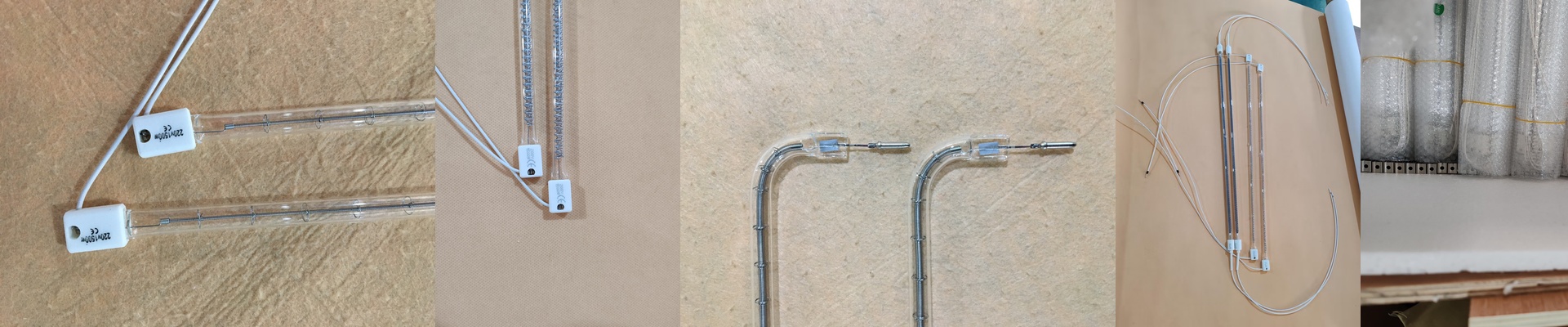
Getting the Most Out of Your Bruckner IR Systems
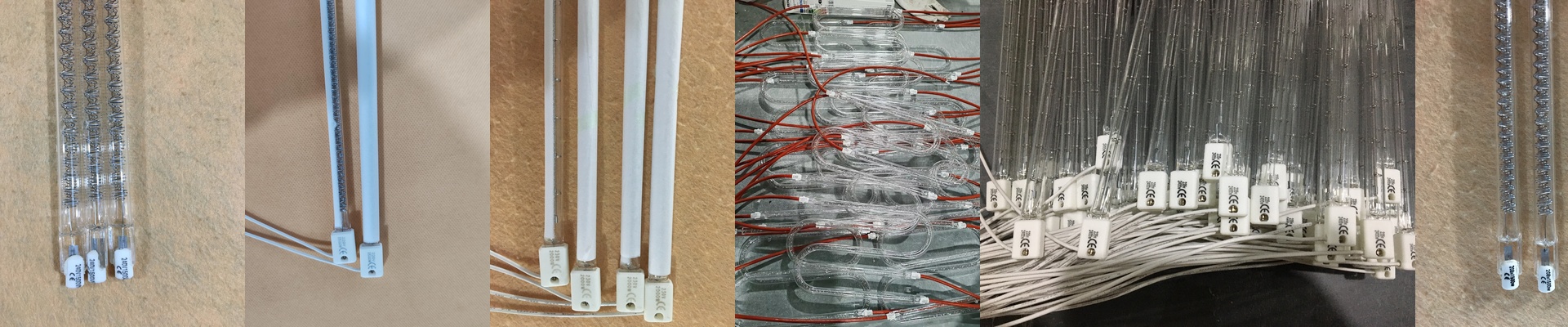
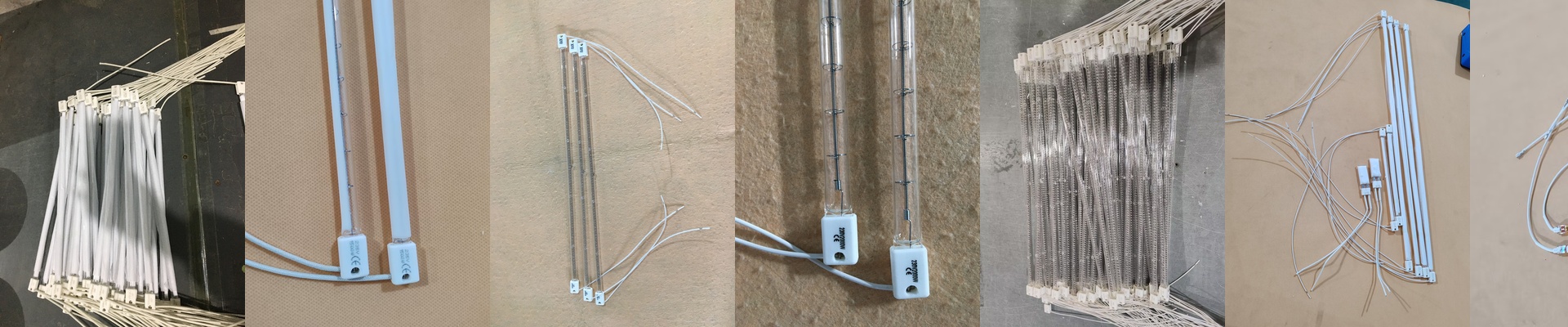
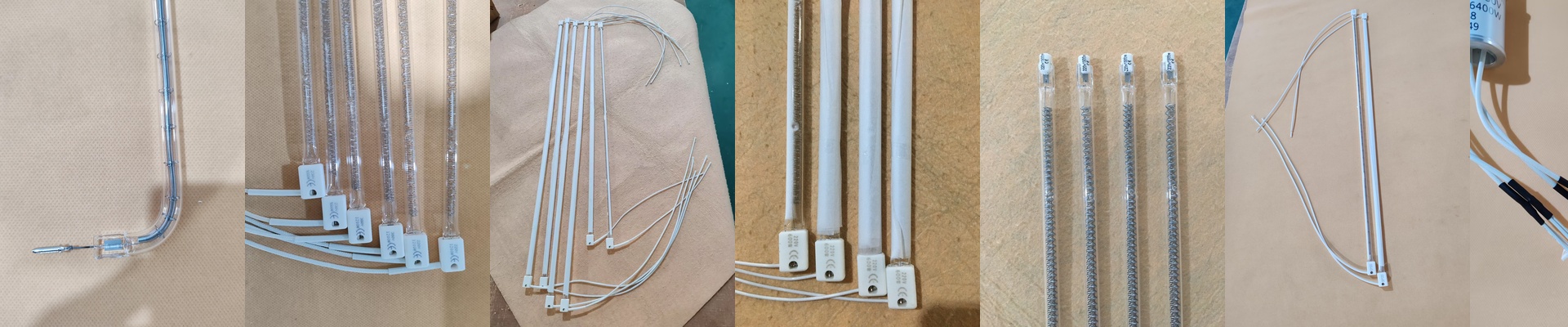
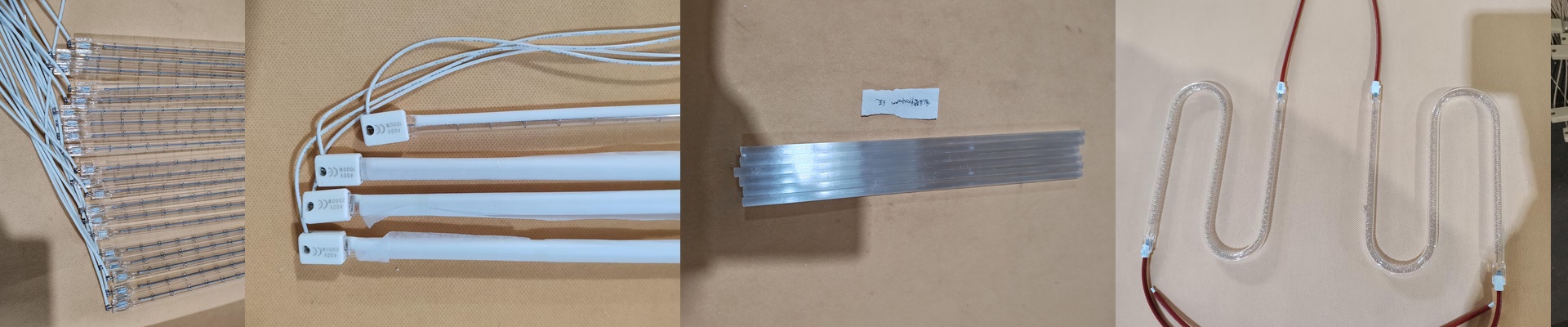
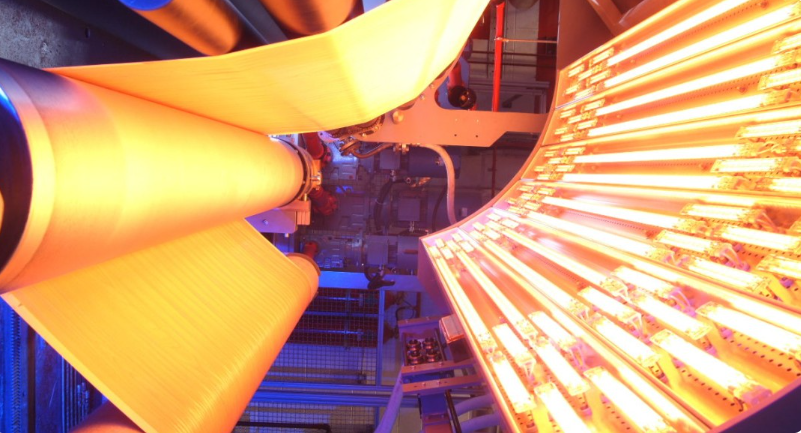
If you’re running Bruckner curing or drying lines, you know that getting the heat just right is everything. If the energy density is off, your throughput tanks and your materials don’t cure properly. It’s a headache. That’s why we build our shortwave IR lamps as simple drop-in replacements. We don’t just guess at the specs; we focus on the exact spectral match needed to actually get through industrial coatings and polymers, rather than just heating the surface.
The Deal with Power and Voltage
To get the same punch as the original gear, we lean into high wattage and specific voltage ratios. Here’s the trick: a high-voltage setup lets us use a thinner filament. That shifts the emission toward the shortwave range, which means your materials heat up faster and the energy sinks deeper into the substrate. But a quick heads-up—check your power supply and cabling. If they aren’t rated for the wattage of the new tube, you’re looking at a premature burnout. Not a fun way to spend a Tuesday.
Quartz and the Heat Struggle
These lamps face some brutal thermal swings. To stop them from warping or failing, we use high-purity quartz glass. You can go with clear tubes, or you can get the coated ones. We usually recommend coated—they bounce the energy forward, pushing more heat onto your product and keeping your rear reflector safe. And please, double-check your connectors (usually R7s or Sk15). They need to be snug. A loose fit creates a hotspot, and before you know it, you’ve melted your socket.
Real-World Installation
These lamps pack a massive amount of heat into a tiny space. Because of that, your cooling fans and exhaust systems have to be working perfectly. If your airflow is choked, the lamp temperature will spike, and your filament will die way sooner than it should. We build these to hit the same performance marks as the big-name brands, so you get a steady, reliable thermal profile from one end of the tube to the other.